
1. How Is Resource Allocation Handled?
One of the most important features of a VDS server is the resources assigned to you. Understand exactly how much CPU, RAM and storage you can use and whether those resources are exclusively reserved or shared among multiple customers. Ask providers whether allocations are guaranteed or burstable, and whether I/O limits, CPU cores, or memory are isolated per instance. Clear knowledge of resource allocation helps prevent unexpected performance bottlenecks and ensures predictable operation for web services, databases, or applications running on your VDS server.
2. What Is the Hardware Infrastructure and Performance Like?
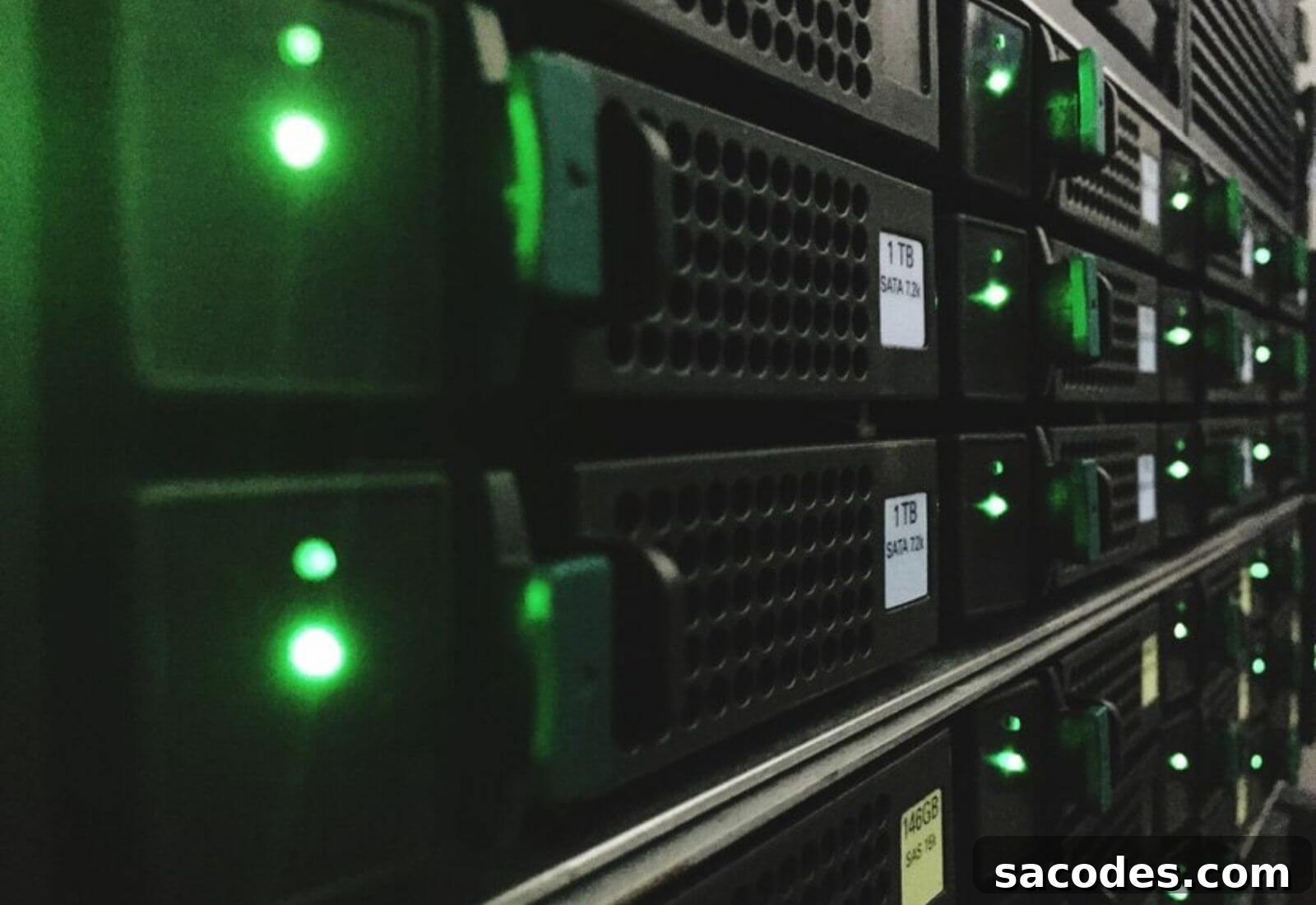
The performance of a VDS is closely tied to the underlying hardware. Prefer providers using modern, reliable components—especially SSD drives, which offer faster data access and lower latency than traditional disks. High-performance CPUs and sufficient memory capacity are also crucial for responsive services. Request details about the server generation, storage type (NVMe vs SATA SSD), and any virtualization technology used, and if possible, review benchmark results or independent performance tests to verify claims.
3. What Backup and Data Recovery Options Are Available?
Data loss presents a major risk for any business. Learn about the provider’s backup and data recovery procedures: are automated backups included, how frequently are backups taken, and where are backup copies stored? Verify the retention period and how quickly you can restore data in case of an incident. A reliable backup policy and clear recovery steps will protect your applications and minimize downtime in real-world scenarios.
4. What Security Measures and Certifications Are in Place?
Security is a critical factor when choosing a VDS server. Ask what physical and network-level protections the provider offers and whether they hold recognized certifications or compliance attestations. Ensure basic defenses such as DDoS protection, configurable firewalls, and support for SSL certificates are available. Also inquire about patching policies, intrusion detection, and access controls to understand how the provider helps keep your server and data secure.
5. What Is Technical Support Like and What Does the SLA Specify?
Reliable technical support is essential for resolving issues quickly. Confirm whether support is available 24/7, through which channels (ticket, phone, chat), and typical response and resolution times. Review the SLA (Service Level Agreement) carefully to learn what uptime guarantees, compensation policies, and maintenance windows the provider commits to. A clear SLA helps set expectations and reduces risk from prolonged outages.
6. What Scalability Options Are Offered?
As your needs grow, it should be straightforward to add resources. Evaluate the provider’s scalability options: can you increase CPU, RAM or storage quickly and without long downtime? Check whether scaling is automated or manual and if vertical scaling (bigger instance) or horizontal scaling (additional instances) is supported. Flexible, fast scaling ensures your VDS server can adapt to traffic spikes and business growth.
7. Pricing and Hidden Costs
Cost is a major consideration when selecting a VDS server. Study the pricing model carefully and ask about potential hidden costs. Common extra charges include bandwidth overage fees, costs for additional backups, premium support, or extra IP addresses. Compare total cost of ownership across providers, considering both base prices and likely additional fees for the features you need.
8. User Reviews and References
Checking user reviews and customer references helps you verify service quality and reliability. Read independent reviews, forum discussions, and testimonials to gather insight into real customer experiences. Pay attention to repeated comments about support responsiveness, performance consistency, and any issues with billing or unexpected downtime.
9. Data Center Location
The data center location affects latency, legal jurisdiction, and sometimes compliance requirements. Choose a data center close to your target audience for lower latency and better user experience. Also ask about physical security, redundancy, power backup, and network connectivity to ensure the facility meets your expectations for reliability and data protection.
10. Trial Period and Refund Policy
A generous trial period and a clear refund policy let you evaluate a VDS offering without undue risk. Confirm whether a trial gives access to all features, how long the trial lasts, and what refund options exist if the service does not meet your needs. Being able to test the environment under realistic conditions helps you make a confident decision.
Asking the questions above will guide you toward choosing the right VDS server provider. With careful research and by matching provider capabilities to your technical and business requirements, you can secure a VDS solution that delivers the performance, security, and scalability you need. The right choice of VDS server can play a decisive role in the stability and growth of your online services.