

In the unusual circumstances we find ourselves in, it’s no surprise that the online gaming industry is holding steady. Even before these conditions began, around 2.5 billion people worldwide were playing online games.1 In recent months, as people seek ways to spend time at home and socialize safely, many have turned even more to the world of online games.
In the first quarter of 2020 global mobile downloads increased by 15%, and since March mobile game downloads rose 30% compared with the previous quarter. In addition, a recent global study we conducted with Savanta into mobile players’ purchasing behavior showed that 36% of smartphone players expect to spend more time in gaming apps over the next year.2
My own path in this field began when I entered the mobile games industry in 2009. Since then I’ve worked across a wide range of genres. Today’s players come with diverse expectations and demands: for example, 44% of gamers want more innovative experiences, while 39% prefer simpler, faster games.3
Fortunately, modern game development tools have made building games easier than ever. That also means competition is fiercer than ever—and it might be time for your next game project. The pre-development phase is the first and most critical period to ensure you appeal to players. No matter how well you plan, without getting this stage right your game may struggle in the market. Below are six practical tips to consider before you start full development.
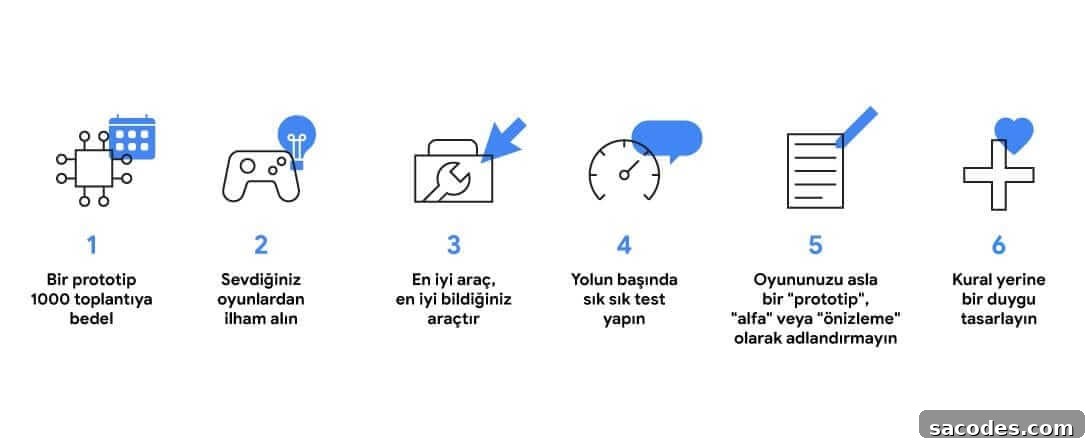
- A prototype is worth a thousand meetings. I’ve seen even the most creative teams spend months arguing over mechanics and features without reaching consensus. Executive and creative teams can return from week-long brainstorming sessions saying, “We couldn’t come up with anything.” Instead of trying to find the perfect solution on the first try, be prepared to fail fast and begin building playable prototypes as soon as possible. A fun game isn’t the idea that wins the most votes in a meeting; it’s the prototype that everyone keeps playing a week later.
- Take inspiration from games you love. One of my biggest sources of inspiration during prototyping came from a talk given a few years ago at the Game Developers Conference by Slime Rancher’s game director, Nick Popovich. You don’t have to start from scratch when searching for a new game idea—but you also don’t want to copy an existing title. Start with mechanics you enjoy from other games, then add your own twist to make the experience truly yours. Popovich’s advice: “Base your design on two existing mechanics and one mechanic that’s uniquely yours.” That strategy has served me well.
- The best tool is the tool you know best. Paper prototypes are useful, but if you truly understand the game in your head, don’t be afraid to use the tools you already know. Don’t fall into the trap of thinking “I need to learn this specific tool to be good at prototyping.” Some of my best prototypes were written in more demanding languages like C++, while others used the same engine as my latest release. Use the tool you’re most comfortable with to iterate quickly.
- Test frequently from the start. There are countless reasons teams hold back from sharing an early build: “It’s not fun yet,” “Players won’t understand until it’s finished,” or even “Management will cancel the project if they see it now.” In many cases, builds that are labeled “bad prototypes” are simply untested; they hide weak mechanics or a fragile core loop that should never reach production. Test often, learn on the way, and iterate based on player feedback.
- Never label your game a “prototype,” “alpha,” or “preview.” Don’t tell testers how far the game is from completion—treat each test as though the title will be live tomorrow. You don’t want testers thinking, “Oh, it’s just a prototype—of course that bug is there.” Always present your build as a real experience to get honest reactions and avoid excuses that mask real problems.
- Design for emotion, not only for rules. Many designers fall in love with systems and want detailed tables and instructions for every possible action. But initial designs that focus strictly on rules rarely survive player testing and can stifle implementers’ creativity. Instead, illustrate the feeling you want players to experience and communicate that emotion to the design and production team. When the team understands the intended emotional arc, they can make better decisions about mechanics and polish.
A fun game isn’t the idea that wins the most votes in a meeting; it’s the prototype that everyone keeps playing a week later.
For game marketers to best serve a growing audience, it’s crucial they understand how a game is made and participate early in the process so they can identify the right channels and messages to reach players. As with any industry, keeping a finger on changing consumer needs is essential.
Of course, these tips are only the beginning of creating a great game. Once you find your core loop, you’ll need to work hard, experiment, learn from players, and—yes—hope for a bit of luck. I believe focusing on the right areas during the development phase will dramatically improve your chances of success and help bring that luck closer to your side.
Source: https://www.thinkwithgoogle.com/intl/tr-tr/pazarlama-stratejileri/uygulama-ve-mobil/oyun-stratejileri-harika-bir-oyun-gelistirmek-icin-alti-ipucu/