
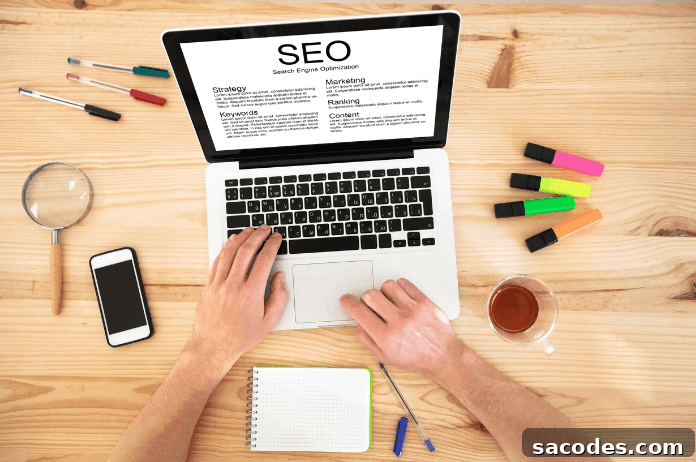
With the rise of the digital age, websites have become an essential platform for brands. However, merely having a site doesn’t guarantee success. To increase traffic and attract more visitors from search engines, On Page SEO (page-level optimization) plays a crucial role in improving visibility and driving organic growth.
What Is On Page SEO?
On Page SEO refers to the set of optimizations applied directly on web pages to improve their ranking in search engine results. A solid On Page SEO strategy helps pages become more visible in search engines, increases relevant traffic, and enhances the overall user experience.
How to Do On Page SEO: Key Components
Effective On Page SEO involves optimizing several on-site elements. Below are the main components you should focus on.
Title Tags
The title tag is a concise piece of text that describes a page’s content. It appears in browser tabs and search engine results pages (SERPs). A clear, compelling title that naturally includes the target keyword helps both search engines and users understand the page topic and encourages click-throughs.
Meta Descriptions
Meta descriptions are short summaries shown on SERPs below the title. While not a direct ranking factor, well-crafted meta descriptions improve click-through rate by giving potential visitors a clear preview of the page content.
URL Structure
URLs should be short, descriptive, and relevant to the page content. Including a target keyword in the URL can benefit SEO and helps users quickly grasp the page subject.
Internal Linking
Internal links connect related pages within your website. A smart internal linking strategy helps users discover more content, distributes page authority, and aids search engines in crawling and indexing your site more effectively.
Keyword Usage and Density
Using relevant keywords in headings, body text, and meta tags is important, but avoid keyword stuffing. Aim for natural, helpful content that satisfies user intent. Focus on variations and long-tail keywords to cover related search queries.
Mobile Compatibility
Mobile-friendly design is essential for both user experience and search rankings. Responsive layouts, readable text, and easily tappable elements ensure your site works well on phones and tablets.
Page Speed
Load time affects both user satisfaction and SEO. Faster pages reduce bounce rates and improve conversions. Optimize images, leverage browser caching, and minimize render-blocking resources to improve speed.
Image Optimization
Images enhance user engagement but must be optimized. Use appropriately sized images, compressed formats, descriptive filenames, and alt attributes. Alt text helps accessibility and gives search engines context about the visual content.
Benefits of On Page SEO
- Higher Search Rankings: Proper On Page SEO—optimized title tags, meta descriptions, and quality content—signals relevance and authority to search engines, which can lead to improved positions in SERPs.
- Increased Organic Traffic: Higher rankings typically bring more clicks from organic search, attracting visitors actively searching for information, products, or services.
- Better User Experience: On Page SEO improves usability through mobile responsiveness, clear structure, and faster load times, encouraging users to stay longer and interact more.
- Higher Conversion Rates: When visitors find relevant content quickly and pages are well-structured, conversion rates often improve because user intent is met more effectively.
- Stronger Brand Visibility: Better visibility in search results helps increase brand recognition and trust among a wider audience.
- Competitive Advantage: A strong On Page SEO approach can set you apart from competitors who neglect page-level optimization.
- Long-Term Value: Fundamental On Page optimizations tend to deliver lasting benefits, though regular updates and refinements are still necessary.
Keyword Research
Keyword research is a cornerstone of SEO and content strategy. It identifies the terms and phrases your audience uses in search engines, enabling you to create content that matches user intent and ranks well. Good keyword research helps improve search positions, attract qualified traffic, and shape content that serves the audience effectively.
How to Conduct Keyword Research
- Know Your Audience: Understand the interests, problems, and needs of your target users. This insight guides keyword ideas and content topics.
- Brainstorm Topics: List relevant subjects and potential search queries. Capture all ideas at this stage to expand on later with tools.
- Use Research Tools: Leverage keyword tools to find related terms, search volumes, and difficulty estimates. These tools help prioritize keywords based on potential impact.
- Consider Search Volume: Monthly search volume indicates a keyword’s popularity. High-volume keywords are more competitive but can drive significant traffic.
- Assess Competition: Evaluate how difficult it is to rank for a keyword. Targeting niche or long-tail keywords can be more feasible and effective for specific audiences.
- Understand User Intent: Determine whether queries are informational, navigational, or transactional. Align content to the intent—product pages for purchase-focused terms, guides for informational queries, etc.
- Monitor and Refine: Keyword research is ongoing. Track performance, refine your target keywords, and update content to maintain and improve rankings.
Why Keyword Research Matters
- More Relevant Traffic: Targeting the right keywords brings users who are actively searching for your content, products, or services.
- Improved Conversions: When content matches user intent, visitors are more likely to convert—whether that means signing up, purchasing, or engaging.
- Enhanced Brand Visibility: Appearing for relevant search queries helps your brand be discovered by a qualified audience.
Title Tag and Alt Attribute Usage
Title tags and alt attributes are essential HTML elements that support both SEO and accessibility. Title tags help search engines and users identify the main topic of a page, while alt text describes images for users with visual impairments and provides context for search engines.
Title Tag Best Practices
Write concise, descriptive title tags that include the primary keyword without sacrificing readability. Titles should accurately reflect the page content, encourage clicks in SERPs, and remain within recommended length to avoid truncation.
In summary, On Page SEO is vital for maximizing a website’s search performance. A clear focus on titles, meta information, structured content, keyword strategy, page speed, mobile compatibility, and image optimization leads to better rankings, more organic traffic, and improved conversions. Prioritizing these elements will support long-term growth and a stronger online presence.