7 Practical Ways to Lower Your Heating Oil Costs This Winter
Compare suppliers, review pricing plans and reduce heat loss to manage heating oil costs while keeping your home comfortable.
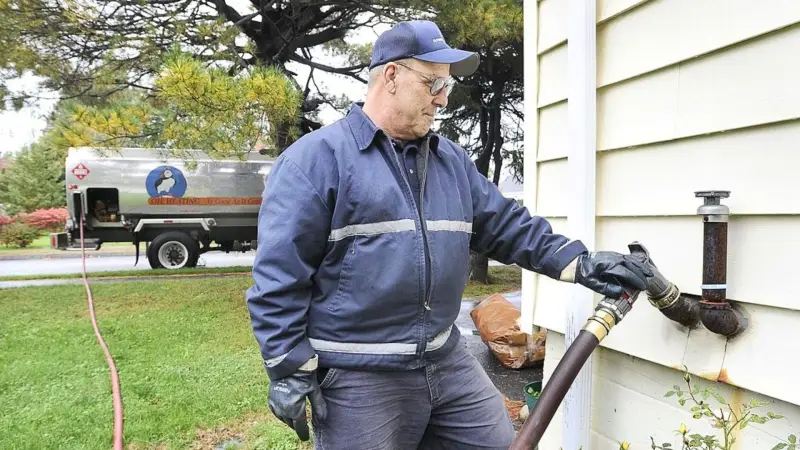
Heating oil can put a big strain on a winter budget because a refill often means paying for a large delivery at once. The National Energy Assistance Directors Association estimates that seasonal bills for households using heating oil could rise by as much as 70%, to approximately $2,977. The final cost will depend on prices, household use and the length of the heating season, but a few practical checks can help you manage what you spend.
Start with choices that affect your next delivery, then look at ways to use less fuel over time. The right mix depends on your household: a pricing plan that brings peace of mind to one family might cost another more, and a thermostat setting that works in one home may not suit every heating system.
Compare prices before ordering

Supplier prices can vary even within the same ZIP code, so a long relationship with one company doesn't guarantee the lowest total bill. Request quotes from at least three local suppliers and compare the price per gallon alongside delivery minimums, fees and any enrollment requirements.
For instance, a 150-gallon order at $3.50 per gallon with no extra charge costs $525. A supplier quoting $3.40 per gallon but adding a $25 delivery fee would charge $535. The lower advertised price doesn't always mean the lower bill.
Ask how long each quote remains available. Prices can change, so a quote may expire before you schedule your delivery.
Choose a pricing plan with its trade-offs in view

A seasonal plan can make bills easier to anticipate, but it doesn't guarantee savings. The main options work differently:
- Fixed price: You pay a set amount per gallon for a specified period. You gain protection if prices rise, but could pay more if they fall.
- Capped price: Your price has a maximum, while you may still benefit from lower market prices. Enrollment or price protection fees may apply.
- Variable price: Your rate changes with market conditions. It could fall, but it can also rise.
If predictable costs matter more than the chance to benefit from falling prices, a fixed rate may suit your budget. If you prefer flexibility and are willing to track prices, a variable plan may be a better fit. Before agreeing to any plan, check cancellation charges, minimum purchase amounts, delivery terms and other fees.
Reconsider automatic delivery
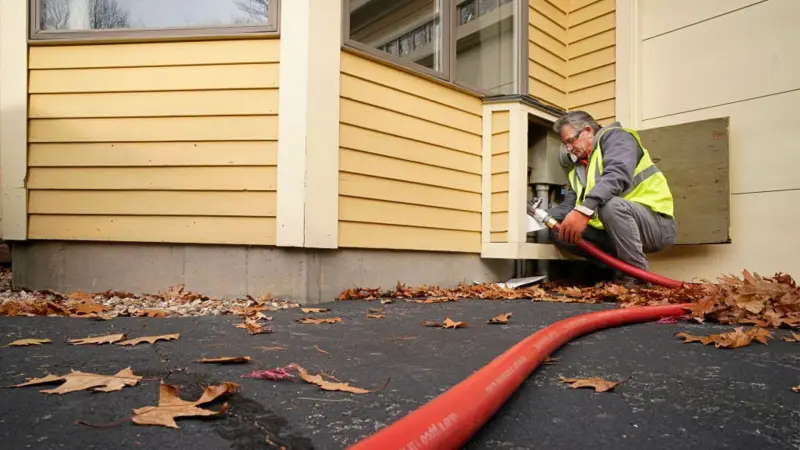
Automatic delivery can reduce the chance of running out of fuel. The supplier estimates when your tank needs a refill using factors such as outdoor temperatures and your past use, then schedules a delivery for you.
That convenience may come with a higher price or less room to compare suppliers. Review recent invoices and check the per-gallon rate against local quotes. Will-call delivery, where you contact a supplier when you need oil, can give you more control over when and where you buy. It also means keeping closer track of your tank so you can order in time.
Ask about discounts, payment plans and assistance

Call your supplier to ask about discounts that may not be advertised. Some companies offer a lower per-gallon price for cash or check payments, loyalty savings for longtime customers, or reduced rates through neighborhood buying groups. Compare the full cost and payment terms before choosing an offer.
Budget billing spreads estimated annual heating costs into more manageable monthly payments. It generally doesn't lower the amount you spend on oil, but it can make cash flow easier to plan, particularly when income varies from month to month. Ask about enrollment fees, finance charges and any year-end balance adjustments.
Eligible households may also be able to get help with home energy costs through the Low Income Home Energy Assistance Program. Eligibility and available funding vary by state, so check with the local program about current options.
Use your thermostat and heating system well
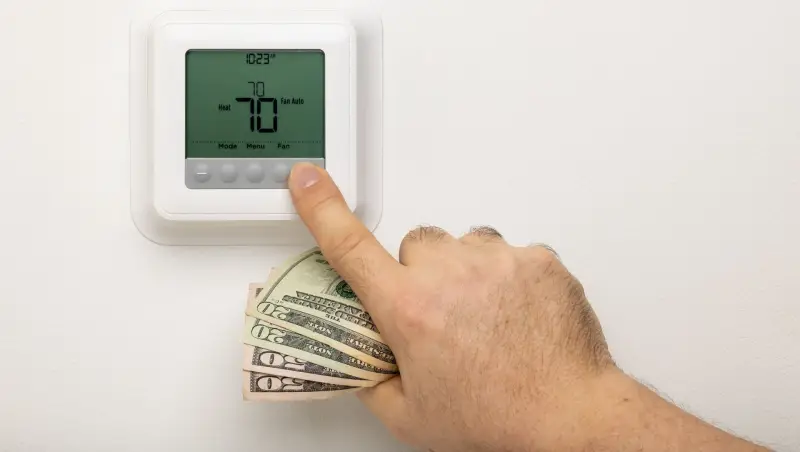
A programmable or smart thermostat can reduce heating when the house is empty or residents are asleep. The U.S. Department of Energy says homeowners can save as much as 10% annually on heating and cooling by setting the thermostat back 7 to 10 degrees Fahrenheit for eight hours a day. That figure applies to heating and cooling together, and results depend on the home and its system.
Large setbacks may be less practical with a boiler, radiant floor heating or another slow-response system. Check what works for your equipment, and confirm that a thermostat is compatible with your oil furnace or boiler before buying. A basic programmable model may provide useful scheduling without the higher upfront cost of a smart version.
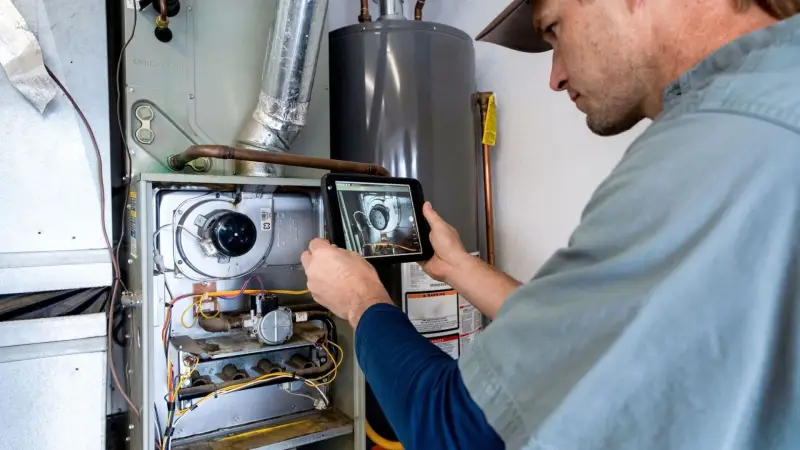
Routine service can help an oil furnace or boiler run as intended. Dirty filters, clogged burners and worn parts can reduce efficiency, making the system burn more fuel to maintain a comfortable temperature. A qualified technician can clean and inspect components, check combustion efficiency, replace filters or nozzles when needed, and spot problems before they turn into larger repairs. Ask whether the system is operating efficiently and which recommended work could reduce fuel use.
Fix heat loss before paying to heat more

Competitive fuel prices won't help much if warm air escapes through drafty windows, gaps around doors or inadequate attic insulation. Start with relatively affordable steps: add weatherstripping, seal air leaks and check insulation in areas you can access. A professional home energy assessment can help pinpoint where heat is escaping; some utility companies and state energy programs offer free or discounted assessments to eligible homeowners.
Before paying for a larger project, weigh its cost against the heating oil it might save each year and the time it could take to recoup the expense. A small repair may be a sensible first step, while a bigger upgrade depends on the home's condition and how long you expect to benefit from it.
To keep costs manageable, begin with quote comparisons, contract terms and supplier discounts, which may not require an upfront investment. Then address thermostat schedules, system maintenance and heat loss according to your home and budget. Checking each delivery and making gradual improvements can help you plan for winter without losing sight of comfort.