From Credit Cards to AI: Money Milestones That Changed American Life
Credit cards, fuel shortages, the internet, recessions and AI have reshaped how Americans spend, save and manage money across generations.

Some changes in money are easy to spot: a new way to pay, a sudden jump in fuel costs or a tool that puts banking in your pocket. Others take years to show their effects, as families adjust how they work, spend, save and plan. Across the generations born since 1928, a handful of milestones have changed those routines in lasting ways.
Each generation met a different mix of new conveniences and financial pressures. Credit cards made purchases easier to pay for, but also changed the relationship between buying something and having cash on hand. Oil shortages made everyday travel feel less predictable. Computers and the internet opened new ways to shop and bank. Later, a major recession and the pandemic tested household finances, while smartphones and generative artificial intelligence continued to change how people handle daily tasks and think about work.
Postwar homes and a new way to pay
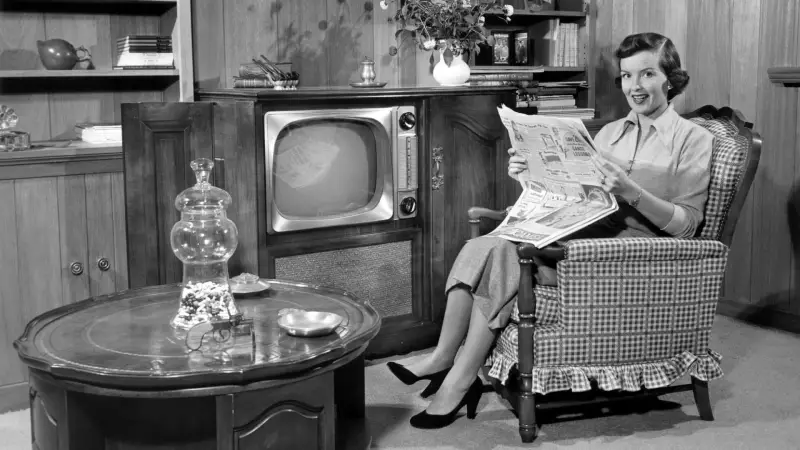
People born in the Silent Generation, from 1928 through 1945, came of age as the postwar economy grew and daily life shifted. Suburban living and homeownership expanded, and television became a fixture in many living rooms. Those changes shaped more than where families lived or how they spent their evenings; they also helped define what a typical household’s needs and expenses looked like.
The first modern credit card arrived in 1950, changing how Americans could pay for purchases. Paying by card offered convenience, while making it easier to separate a purchase from the moment money left a person’s hands. That can make keeping track of spending more important. The polio vaccine’s introduction in 1955 was another milestone of the period, part of a wider sense that new developments could alter everyday life.
Fuel costs become a household concern

Baby boomers, born from 1946 through 1964, saw social and cultural change alongside economic uncertainty. The 1969 moon landing captured global attention, and Woodstock became a marker of the era’s music and cultural shifts. Yet the 1970s oil crisis brought a more immediate financial strain: soaring gas prices, shortages and long waits at stations.
When a necessary expense becomes less predictable, households may have to reconsider other plans. The oil crisis coincided with rising inflation and uncertainty, making the cost of transportation and everyday purchases harder to take for granted. It also put spending, saving and financial security in sharper focus. The lesson still feels familiar: a household budget can be affected by forces that are difficult for an individual family to control, so room for unexpected costs can matter.
Computers and the arrival of online money tasks

For Generation X, born from 1965 through 1980, the spread of personal computers marked a shift in how people worked, communicated and spent their free time. MTV’s launch in 1981 also changed how audiences encountered music and popular culture. The fall of the Berlin Wall in 1989 marked another turning point in world history.
The internet’s emergence in the 1990s eventually brought shopping and banking online. These services made some money tasks more accessible from home, while changing how people found information and completed transactions. When a new financial tool reduces friction, it can save time; it can also make it easier to spend without the same physical cues as handling cash. The practical habit is straightforward: review transactions regularly, whatever channel you use.
Mobile convenience meets financial upheaval

Millennials, born from 1981 through 1996, entered adulthood amid rapid technological change and economic disruption. The turn of the millennium brought concern about Y2K. The September 11 attacks in 2001 changed how Americans traveled and brought new attention to security. In 2007, the iPhone made it easier to communicate, shop and manage finances through a single device.
Then the Great Recession brought widespread job losses, falling home values and financial strain. For people entering or building careers at the time, those pressures could shape views about saving and spending. A home’s value can fall, income can become uncertain, and a plan that depends on steady earnings may need revisiting. The experience is a reminder to consider how a household would handle a disruption, while recognizing that each family’s resources and choices differ.
Always-connected habits and uncertain work

Generation Z, born from 1997 through 2012, grew up with smartphones, social media and instant access to information as ordinary parts of life. Instagram, TikTok and YouTube changed how people connect, shop and consume news. The phone that makes a payment or purchase convenient can also place more spending opportunities within easy reach.
The COVID-19 pandemic disrupted education, employment and the global economy. Generative artificial intelligence has since raised new possibilities and concerns about the future of work. Those changes may affect how younger people think about careers, income and financial plans, though their effects will vary across households.
Across these generations, the lasting money question is how to adapt when the tools and pressures around household finances change. A useful starting point is to notice which costs are becoming less predictable, keep an eye on spending as payment methods evolve, and revisit plans when work or everyday routines shift. The next defining money moment may arrive as a new convenience, a sudden strain or both.


