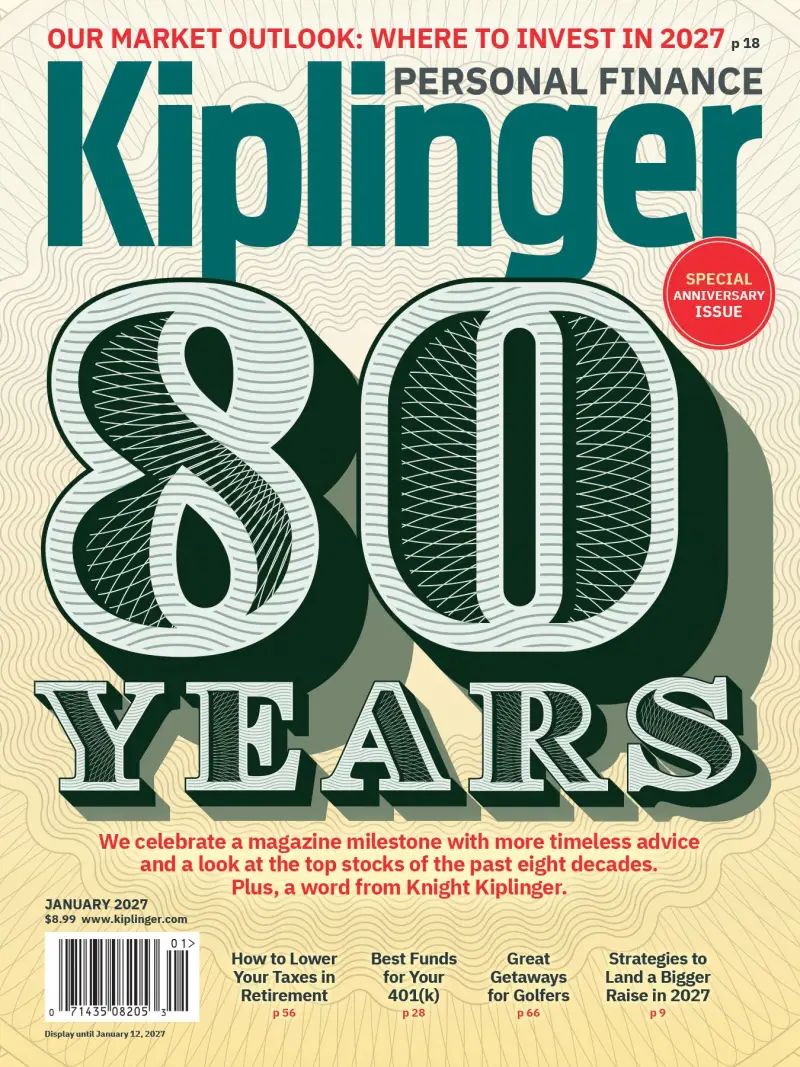
Eight Decades of Personal Finance Lessons That Still Shape Household Money
Kiplinger’s 80-year history reflects a lasting focus on steady investing, financial resilience, thoughtful spending and sharing wealth.
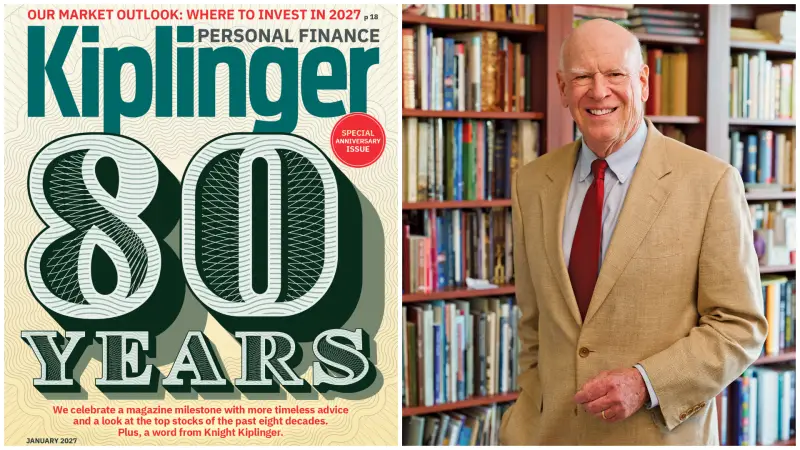
For eight decades, Kiplinger Personal Finance has built its identity around a practical question: how can households manage money with more care and confidence? Its history offers a useful view of how advice on saving, investing, spending and giving became a lasting part of personal finance publishing.
The magazine was founded by Knight Kiplinger’s grandfather and father shortly after World War II. At the time, millions of Americans were navigating rising prosperity and looking for guidance on what to do with their money. The magazine, briefly known as Changing Times, set out to offer useful information without commercial influence. Its subject eventually acquired a name of its own: personal finance.

Practical guidance found a lasting audience
Keeping a print magazine alive for 80 years is unusual. Periodicals have long had to contend with changing interests, and the internet began drawing subscribers and advertising revenue away from magazines in the early 2000s. A small group of longstanding business and finance publications has continued through that change. The examples named alongside Kiplinger include The Economist, founded in 1843; The Wall Street Journal, founded in 1889; and Barron’s, founded in 1921.
Kiplinger also publishes The Kiplinger Letter, which dates to 1923, and The Kiplinger Tax Letter, founded in 1925. Their continued publication points to a durable audience for useful information that readers can apply to real decisions. Entertainment and general interest have their place, but advice about household finances answers a different need: what to do with the money a family earns, saves and spends.
The field grew crowded in the decades after Kiplinger established its approach. Money arrived in 1972, followed by titles such as Sylvia Porter’s Personal Finance, SmartMoney, Your Money, Family Money and Bloomberg Personal Finance during the 1980s and 1990s. Those publications have since left print magazine publishing, though some continue online. Kiplinger’s own account of its history credits the practical value of its guidance with helping it endure.
That value can be personal as well as institutional. Longtime readers have described the magazine as a useful resource for their families’ financial security. Some families have passed subscriptions down through four generations, with younger readers receiving them from parents, grandparents or other relatives. The continuity suggests that money guidance can become part of how families share experience, alongside the numbers and decisions themselves.
Steady habits through changing markets
Many of the magazine’s long-running investing themes sound familiar now, but they were not always widely accepted. Kiplinger backed disciplined investing across different economic conditions instead of trying to time the market. Its coverage also promoted dividend-paying blue-chip stocks and diversification through no-load mutual funds, including funds tied to broad indexes. These approaches share a preference for patience and spreading exposure over bets on short-term market moves or a narrow set of holdings.
That doesn’t make every investment suitable for every household. The broader lesson is about the role of discipline: having an approach that can be maintained through both rising and falling markets may help investors avoid letting fear or excitement dictate each decision. Kiplinger’s coverage of these strategies reflects an emphasis on long-term habits over forecasts about the next market turn.
The magazine also wrote about successive investment fads, often with caution. Topics included commodity futures, foreign exchange, penny stocks, house flipping, speculative technology initial public offerings and gold. Its position on gold was qualified: it could serve as an inflation hedge, but wasn’t presented as a core holding. The range of examples illustrates a recurring distinction in personal finance: an asset attracting attention is not automatically a sound foundation for a household portfolio.
That distinction matters most when confidence is running high. Kiplinger describes urging readers to stay calm during the market bubbles and downturns of 1987, 2000 and 2007–09, and to keep investing when markets fell. Its account argues that people who stayed committed through those difficult periods built the foundations of substantial wealth. That is a reflection on past experience, not a promise about what a future downturn or recovery will bring.
Resilience extends beyond investing
Managing household finances also means preparing for setbacks that have nothing to do with market prices. Kiplinger’s guidance has included living simply, building savings for adversity and using insurance to guard against the financial effects of disability or death. Those steps address different risks: savings can help with expenses when income or plans change, while insurance can provide protection against losses a household may not be able to absorb on its own.
Giving is part of that picture, too. The magazine has encouraged readers to share their good fortune through charitable donations and community service. For households, generosity sits alongside day-to-day needs and future plans; the right balance depends on what a family can afford and what it values.
Knight Kiplinger led the magazine for almost half of its 80 years. He credits its continued stewardship to the people now responsible for it and points to a consistent purpose across generations: helping readers make thoughtful decisions with money. The enduring takeaway is modest but useful—build habits that can hold up over time, prepare for disruptions, and make room for the priorities that matter to your household.