Copper’s Supply Crunch Puts Three Less Obvious Mining Companies in View
Copper demand is rising, but mines take years to build. BHP, Barrick and Seabridge offer different ways to gain exposure, each with distinct risks.
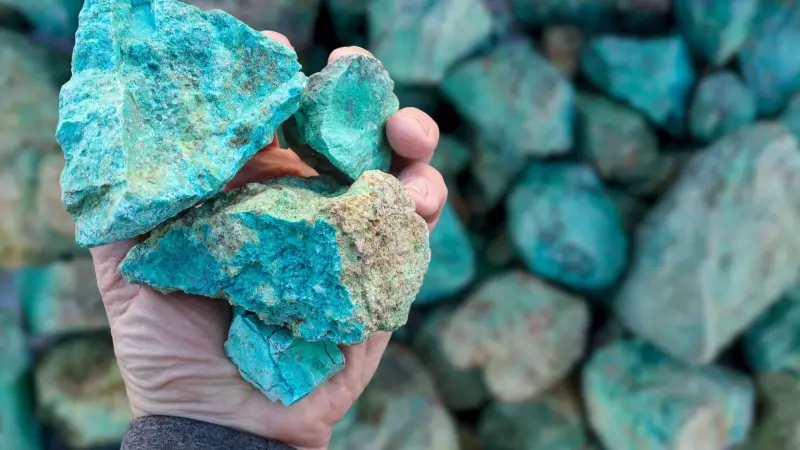
Copper’s appeal rests on a mismatch: demand is expected to grow, while new mine supply can take years to arrive. That makes the metal relevant to investors looking beyond the familiar copper names. But the companies that may benefit offer very different exposure, from current production to deposits that still need financing and development.
Worldwide copper demand could climb about 50%, from roughly 28 million metric tons in 2025 to 42 million by 2040, based on S&P Global estimates. The drivers include grid expansion, electric vehicles, renewable power and industrial electrification. Data centers built for artificial intelligence add demand, but they are only one part of the picture.
Supply is difficult to scale quickly. Mines require large amounts of capital, and a major project can take 10 to 20 years to move from discovery and development to production. Older mines may also face lower ore grades, higher costs and greater technical challenges.
Recent interruptions show how hard it can be to replace lost output. A mudflow at Freeport-McMoRan’s Grasberg operation in Indonesia in September 2025 led to a broad suspension of mining. Freeport expects recovery work to continue into 2027. In Panama, Cobre Panama produced about 350,000 metric tons in 2022 before shutting down in late 2023 amid disputes. A commission has recommended talks that could allow a restart under new terms, followed by a planned closure over time; a final decision has not been made.
That backdrop makes a future supply gap plausible, though it doesn’t make every copper-related company a suitable fit. Southern Copper and Freeport-McMoRan are well-known choices, and their shares have risen strongly over the past year. Investors interested in the theme can also look at companies whose copper exposure sits within a broader or still-developing business.
BHP: copper has become a major earnings source
BHP has long been associated with iron ore, but its earnings mix has changed. In fiscal 2024, iron ore accounted for 64% of underlying EBITDA, compared with 29% for copper. By fiscal 2026, copper had become the largest contributor, at 54% of underlying EBITDA.
That shift reflects both commodity prices and higher output. Copper prices strengthened as iron ore retreated from earlier highs, while BHP’s copper production grew about 25% over four years, reaching roughly 2 million metric tons in fiscal 2026.
The company expects further expansion. Its project pipeline in Chile, Australia and Argentina could lift attributable copper production by about 40% by fiscal 2035. That timeline matters: the expected growth stretches well into the next decade, so it doesn’t remove the delays and execution challenges that come with large mine projects.
BHP’s scale, operating cash flow and balance sheet help it fund development. At the same time, buyers still own a diversified miner, not a direct bet on copper alone. Iron ore and the wider industrial cycle remain meaningful influences on its business. BHP may suit investors who want an established producer with growing copper exposure, while those seeking a more concentrated copper position may find its business mix less direct.
Barrick: current copper production and a major project
Barrick’s shift toward copper is reflected in its name: in May 2025, Barrick Gold Corporation became Barrick Mining Corporation, and its New York Stock Exchange ticker changed from GOLD to B. Gold remains central to its business, but the company expects attributable copper production of 190,000 to 220,000 metric tons in 2026 and is investing in existing operations.
The bigger potential change lies at Reko Diq in Pakistan, where Barrick owns half of a large undeveloped copper-gold deposit. Its share includes approximately 7.3 million metric tons of probable copper reserves. If developed successfully, the project could substantially increase Barrick’s copper profile.
There are meaningful obstacles. Security concerns led Barrick to slow development in 2026 and extend its review through mid-2027. The company is reassessing security conditions, financing, capital needs, project scope and timing. A large reserve is not the same as a producing mine: funding, construction and local conditions will shape whether, and when, it generates cash flow.
Barrick also combines copper with a large gold business. Gold and copper can respond to different market conditions, which gives the company a broader set of commodity exposures than a copper-focused producer. FactSet consensus estimates put Barrick at about 10 times expected 2027 earnings, roughly nine times in 2028 and eight times in 2029. Those estimates depend on assumptions about commodity prices and can change substantially.
Seabridge Gold: a large resource without an operating mine
Seabridge Gold offers a more speculative path. It has no operating mine, and its name gives little hint of its copper potential. Its KSM project in British Columbia holds a large copper resource, but the company would need to secure a partner and address substantial development requirements before production could begin.
An updated resource estimate puts KSM’s measured and indicated copper resources at approximately 9.6 million metric tons, including 3.3 million metric tons already classified as proven and probable reserves. A further 19.4 million metric tons are inferred resources. These categories aren’t interchangeable: resources, especially inferred resources, don’t establish that material can be mined economically.
Seabridge describes KSM as the world’s second-largest copper development resource. The scale is striking, yet it doesn’t create current production or cash flow. A feasibility study from 2022 estimated that the initial mine would require about $6.4 billion in upfront capital. That estimate is several years old and represents a very large amount relative to Seabridge’s size. The company’s main objective for 2026 is to secure a major mining partner with the financial, technical and social resources to help build and operate the project.
For Seabridge, the central question is whether the deposit can progress through financing, permitting and construction. Investors are taking on the risk that development takes longer than expected or never reaches production. That is a very different proposition from buying into a company that already sells copper.
Match the company to the kind of exposure
BHP offers substantial copper production today within a diversified miner. Barrick combines current copper output with a large project that could change its production profile, alongside a major gold business. Seabridge holds extensive copper resources but has no operating mine and depends on a partner and financing to advance KSM.
Those distinctions matter because a copper shortage thesis doesn’t settle the question of which company can benefit, or when. A producer, a miner building a new business and a development company face different timelines and risks. For investors following copper, the practical next step is to examine how much current production each business has, what must happen before planned growth arrives, and how much of the company’s value depends on projects still in development.


