What Shapes an Exterior Painting Quote in Jacksonville
Surface repairs, paint choice, access and Jacksonville weather all affect an exterior painting bill. Compare written scopes to understand what each quote includes.

Two exterior painting quotes can show very different totals because the homes may need different amounts of preparation, repair and setup. In Jacksonville, humidity, strong sun and coastal salt exposure can also affect the work and its timing. A useful estimate explains how these conditions shape the price, so a homeowner can compare the work being proposed rather than judging by the total alone.
Start by checking whether each proposal covers the same surfaces and tasks. One painter may include washing, scraping, priming and cleanup in the quoted price; another may list some of those separately. If the scope is unclear, a lower total may leave room for additional charges once work is underway.
Begin with the surfaces and scope
A careful estimate identifies the areas to be painted: siding, stucco, trim, doors, shutters and any detached structures. It should also describe the home’s stories, wall heights, surface materials and approximate square footage. These details help explain the expected paint quantity and labor.
Measurements alone don’t tell the whole story. Trim, dormers, porches and rooflines can take more time than broad, open walls. Height and layout also affect how crews reach each area and position ladders or other equipment. If a proposal only refers to the home’s visible wall area, ask whether the less obvious sections are included.
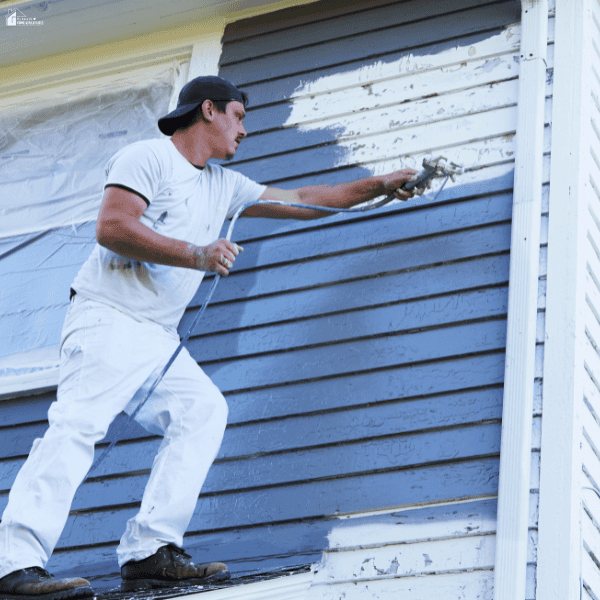
Preparation belongs in the written scope, either as separate items or as clearly described work. Washing removes dirt, mildew and loose residue. Scraping and sanding address paint that no longer holds well. Caulking can close selected gaps around windows and trim. Bare spots and repaired areas may need primer before finish paint goes on.
Check the condition beneath the paint
The state of the existing finish can make a project much more labor intensive. Peeling paint has to be addressed before a new coating can bond properly. Damaged siding, cracked stucco, soft wood and failed caulk may call for repairs beyond routine painting. Those repairs can change both the work plan and the final bill.
Paint is a surface finish, so it can’t resolve the cause of rot or water damage. If an estimate identifies extensive damage, ask what repair work is included and what has been excluded. Photos can give a painter an early sense of the property, but an on-site inspection provides a firmer basis for pricing and scope.
Compare the coating plan
Paint products vary in finish, coverage, mildew resistance and suitability for materials such as masonry or wood. Those differences affect material choices and the number of coats planned. A darker color over a light one may need more coats, particularly when the selected product has lower hiding power.
Look for the product category, finish, sheen, color count and planned coats in the proposal. If those details aren’t there, ask for them before approving the estimate. A color change after approval may require more paint or labor, so find out how the contractor will price that change.
Account for access and property setup
Two-story walls, steep rooflines, enclosed porches and narrow side yards can take extra setup or specialized equipment. Landscaping, furniture, gates and utility lines may limit movement around the house. Clear access can reduce the time spent preparing work areas; blocked areas may require additional handling.
Ask how the crew will protect windows, plants, paved surfaces and outdoor fixtures, and who is responsible for moving or covering items. Confirm what cleanup includes. Clear answers help prevent assumptions about protection and tidying from turning into a disagreement during the job.
Consider Jacksonville weather and timing
Humidity can slow drying, while rain may interrupt preparation or delay a finish coat. Direct sun can heat a wall and change how quickly paint sets. Jacksonville’s coastal properties also face salt exposure, which makes thorough cleaning and sound preparation especially relevant to the work.
Ask how weather affects the schedule and what conditions the painter requires before applying each coat. A schedule may need to shift if rain or surface conditions prevent the work from proceeding as planned. The EPA’s guidance on controlling moisture provides background on why moisture management matters in a home.
Make the quote easy to compare
Labor can make up a large share of the bill because preparation, access and detailed trim work take time. Materials may include paint, primer, caulk, masking supplies and coverings. Larger areas generally call for more paint, while intricate details can mean more brushwork. Ask the contractor to show labor, materials and repairs as distinct items where possible, and to explain any applicable taxes.
Then compare proposals against the same checklist: painted surfaces, preparation steps, coating products, number of coats, repairs, cleanup and warranty terms. Review the payment schedule and proposed start date, too. A detailed written scope gives you a chance to ask about exclusions before agreeing to the work.
Ask about changes before approving
Get clear answers on who handles repairs, whether primer is included and what daily cleanup involves. Ask how hidden damage, weather delays, color changes or added coats could affect the price. Written answers give both sides a record of what was agreed and how unexpected work will be handled.
The most useful comparison is between complete scopes that fit the home’s condition and layout. When the surfaces, preparation, materials, repairs and payment terms are spelled out, the total becomes easier to assess and budget for.