Dating App Costs: What Premium Features May Add to Your Budget
Subscriptions, boosts and date expenses can add up quickly. Compare the features with your budget, and check renewal terms before you pay.
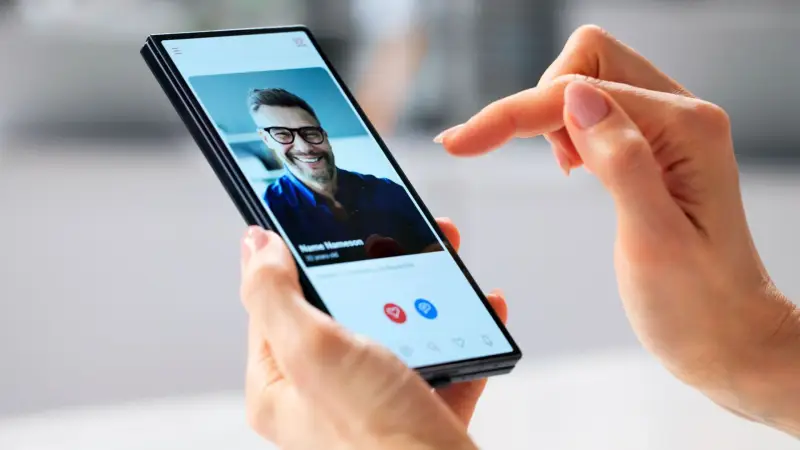
Paying for a dating app can buy convenience, more profile visibility or filters that narrow the field. It can't promise a better match. The practical question is whether those features improve your experience enough to justify their cost alongside the rest of your dating budget.

Many major apps let people create a profile and connect for free, then charge for extra tools. Paid plans can run from about $10 to $50 or more per month, and one-time purchases such as boosts can add to the bill. A subscription that looks manageable month by month may become a sizable annual expense, especially if you use more than one platform.
What subscriptions can cost
Prices vary by app, plan, subscription length and package. Bumble says its prices can depend on the tier and duration selected, and a multi-month commitment may be priced differently from a one-month plan. Treat published starting prices as estimates, then review the checkout screen for the amount you'll actually pay.
| App | Free version | Paid plans start at | Estimated six-month cost |
|---|---|---|---|
| Hinge | Yes | $29.99 per month | $180–$360 |
| Bumble | Yes | $16.99 per month | $100–$600 |
| Tinder | Yes | $9.99 per month | $60–$300 |
| Match | Yes | About $10 per month | $60–$270 |
| eHarmony | Yes | About $30 per month | $180–$450 |
The range in estimated six-month costs reflects how much prices can vary across plans and packages. At $50 a month, a year of uninterrupted use comes to $600. Keeping two services at that price would mean $1,200 a year in subscriptions alone. Lifetime plans can also carry a steep upfront cost, and they may be hard to justify if you don't expect to use that app for years.

Which features are included?
Premium plans tend to combine two kinds of perks: tools that make browsing easier, and features intended to increase the chance that other users see your profile or like. The distinction matters. A filter may help you spend less time on profiles that don't meet your preferences; increased visibility can put you in front of more people without making those people more compatible.
Hinge+ costs approximately $29.99 to $34.99 per month. It includes unlimited likes, a view of all incoming likes at once and advanced filters. HingeX costs approximately $49.99 to $59.99 per month, adding enhanced recommendations, priority likes and Skip the Line, an ongoing profile boost. That higher tier can cost about $25 more per month for added visibility.
Bumble Boost starts at approximately $16.99 per month and includes unlimited likes, SuperSwipes, a weekly Spotlight and the option to reconnect with expired matches. Premium starts at $32.99 per month and adds a view of people who've liked you, advanced filters, Incognito Mode and Travel Mode. Premium+ starts at $54.99 per month and gives profiles and likes higher priority.

Tinder Plus starts at $9.99 per month. Its features include unlimited likes, Rewinds, ad-free swiping and Passport Mode. Gold starts at $24.99 per month and adds the ability to see who has liked you, Super Likes and a monthly Boost. Platinum starts at $39.99 per month and adds prioritized likes.
These features may save time for someone with specific preferences or help a profile get more exposure. But visibility isn't compatibility, and no paid tier guarantees more dates, a suitable match or a lasting relationship.
Extras and date costs add up
Subscriptions are only one part of the bill. Apps may sell one-time features to make a profile stand out. A $10 or $20 purchase can feel minor on its own, but repeated add-ons on top of a $30 or $50 monthly plan can push annual spending much higher.

There may also be expenses outside the apps: professional photos, profile-writing services, dating coaches, singles events and matchmaking services. Then come the dates themselves, including transport, meals, drinks and tickets.
For example, spending $50 a month on a premium app and $25 a month on boosts and other extras totals $450 over six months. Add a $500 professional photo session and the combined spending is nearly $1,000, before paying for any dates. That example makes the trade-off clearer: set a limit for the whole experience, not just the subscription.
Decide whether premium suits you
People's experiences vary. Pew Research Center found that 58% of people who had paid for a dating site or app described their experience as positive, compared with 45% of those who hadn't paid. The finding doesn't show that a subscription caused a better experience, and it won't predict what a particular user will get.
Women under 50 generally reported no difference in improved experience between paying and using free services. Some described feeling overwhelmed or burned out by the volume of messages while still not finding success. A majority of men under 50 who had used dating apps thought they had encountered scammers on some platforms, according to the cited research. A paid plan should be judged by the features it provides, not treated as a guarantee of safer or more successful interactions.
Start with the free version if it lets you test the app's basic features and see whether its pool of potential matches suits you. If a trial is available, use it to assess the premium tools. Otherwise, a short subscription can limit the commitment while you decide whether the added features make a difference.
Set a limit and check renewals
Give dating its own monthly spending limit. Include the app plan, one-time add-ons and ordinary costs such as coffee, meals, transport, clothing and event tickets. When results disappoint, another boost can feel like a quick fix; repeated purchases may instead turn frustration into a costly habit.
Review your spending every few months, as you might with other recurring subscriptions. Before signing up, check for promotional prices. Match and eHarmony have offered Black Friday subscription discounts, but an introductory deal may come with automatic renewal, a higher renewal price or a longer commitment.
Renewal rules also deserve attention. Hinge says a subscription automatically renews unless it's canceled at least 24 hours before the next billing period. Bumble subscriptions must be canceled through the place where they were purchased, such as Apple, Google Play or Bumble. Match plans also renew automatically, and a discount may apply only to the initial subscription term. Put the renewal date on your calendar when you sign up so you can review the service before another charge.
If a month or two of paid use hasn't improved your experience, a more expensive plan may not solve the problem. Returning to the free version, trying another platform or taking a break may better fit your budget. Pay for convenience or specific features when they help; keep the spending within a limit that still feels comfortable if the outcome takes time.


