
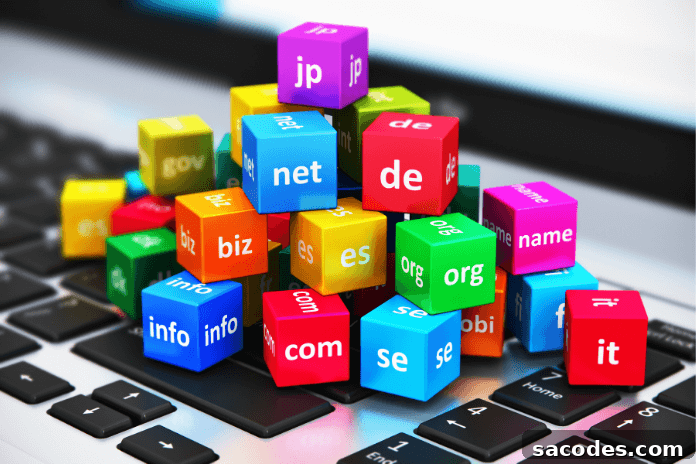
Branding is vital to a business’s success. As your brand takes shape in customers’ minds and in your marketing efforts, the domain name extension you choose also plays a significant role. Domain extensions—the suffixes like .com, .net, and .org at the end of a web address—affect perception, discoverability, and credibility. But how exactly do domain extensions influence your brand?
1. Making a Strong First Impression
A website is often a potential customer’s first point of contact with your business, so the domain extension contributes to that first impression. For example, “.com” is widely associated with trustworthiness and a professional presence, while extensions like “.biz” may signal a business-focused site but can come across as less established. Choosing an extension that aligns with your industry and audience helps create a positive initial impression and sets expectations for visitors.
2. SEO and Search Visibility
Search engine optimization (SEO) is essential for online visibility, and domain extensions can influence local search performance. Search engines often prioritize country-code extensions for local queries—so a business targeting Turkey might benefit from a .tr domain in local search results. Additionally, selecting a domain name and extension that reflect your target keywords can help improve relevancy for certain searches, supporting better organic rankings and click-through rates.
3. Brand Reputation and Perception
Brand reputation is crucial for building customer loyalty and trust. Domain extensions are perceived as part of the brand, and some extensions naturally carry stronger reputational weight. A .com domain tends to communicate stability and professionalism, whereas lesser-known or free extensions can unintentionally signal lower credibility. When choosing an extension, consider how it reinforces the reputation you want to project to customers and partners.
4. Competitive Advantage
Online competition is intense, so the right domain extension can provide an edge. A unique or industry-specific extension can help you stand out from competitors and attract your target audience’s attention. It can also improve visibility in search results and boost click-through rates by communicating relevance and authority immediately in the address bar.
5. Expanding into International Markets
If you operate internationally, your domain extension supports your global strategy. A .com domain is globally recognized and often preferred by companies with cross-border ambitions. Conversely, if you focus on a specific country market, using that country’s extension (for example, .de for Germany) can strengthen local trust and improve performance in regional searches, helping your business connect with local customers more effectively.
6. Trust and Credibility
Online trust is foundational for customer relationships, and your domain extension influences perceived credibility. A well-established extension like .com suggests longevity and reliability. By contrast, free or obscure extensions may raise doubts among potential customers. For businesses aiming to build long-term trust, choosing a reputable extension is an important part of the strategy.
7. Brand Consistency and Recognition
Selecting the right extension enhances brand consistency and makes your site easier to remember. Because .com is the most familiar extension, it often helps users recall your web address and return to your site. Choosing a memorable, consistent domain that aligns with your brand identity increases repeat visits and recommendations, which supports sustained brand recognition.
In short, domain extensions shape your online identity. They affect first impressions, SEO, reputation, competitive positioning, international reach, trustworthiness, and recall. Carefully evaluate which extension best represents your brand and audience—this choice can directly impact your brand’s success online.
Choosing a Domain Name for Your Personal Brand
Personal branding is more important than ever in today’s digital landscape. Your domain name is a core element of that brand, so choosing the right one requires thought. Here are practical guidelines to help you select an effective domain for your personal brand.
-
Define Yourself
Start by clarifying your personal brand: who you are, what you stand for, and the areas in which you specialize. A clear identity helps you pick a domain that communicates your niche to your audience. For example, if you are a fashion blogger, your domain should reflect style or fashion to signal the type of content visitors can expect.
-
Keep It Short and Memorable
A strong domain is concise, easy to type, and easy to remember. Long, complex names lead to typing errors and lost traffic. Instead of “JohnsFashionTips.com,” consider a shorter option like “JohnStyle.com” that’s cleaner and more memorable.
-
Use Relevant Keywords
Including keywords relevant to your field can help with search visibility. If you specialize in nutrition, a domain such as “HealthyEatingWithEmily.com” signals topical relevance to search engines and users alike, which can support organic discovery.
-
Be Unique and Authentic
Stand out by choosing an original domain that reflects your personality or focus. A distinctive name like “WanderlustJane.com” evokes a persona and theme—useful for building a recognizable personal brand that differentiates you from others.
-
Pick the Right Extension
Extension choice matters because it signals purpose and trust. Common extensions include .com, .net, and .org, while newer options like .me, .io, or .name can suit specific personal-branding goals. Consider your audience’s preferences and how the extension supports your professional image.
-
Ensure Social Media Consistency
Align your domain with your social media handles to create a cohesive presence. If your domain is “JohnStyle.com,” aim to secure the same username across social platforms to make it easy for followers to find and recognize you.
-
Think Long Term
Choose a domain that allows for future growth. If you might expand beyond a narrow niche, pick a name that won’t limit your ability to pivot or broaden your content and services later.
Selecting the right domain for your personal brand strengthens your online presence. Define your identity, keep the name short and relevant, use keywords thoughtfully, be original, pick an appropriate extension, match your social profiles, and plan for the future. Following these steps will help you build a memorable domain that supports long-term personal-brand success.