
How to Create an E-Commerce Website: Platforms That Will Help Your Business
If you don’t yet have an e-commerce website, you’re likely considering creating one. Having an online store is essential to stay competitive and reach more customers in today’s market.
So what does it take to start e-commerce? Honestly, it requires research and planning, but the good news is that building an e-commerce site and beginning to sell is easier than ever. Below we explain why an online store matters and review popular platforms to help you choose the best solution for your business.
Why You Should Build an E-Commerce Website
An e-commerce website puts your business on the internet, making it visible to many more potential customers than a physical store alone. An online shop lets customers purchase from you at any time of day, increasing sales opportunities while you sleep. Even if customers can’t come to your physical location, they can still reach you easily through your website. In short, e-commerce enables you to do more business and become part of a global marketplace. Below are the key steps and platforms to consider when launching your e-commerce presence.
1) Choose Your E-Commerce Platform
After deciding to set up an e-commerce website, one of the biggest questions is which platform to choose. Selecting the right platform is critical—choosing the wrong one can cause problems later. Instead of asking “Which e-commerce solution is best?” ask “Which e-commerce solution is best for my needs?” Below is an overview of popular platforms to help you evaluate options.
WordPress + WooCommerce
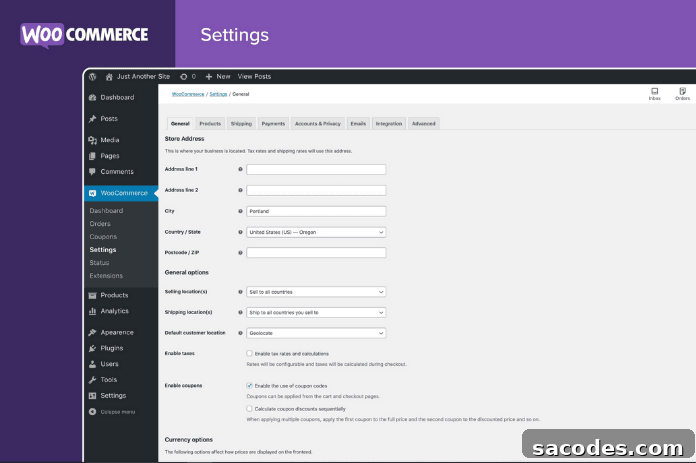
WooCommerce is a popular e-commerce solution built for WordPress that makes it easy to customize ready-made themes. It’s straightforward to install and configure; many merchants can set up a store and start taking orders within a day. WooCommerce is open source and free to use, and because it has a large user base, you’ll find extensive documentation, tutorials, and community support. There are hundreds of extensions and themes—some free, others paid—that let you build the exact store you want. WooCommerce is an excellent, scalable option for small businesses that want to grow into larger solutions over time.
PrestaShop
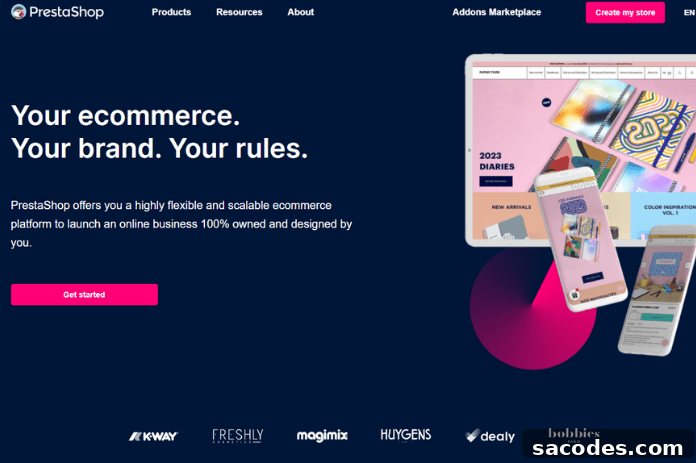
PrestaShop is another open-source e-commerce platform that runs primarily on PHP and MySQL, with optional JavaScript integrations. It’s free to use and enjoys a large user community—reported at over 300,000 users—so finding solutions to problems or guidance is generally straightforward. PrestaShop is well suited for small and medium-sized stores and is continuously updated, making it a reliable choice for growing online stores.
OpenCart
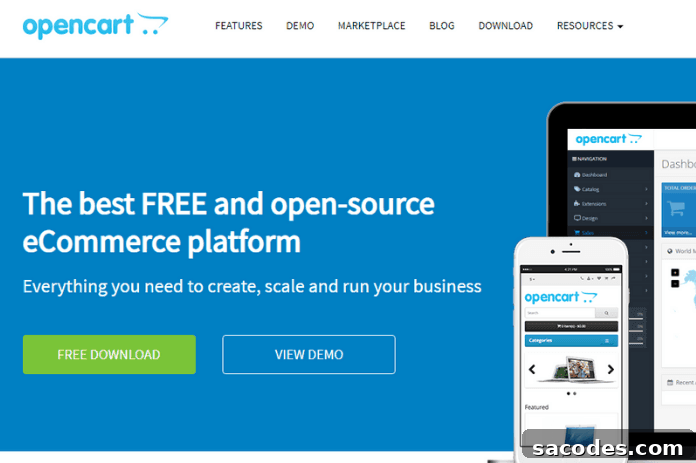
OpenCart is another free, open-source e-commerce platform. It’s easy to install on any hosting account that supports PHP and MySQL. OpenCart offers a wide range of themes and extensions that can be purchased to extend functionality—such as email marketing integrations, social media product sharing, and payment gateways. Its large user base means many community resources and forums are available for troubleshooting and advice.
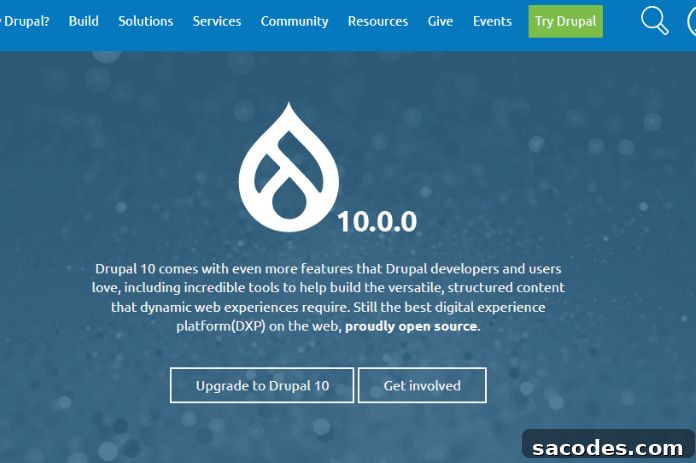
Drupal
Drupal is a versatile content management system that works well for many types of websites, including e-commerce when combined with appropriate modules. Drupal is open source and free, and while its module ecosystem is different from other platforms, it is suitable for complex sites that require flexibility beyond standard e-commerce features. Drupal is commonly used when you plan a broader site with advanced content and custom functionality in addition to online sales.
Magento
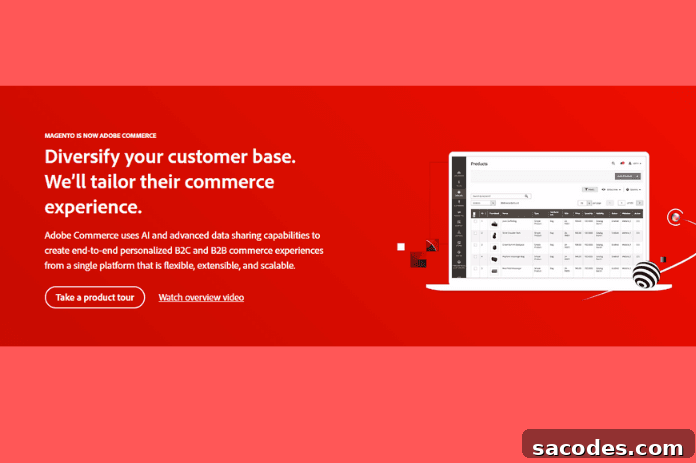
Magento is designed for larger companies and enterprise-level stores. Initially developed by Varien and now part of Adobe, Magento evolved from a small open-source project into a leading framework for high-volume e-commerce. Magento comes in two main editions: a self-hosted open-source version that is free to use, and a commercial, hosted enterprise edition offered through Adobe. The enterprise version provides additional features and support but can be significantly more expensive, so budget and business size are important considerations when choosing Magento.
In summary, selecting the right platform depends on your business needs, technical comfort, and budget. Small businesses often prefer WooCommerce, PrestaShop, or OpenCart for their balance of features and cost, while larger enterprises may opt for Magento or a hosted solution. Once you’ve chosen a platform, pick a reliable hosting plan and begin building your online presence with a focus on user experience, clear product pages, simple checkout, and SEO-friendly structure. If you need affordable hosting options to add your online store to the web, consider hosting packages tailored to e-commerce needs and get started today.