

Today, with the rapid spread of technology and digitalization, the generation and collection of data are increasing at an astounding pace. From social media and transaction logs to IoT devices and mobile apps, vast amounts of data are produced every second. Within that data lie valuable insights that can improve organizational efficiency, decision-making, and customer relationships. However, raw data alone has little value until it is transformed. This is where data analysis becomes essential.
Data analysis is the systematic process of examining large and complex datasets to extract meaningful, actionable information. It encompasses all stages from data collection and cleaning to processing, modeling, and interpretation, with the ultimate goal of turning raw information into insights that support better decisions and strategies.
Data analysis plays a critical role across many industries and disciplines. In business, companies use data analysis to better understand customer behavior, optimize products and services, and identify market opportunities. In healthcare, it supports improved diagnosis, treatment planning, and outcomes monitoring. In education, data-driven approaches help evaluate student performance and enhance learning quality. Finance, engineering, scientific research, and public policy all rely heavily on data analysis to inform strategy and measure impact.
In short, data analysis is one of the most important steps organizations can take to extract maximum value from data, making it an indispensable part of modern operations.
What Is Data Analysis?
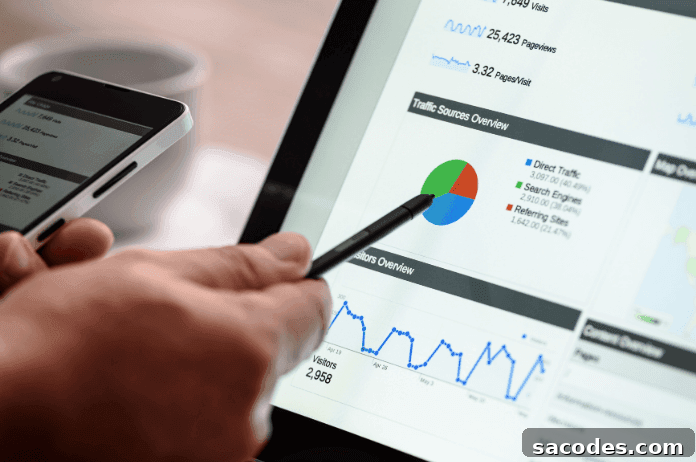
Data analysis is a structured approach for deriving insights from diverse datasets. By processing, modeling, and interpreting raw data, analysts produce information that supports decision-making and helps forecast future trends. The process involves inspecting data from multiple sources, cleaning and transforming it, and applying statistical or machine learning methods to reveal patterns and relationships. Well-executed data analysis clarifies complex phenomena, uncovers hidden trends, and provides evidence-based recommendations.
The Importance of Data Analysis
Data analysis enables organizations to adopt a data-driven mindset. It helps businesses understand customer needs, evaluate product performance, monitor market trends, and improve operational efficiency. Decisions informed by reliable analytics tend to be faster, more objective, and better aligned with strategic goals. Beyond business, data analysis supports research, public health initiatives, policy planning, and resource allocation, making it a foundational capability in modern institutions.
The Data Analysis Process
- Data Collection: The process begins with gathering relevant data from surveys, experiments, transactional systems, sensors, or online sources. Choosing the right sources and ensuring appropriate coverage are essential first steps.
- Data Cleaning: Quality is critical. Cleaning addresses missing values, inconsistencies, duplicates, and errors to ensure reliable results. Well-cleaned data reduces bias and improves model performance.
- Exploratory Data Analysis: Initial exploration helps reveal patterns, outliers, and relationships. Visualizations, summary statistics, and correlation analysis guide further modeling.
- Data Modeling: Analysts apply statistical techniques and algorithms to extract meaning. This may include regression, classification, clustering, time series forecasting, or more advanced machine learning approaches depending on the problem.
- Data Visualization and Reporting: Findings are translated into clear charts, dashboards, and reports so stakeholders can easily understand insights and implications.
- Decision Making: Insights derived from analysis inform strategies, operational changes, and future planning. Continuous monitoring and feedback help refine models and assumptions.

Popular Data Analysis Techniques
- Descriptive Analysis: Summarizes main features of a dataset with measures such as mean, median, and standard deviation to describe what has happened.
- Diagnostic Analysis: Seeks to explain why events occurred by investigating causes and correlations.
- Predictive Analysis: Uses historical patterns and models like regression or time series to forecast likely future outcomes.
- Prescriptive Analysis: Recommends actions by evaluating possible scenarios and their expected outcomes, often leveraging optimization techniques.
- Preventive Analysis: Anticipates risks and potential issues, enabling proactive measures to avoid negative outcomes.
- Clustering: Groups similar data points to uncover natural segments or customer cohorts for targeted strategies.
- Big Data Analysis: Deals with high-volume, high-velocity, and high-variety datasets using scalable platforms and distributed computing tools.
Tools for Data Analysis
- Excel: A versatile and widely used tool for basic analysis, quick calculations, and preliminary visualizations.
- Python: A powerful language with libraries such as pandas, NumPy, scikit-learn, and matplotlib that support data manipulation, modeling, and visualization.
- R: Favored for statistical modeling and advanced data visualization, with a rich ecosystem of packages for analytics.
- SQL: Essential for querying relational databases and preparing structured data for analysis.
- Tableau: A leading platform for building interactive dashboards and communicating insights to business users.
Conclusion
Data analysis has become indispensable in today’s data-rich world. When organizations apply appropriate techniques and tools—coupled with clean, well-governed data—they can make smarter decisions, reduce risk, and gain competitive advantage. Understanding the full data analysis workflow, from collection and cleaning to modeling and visualization, is crucial for delivering reliable insights. As data continues to grow in scale and complexity, investing in analysis capabilities remains a key priority for any organization seeking to thrive.