
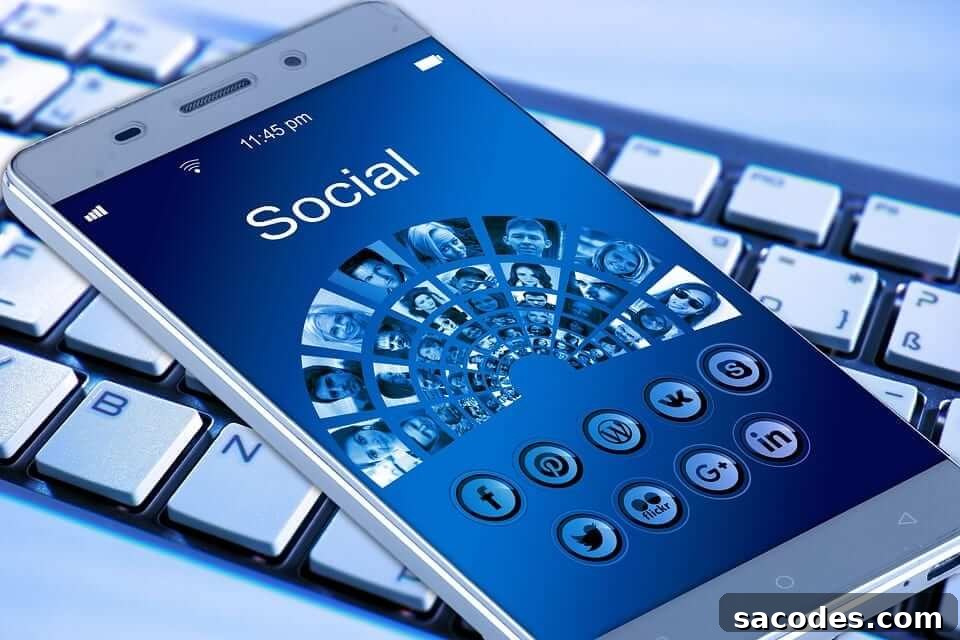
We are now integrated with social media across every area of life, appearing on both personal and corporate channels. Personal branding, earning income, keeping digital diaries, creating virtual albums, spreading information and many other activities have made social media a powerful and highly attractive force. Social media has become a simple platform easily accessible to anyone with a connected device. In recent years it has advanced at light speed; for example, reports note that around 77% of users in Turkey are active during the day, illustrating how pervasive these platforms have become.
Are We Becoming Social Media Monkeys?
Social media is a part of our daily routine—so much so that many of us find it hard to stop checking feeds. Posting regularly and following the latest trends can turn into a full-time habit. As we build our presence inside this fast-paced, interactive network, social media can encourage impulsive behavior: we jump from post to post, laugh and scroll without pause, and sometimes satisfy even basic desires through images alone. Recognizing this pattern is the first step toward changing it.
What to Watch for When Using Social Media
- Be a healthy digital citizen: respect others, follow platform rules, and protect your privacy.
- Practice self-monitoring: set limits on time and content, and decide what is acceptable to share.
- Approach criticism constructively: distinguish between helpful feedback and harmful attacks.
- Separate reality from fiction: remember that many posts are curated and do not reflect everyday life.
- Avoid believing sensational or manipulative headlines that only aim to provoke an emotional reaction.
- Verify information from multiple sources before accepting it as true.
- Be a smart consumer of information: focus on quality over quantity when choosing what to read and share.
- Understand the purpose behind a post or article—whether it is informational, promotional, or opinion-based.
- Check the credentials of people who present themselves as experts; not every profile labeled “specialist” is trustworthy.
Following these guidelines helps us step away from mindless scrolling and regain control. Social media platforms should not direct our lives; rather, they should serve as tools that entertain, provide information, and help us stay informed about current events.
Does Social Media Pull Us into an Unreal World?
Social media often paints an idealized picture of life: constant enjoyment, frequent travel, flawless appearances and seemingly limitless budgets. This steady stream of highlight reels encourages comparison and can make ordinary days seem inadequate. When people feel they cannot match what they see or struggle to share similar moments, depression and lowered self-esteem can follow. Over time this can lead to social withdrawal and feelings of isolation.
We Need Media-Literate Users
Individuals must learn to use these platforms more effectively. Understanding the risks and recognizing manipulation helps reduce vulnerability. Media literacy—knowing how media messages are created, for what purpose, and how to evaluate them—is essential, and education systems should emphasize these skills. Schools, community centers and lifelong learning programs can play a major role in teaching practical ways to navigate digital spaces safely and responsibly.
Awareness of issues such as cyberbullying and hate speech is also crucial. Community training, dedicated classes in media literacy, and local workshops help people of all ages become more informed users and better protect themselves and others online.
Are Inquisitive People More Aware?
To protect ourselves from misinformation and baseless claims circulating in the media, we must become critical, inquiring readers. In the information age, content spreads quickly across digital channels, so the ability to assess accuracy, trustworthiness and relevance is paramount. Promoting media literacy helps people distinguish reliable reporting from speculation or deliberate falsehoods.
Encouraging media literacy means supporting qualified professionals who understand new media dynamics and prioritizing credible sources. On digital platforms, avoid trusting content without a clear origin. The more deliberate and discerning we are, the faster we can locate accurate and useful information.
Source: iienstitu.com