

Lucy Sinclair, Director of Insights for Google’s EMEA insights team, and İlayda Tolay, Ads Marketing Lead at Google Turkey, share the shifts in consumer behavior they and their customer solutions, analytics and insights teams have observed.
The COVID-19 pandemic has affected people across the globe, creating rapidly changing consumer needs and behaviors that present new challenges for marketers. We regularly share the latest search analyses from Google Trends for the EMEA region to help you understand what matters to your customers during this extraordinary period and to support you in continuing to serve them with relevant products and services. By using Google Trends, you can observe changes in search interest directly and gain faster, actionable insights.
As people adapt to the situation and search patterns stabilize, our analysis focuses on the macro shifts in consumer behavior likely to shape life after quarantine and the long-term implications for businesses.
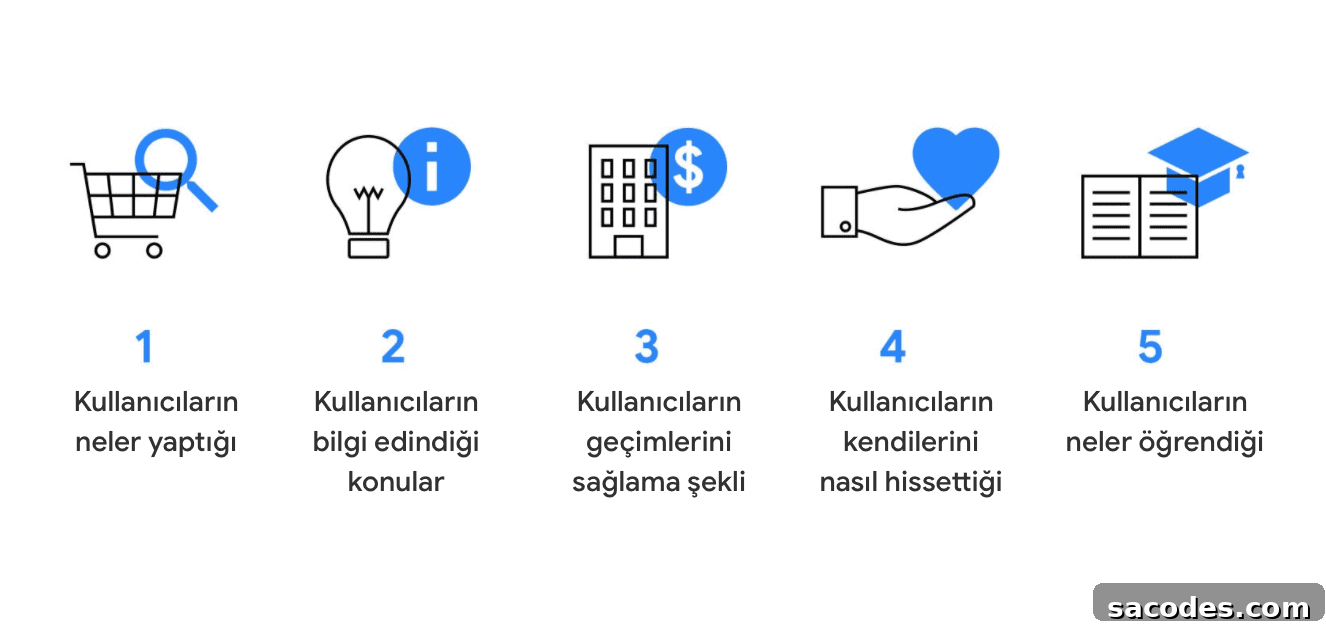
In this context, we highlight five key themes:
- What users are doing: New ways to spend time and money
- What users are searching for: The need for timely, trustworthy information
- How users earn a living: Changes in employment and financial situations
- How users feel: Health, connection and community
- What users are learning: Formal and informal education for children and adults
 During the quarantine, people found new ways to meet their needs and many habits were replaced by new routines. Instead of dining out, people order special meals to enjoy at home; instead of going to bars, they host virtual pub quizzes with friends. These shifts can change how categories are defined and may even create entirely new categories of demand.
Brands that can respond quickly to these new needs and match the speed at which customers adopt digital solutions stand a better chance of success. Beyond implementing digital transformation as a long-term strategy, businesses that can quickly detect and adapt to changing behavior will be better positioned both in the short term and over the long haul. Examples include restaurants offering drive-up or delivery services and local pharmacies that deliver prescriptions to customers’ doors.
As EMEA countries ease restrictions, it will be important to watch which of these new behaviors persist and what opportunities they create for businesses.
1. What users are doing: Consumers are searching for new solutions to meet their needs
Quarantine has disrupted daily life and limited access to places consumers used to frequent. As a result, people are modifying their behaviors and seeking alternatives that fit current conditions. Over the past months, we’ve seen “transforming” trends where one search interest is replaced—or supplemented—by another.
Google Trends shows shifts such as in the UK where searches moved from “cinema” to “movies,” worldwide interest moving from “things to do this weekend” to “things to do when bored,” from “smart casual” to “smart everyday clothes,” from “restaurants” to “home delivery,” from “walking tours” to “virtual tours,” from “cars for sale” to “puppies to adopt,” and from “courses near me” to “online courses.”
In Turkey, searches have increased for local discovery terms like “how many km,” “picnic areas,” “places to visit,” and “bus tickets,” reflecting a desire to explore nearby destinations.
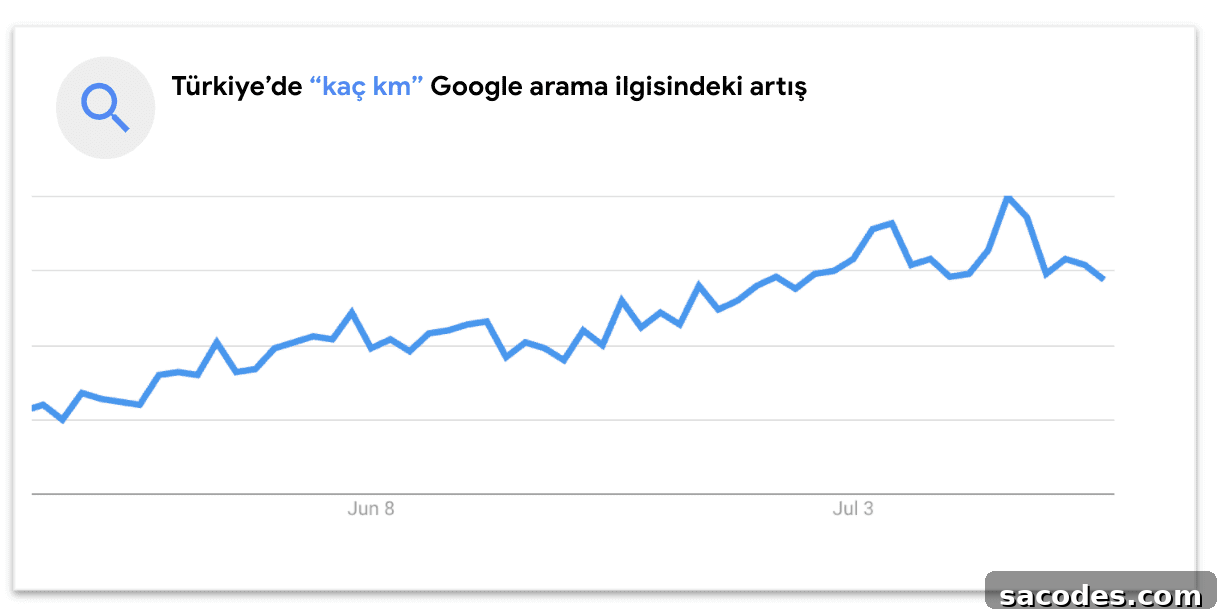
In many of these examples, the original search interest is gradually recovering. It will be interesting to observe which of these new trends persist as permanent alternatives to earlier behaviors, and which coexist with them over the coming months.
2. What users are searching for: The “near me” trend continues and travel-related queries are rebounding
We previously noted that as EMEA regions relaxed quarantine rules, searches shifted from “open places” to “open places near me.” Consumers want up-to-date information about services and venues close to their homes, so the “near me” trend remains strong.
Examples include increased “near me” queries for hairdressers, barbers and haircuts in Israel; “banks near me” in the UAE; and searches for gyms, basketball courts and dance classes in Kenya.
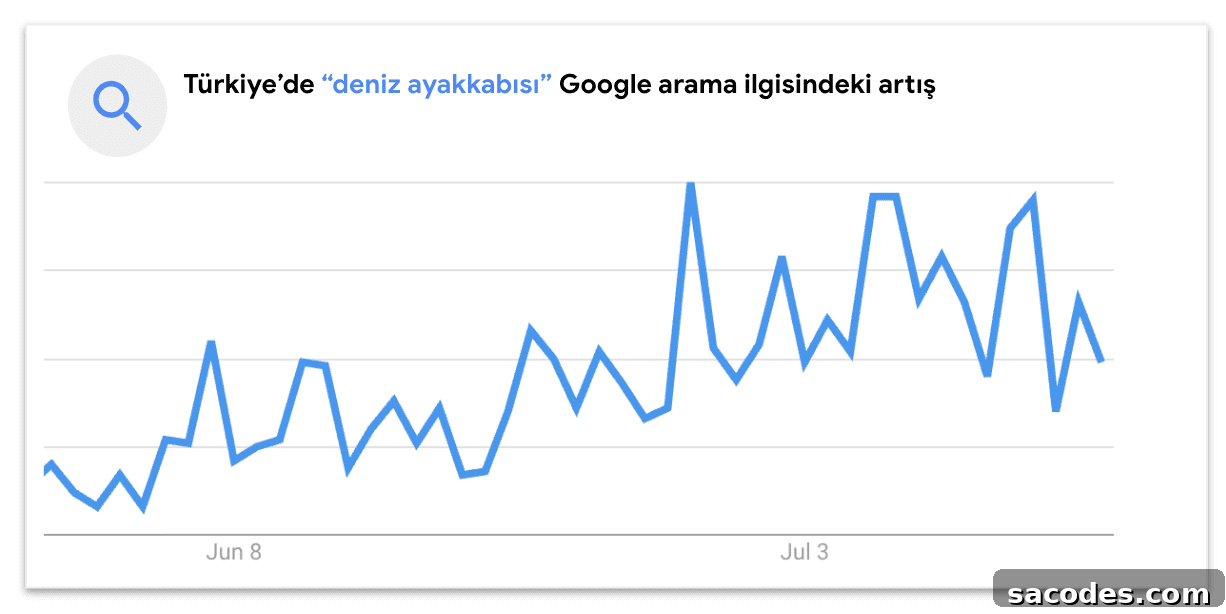
With some countries reopening borders, Google Trends also indicates renewed interest in summer travel planning. Recently, searches rose for “passport renewal” in Finland, “travel insurance” in Poland, and “nonstop flights” in the UAE. In Turkey, there has been increased interest in “villa rentals” as well as beach-related items such as “water shoes,” “beach umbrella,” and “bikini styles.”
3. How users earn a living: Interest in wages and basic financial services is increasing
Searches related to job security have been persistent since the pandemic began, and it is unsurprising that this trend continues even as some countries enter recovery phases. At the same time, in recent weeks we’ve seen rising search interest in basic financial services, such as wages, banking and loans.
Google Trends shows growing searches for “pension” and “renew job application” in Spain, “online loans” in Italy, “how to write a CV” in Belgium, and “suitable jobs” in Egypt. In Turkey, searches for “mobile banking” and “loan calculator” have increased.
4. How users feel: Consumers turn to Google Search for food and nutrition information
Restricted access to gyms and outdoor activities may have affected some people’s physical health, yet health-conscious consumers are using Google Search to learn about food, nutrition and wellness tips, and to find inspiration from others.
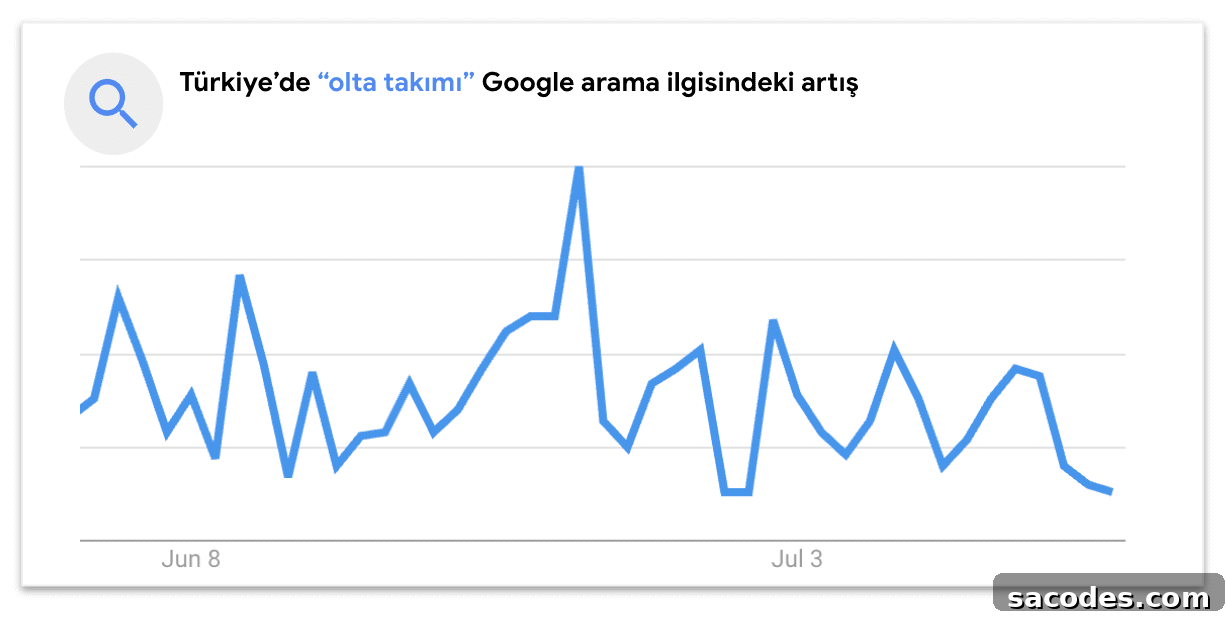
In recent weeks and months we’ve seen increases in queries such as “nutritional value” in Egypt; “sugar-free” cookies, diets and elderberry syrup in Poland; guidance on what to eat during a ketogenic diet for weight loss in the UK; “how to make jam” and “fishing tackle” in Turkey; “how to prepare” searches for guava leaves, aloe vera juice, ginger and garlic in Kenya; “activity tracker” in Belgium; and “aloe vera gel” for burns in Sweden.
5. What users are learning: People are seeking answers to their curiosities
Consumers continue to use Google Search and YouTube for inspiration and to learn new skills; “how-to” searches are rising on both platforms. Even when queries are not directly related to COVID-19 or local restrictions, people increasingly turn to search to find answers to everyday questions.
For example, recent searches increased in Germany for “when do eggs go bad,” in Belgium for “can I freeze cherries” and “can I prune squash leaves,” in Israel for where to buy plants and licorice root, and in France for questions about when to be concerned about hives or high temperatures.
Explore other consumer search behavior trends
You can find our complete set of recent search analyses in our search analysis collection. We provide an up-to-date snapshot of changing consumer behavior and trends across EMEA. It can be helpful to review this information regularly or to focus on a specific country or region for more targeted insights. For hands-on analysis, try using Google Trends—enter a keyword or topic and discover nearly real-time search interest from users around the world.
İlayda Tolay
Ads Marketing Lead
Google Turkey
source: Thinkwithgoogle