
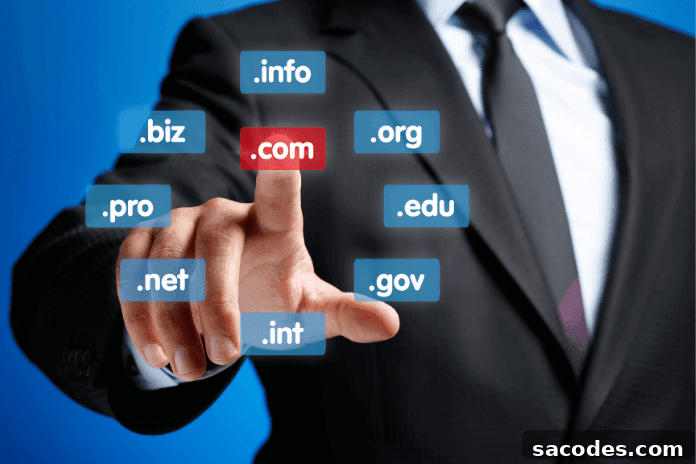
Today, simply launching a website is no longer enough to strengthen your online presence; one of the most important steps is choosing the right domain and aligning it with a long-term strategy. A clear domain strategy is a long-term investment for companies that want to grow and build a consistent brand image. Many businesses underestimate this, but planning domain choices and management from the start helps prevent future problems. In this article, you’ll find practical domain strategies and planning tips that will benefit your business over the long term.
What Is a Domain Strategy and Why Does It Matter?
A domain strategy is essentially a roadmap for how your brand will be positioned online over time. It includes actions such as protecting your brand name, registering several domain variations for the same brand, and securing alternative domain extensions relevant to your market. Thinking long term helps protect your brand identity and prevents others from registering domain names that could cause confusion or divert traffic away from your site. In short, a proactive domain strategy safeguards your reputation and supports digital growth.
Purchase Multiple Domains
Many companies avoid relying on a single domain and instead register relevant variations. If you own “yourbrand.com”, consider also registering yourbrand.net, yourbrand.org, and regional variants like yourbrand.com.tr. Owning these variations prevents competitors or cybersquatters from taking similar names and protects your traffic and brand recognition. This approach reduces the risk of brand dilution and makes it harder for others to impersonate or divert customers.
Domain Age and Its Impact on SEO
A less obvious but important factor is domain age—how long a domain has been active. Search engines often view older, steadily maintained domains as more trustworthy. If you plan to grow your brand long term, register and retain your domain as early as possible. Renewing domains for multiple years can also signal stability. While domain age alone won’t guarantee rankings, it contributes to the overall trust signals search engines evaluate alongside content quality and user experience.
Keyword-Rich Domains
Another tactic is acquiring keyword-rich domains that include relevant search terms, such as “istanbulflowerdelivery.com” for a local florist. These domains can support local SEO efforts and make it immediately clear what your site offers. However, don’t sacrifice branding for keywords—combine a memorable brand name with strategic keywords where appropriate. Modern search algorithms favor sites that provide quality content and great user experience, so a keyword in the domain helps but won’t replace strong content and site performance.
Regional Domain Choices
If your business targets local markets, consider using country-specific extensions in addition to global extensions like .com. For example, in Turkey a .com.tr domain or in Germany a .de domain can increase user trust and signal local relevance. Regional domains often perform better in country-specific search results and can reinforce your presence as a local player. Include regional domains in your strategy for each market you actively serve.
Alternative Domain Extensions
Beyond traditional extensions such as .com, .net, and .org, many industry-specific options exist—.tech, .store, .app, and others. These alternative extensions let brands tailor domain names to their niche and can be especially useful for innovative or technology-focused companies. While not a replacement for a primary .com in many cases, they can complement your brand architecture and help you secure memorable names when the .com is unavailable.
Domain Protection and Brand Security
Implementing domain protection measures is essential. Protection services and privacy options help prevent unauthorized transfers and reduce the risk of fraud or hijacking. Larger organizations often invest in comprehensive protection and monitoring to ensure their domains and trademarked names are secure. Domain protection plays a key role in maintaining trust with customers and preserving your online assets over time.
Building Domain Authority
Domain authority is an important concept in SEO and digital marketing. To build authority, focus on publishing high-quality content, attracting relevant backlinks, and maintaining an active, well-structured site. Content marketing, link-building strategies, and consistent social media presence all help increase a domain’s credibility. Sites with higher authority tend to rank better in search results and attract more organic traffic, which supports long-term growth and visibility.
Plan Domain Renewal Processes
Many businesses forget to track renewal dates after registering a domain. Planning renewals is a simple yet crucial part of a long-term strategy. Renewing for multiple years rather than annually can convey stability and reduce the risk of accidental expirations. Enable automatic renewals with a trusted registrar to avoid lapses, and maintain an up-to-date record of all domains owned by your organization so none are unintentionally lost.
Keep Your Domain Strategy Current
The digital landscape evolves continuously, and your domain strategy should evolve with it. Changes in search engine algorithms, new market trends, or shifts in user behavior can all affect how your domains perform. Regularly review and update your strategy—monitor search performance, audit your portfolio of domains, and adjust for emerging trends. Staying proactive will help you maintain search visibility, protect your brand, and capitalize on new opportunities as they arise.