
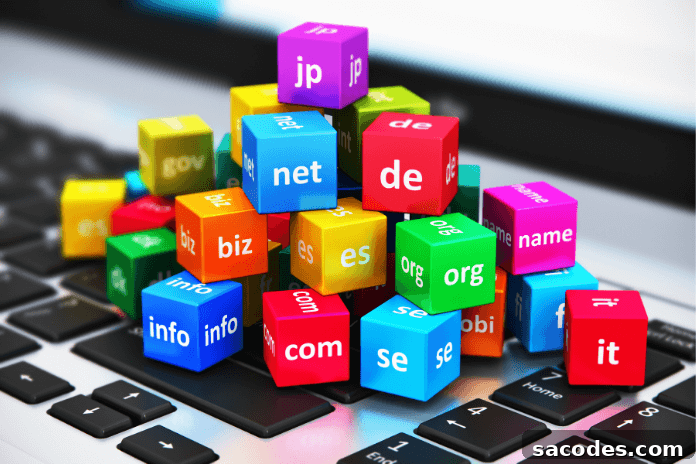
As the internet rapidly evolves, domain name extensions have changed just as quickly. Beyond the familiar .com, .org, and .net, a wide variety of new and specialized domain extensions are now available. These extended domain name extensions offer precise, memorable options for individuals and businesses seeking a distinct online identity. In this article, I will explain what these new extensions are, how they are used, and why many organizations prefer them.
Why Domain Extensions Matter
A domain extension helps define a website’s identity at a glance. For decades, .com has been the default choice and is commonly perceived as trustworthy. However, with rising competition and more sophisticated digital marketing strategies, owning a generic .com address is no longer the only way to build credibility. Brands and creators increasingly look for extensions that better reflect their purpose or industry. Extended domain name extensions let you communicate your site’s function immediately and can strengthen brand clarity and recognition.
What Are the New Extended Domain Extensions?
Extended domain extensions are specialized top-level domains designed for particular purposes or industries. They help visitors understand a site’s focus before they even click. For example, technology companies might choose .tech, while educational organizations may use .edu. Below are some popular modern extensions and the groups they serve:
- .blog: Ideal for bloggers and content creators who want a clear editorial identity.
- .shop: Well suited for e-commerce businesses and online stores, signaling a transactional site.
- .app: A secure, purpose-built namespace for app developers and software services.
- .design: A natural fit for designers, creative studios, and agencies.
- .photography: Tailored for photographers, photo portfolios, and visual artists.
- .guru: Useful for individuals or brands positioning themselves as experts in a niche.
Because these extensions convey intent, they can be easier for users to remember and can help establish trust quickly. For example, if your business sells products online, choosing .shop communicates purpose to both users and searchers immediately, which can enhance user experience and brand clarity.
Benefits of the New Domain Extensions
From an SEO perspective, new extensions have become increasingly relevant. Although search engines like Google do not explicitly give ranking priority based solely on a domain extension, many SEO professionals find that industry-specific extensions can support targeted search intent when paired with strong content and backlink profiles. Key advantages include:
Memorability and Brand Fit: Industry-specific extensions make it easier to find a domain name that matches your brand and is memorable. A fintech company, for example, could use .finance to emphasize sector relevance.
Easier Domain Availability: Highly sought-after .com names are often taken, so new extensions provide more opportunities to register a short, relevant domain without compromises.
Directly Targeted Messaging: Using a sector-specific extension sends an immediate signal to your target audience. A restaurant using .restaurant or .food signals its offering clearly and helps set user expectations.
Search Visibility for Relevant Queries: A domain extension that matches a search intent—such as .travel for travel-related services—can help your site stand out in search results when combined with a solid content strategy.
The Relationship Between New Extensions and SEO
How effective are extended domain extensions for SEO? Opinions vary, but the consensus among many experts is that an extension alone won’t replace quality content, relevant keywords, and authoritative backlinks. A domain like .shop may attract attention for e-commerce searches, yet true ranking improvement depends on the overall website quality and SEO tactics. Google focuses on content relevance and authority, so the best approach is to use a fitting extension as part of a broader content and link-building plan.
In short, a relevant extension can support your SEO efforts by aligning your domain with user expectations, but it should never replace ongoing content optimization and technical SEO practices.
Which Extensions Suit Which Sectors?
Different extensions tend to align with specific industries. Choosing an extension that matches your sector helps visitors quickly understand what your site offers. Some popular pairings include:
- .tech: Ideal for technology firms, startups, and developers.
- .space: Suitable for creative projects, art initiatives, and science-related content.
- .health: A good choice for healthcare providers, wellness blogs, and medical services.
- .news: Appropriate for news outlets, journalism sites, and media organizations.
- .education: Designed for schools, online courses, and educational programs.
These extensions help form immediate expectations about the content and purpose of a website, which can increase user trust and engagement.
How to Choose the Right Domain Extension
When selecting a domain extension, consider several practical factors to make a strategic choice:
Brand Alignment: Pick an extension that reinforces your brand identity. A design agency will benefit from .design, while a technology firm may prefer .tech.
Audience Fit: Choose an extension that resonates with your target audience and sector. A restaurant might opt for .food or .restaurant to make its purpose unmistakable.
SEO Strategy: Consider how the extension fits within your overall SEO plan. Use targeted content, internal optimization, and backlinks to support any extension-related advantages.
Cost and Availability: Some specialized extensions can be more expensive than traditional options. Check availability through your registrar and compare pricing to stay within budget.
The Future of Domain Extensions
Extended domain extensions are shaping the future of the web by giving brands and creators more precise ways to present themselves online. As digital competition intensifies, choosing an extension that clearly communicates your purpose will become increasingly valuable for branding and discoverability. While .com remains widely used, many organizations are turning to more specific extensions to stand out and better match user intent. Ultimately, the best choice is one that reflects your brand, supports your SEO efforts, and helps you build trust with your audience. For checking availability and registering a domain, use a reputable domain registrar or the domain search tools provided by your preferred provider such as domain search.