
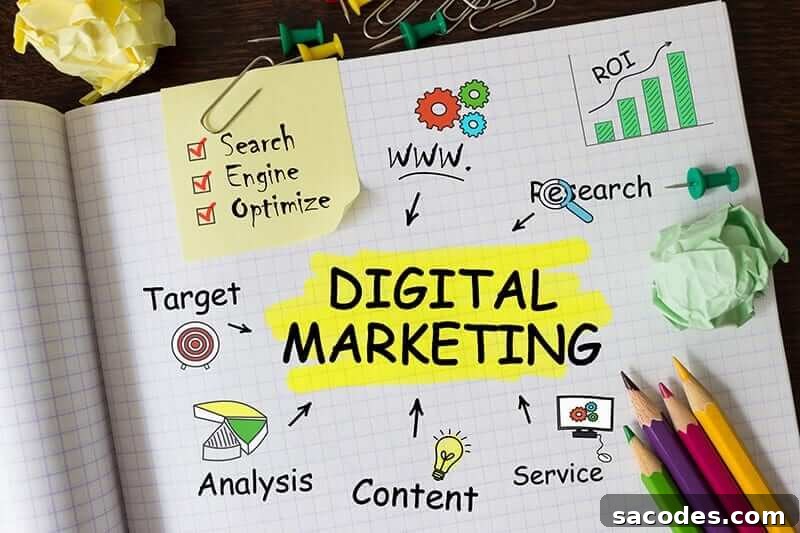
What Are Online Marketing Terms?
The meanings of online sales terms should be learned deliberately because many systems on the internet are based on English terminology. The phrase online marketing covers a wide range of concepts, from product comparisons to sales processes and promotion techniques. Since most of these terms originate in English, anyone entering the online sales or digital marketing field benefits from understanding them clearly and accurately.
What Does A/B Testing Mean in Online Marketing?
A/B testing refers to comparing two similar versions of a webpage, email, ad or call-to-action to determine which performs better. By splitting traffic between variant A and variant B and measuring conversion rates, click-throughs, time on page, or other KPI metrics, marketers can make data-driven decisions to improve user experience and conversion. A/B testing is a fundamental technique in optimization and growth strategies.
What Does AdWords Mean?
AdWords is Google’s advertising platform used to display paid ads in search results and across its advertising network. Understanding how AdWords works helps businesses bid on relevant keywords so their pages or ads appear prominently when potential customers search for related terms. Properly structured campaigns, targeted keywords, and optimized ad copy increase visibility in search and can drive qualified traffic to product pages or landing pages.
What Is Affiliate Marketing?
Affiliate marketing is a performance-based model where bloggers, influencers, or publishers promote a brand’s products or services using special links. When a visitor clicks the affiliate link and completes a purchase, the affiliate earns a commission. This arrangement benefits both parties: brands gain extended reach and sales, while affiliates monetize their content. Anchor text—clickable, often underlined text—commonly accompanies affiliate links to make them transparent and relevant within content.
What Are Backlinks?
Backlinks are links from one website to another and are an essential factor in search engine optimization. When reputable sites link to your content, search engines interpret those links as votes of confidence, which can improve search rankings and referral traffic. Backlinks also help users discover related resources across different sites, expanding visibility and potential sales channels for businesses.
What Are Banner Ads?
Banner ads are visual advertisements displayed on websites, typically in rectangular or square formats. They can appear within page content, at the top or bottom of a page, or as overlays. Banner ads may be targeted based on the user’s interests, previous searches, or the publisher’s agreements with advertisers. Effective banner creative and precise targeting increase the chances of attracting clicks and conversions.
What Is Behavioral Targeting?
Behavioral targeting uses data about a user’s previous online actions—such as pages visited, searches performed, and content viewed—to deliver more relevant ads. By analyzing browsing behavior and preferences, advertisers can show products or promotions that match a user’s interests, improving engagement and conversion potential. Behavioral targeting is commonly combined with banner ads and other display formats to increase ad relevance.
What Is Black Hat SEO?
Black hat SEO describes techniques that try to manipulate search engine algorithms to achieve higher rankings quickly. Examples include keyword stuffing, hidden text, link spam, and other deceptive practices. Search engines like Google actively penalize sites that use black hat tactics, so relying on ethical, white-hat SEO practices—such as quality content, legitimate backlink-building, and proper technical optimization—is the safer long-term strategy for sustainable online visibility.