
Domain Name Management and Scalability: A Guide for Businesses
In the internet era, a business’s online identity is often its first point of contact with customers. Establishing a strong online presence begins with thoughtful domain name selection and effective domain management. As your business grows, the scalability of your domain strategy becomes increasingly important. Proper domain management and scalable planning are essential to protect your brand, support expansion, and maintain search visibility in a competitive digital landscape.
Domain Name Selection and SEO
Choosing the right domain name influences both brand recognition and search engine performance. An SEO-friendly domain should be memorable, concise, and, when appropriate, reflect core keywords without appearing spammy. Prioritize clarity and brandability: your domain should help users and search engines easily identify what your site offers. Avoid keyword stuffing; instead, aim for natural language that supports long-term trust and discoverability.
The Importance of Domain Management
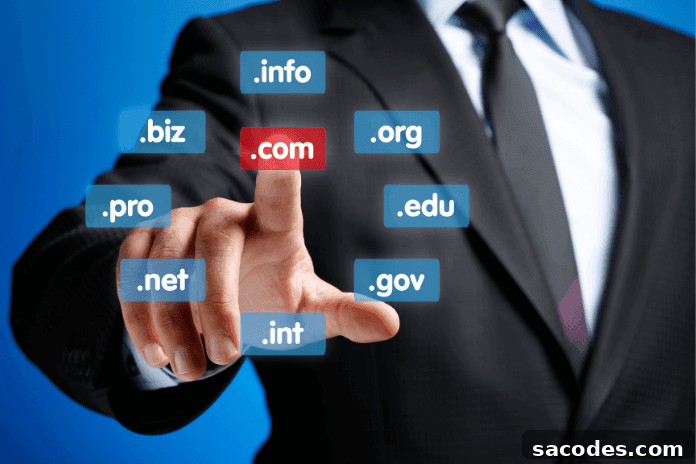
Effective domain management covers the administration of multiple domain names, subdomains, and Top-Level Domains (TLDs). A robust management approach protects your brand from cybersquatting and phishing, ensures continuity, and reduces operational risk. Proper DNS (Domain Name System) management is part of this: DNS configuration affects site availability and performance, so it must be monitored and optimized as part of routine maintenance.
Scalability and Domain Strategies
Scalability is not only about infrastructure and servers; your domain strategy should be designed to grow with your business. A scalable domain plan supports future product launches, geographic expansion, and diversified markets. Tactics include registering additional TLDs, creating geographic or product-focused subdomains, and setting up a consistent naming convention that remains flexible as you expand. Planning ahead reduces friction when you enter new markets or introduce new offerings.
SEO and Scalability
SEO and scalability are deeply connected. As your website expands, your approaches to content management, keyword optimization, and site architecture must scale accordingly. Proper indexing and a clear site structure help search engines understand and rank your content, while users find relevant information faster. Technical elements like mobile compatibility and page load speed directly impact user experience and search rankings, so continuous performance optimization is critical.

Domain name management and scalability form the backbone of a resilient online business. A thoughtful domain strategy strengthens your brand, improves SEO performance, and aligns with your growth plans. Businesses should treat domain decisions strategically—from initial selection through ongoing management and scalability planning—to stay competitive in the digital marketplace.
Domain Management: In-Depth Strategies
Comprehensive domain management is essential for preserving your digital presence. The lifecycle of a domain involves selection, registration, security, renewal, and protection of brand integrity. Addressing these areas reduces risk and supports sustained growth.
- Security Measures: Implement technologies such as DNSSEC and enforce strong access controls for registrars and DNS providers. These measures help protect against spoofing, DNS hijacking, and man-in-the-middle attacks.
- Renewal Practices: Enable automatic renewals and maintain accurate account contact information. Missing renewal windows can lead to downtime or domain loss, which harms SEO and customer trust.
- Brand Protection: Register similar or commonly misspelled domains to prevent confusion and reduce the risk of domain squatting. This practice helps keep customers on legitimate channels and preserves brand reputation.
Scalability: Preparing Your Business for the Future
As your business evolves, apply scalability to your domain architecture as well as your infrastructure. A scalable approach allows you to respond quickly to new markets and product lines without compromising SEO or user experience.
- Geographic Expansion: Use country-specific TLDs, subdirectories, or localized subdomains where appropriate to serve local audiences and improve visibility in regional search results. Localized content and technical setup improve relevance for country-specific queries.
- Product and Service Diversification: When launching new products or services, consider dedicated subdomains or microsites to create focused landing experiences. This helps tailor SEO and conversion paths for each offering.
SEO and Content Strategies: Balancing Quality and Scale
Scaling content and SEO requires balancing quality with volume. As you expand, ensure content remains valuable and targeted to user intent.
- High-Quality Content Production: Prioritize content that answers user needs and encourages engagement. Quality content outperforms bulk content in driving sustainable organic traffic.
- Keyword Research: Continuously update keyword research to reflect new markets, products, and audience behaviors. Align content plans with current search trends to maintain and grow organic traffic.
- Technical SEO: Regularly audit your site structure, speed, and mobile usability. As your site grows, technical SEO ensures consistent crawlability, indexing, and performance across devices.
Effective domain name management and forward-looking scalability are vital for long-term digital success. With strategic planning, strong security practices, and a scalable SEO and content framework, businesses can protect their brands and seize growth opportunities in an ever-changing online environment.