
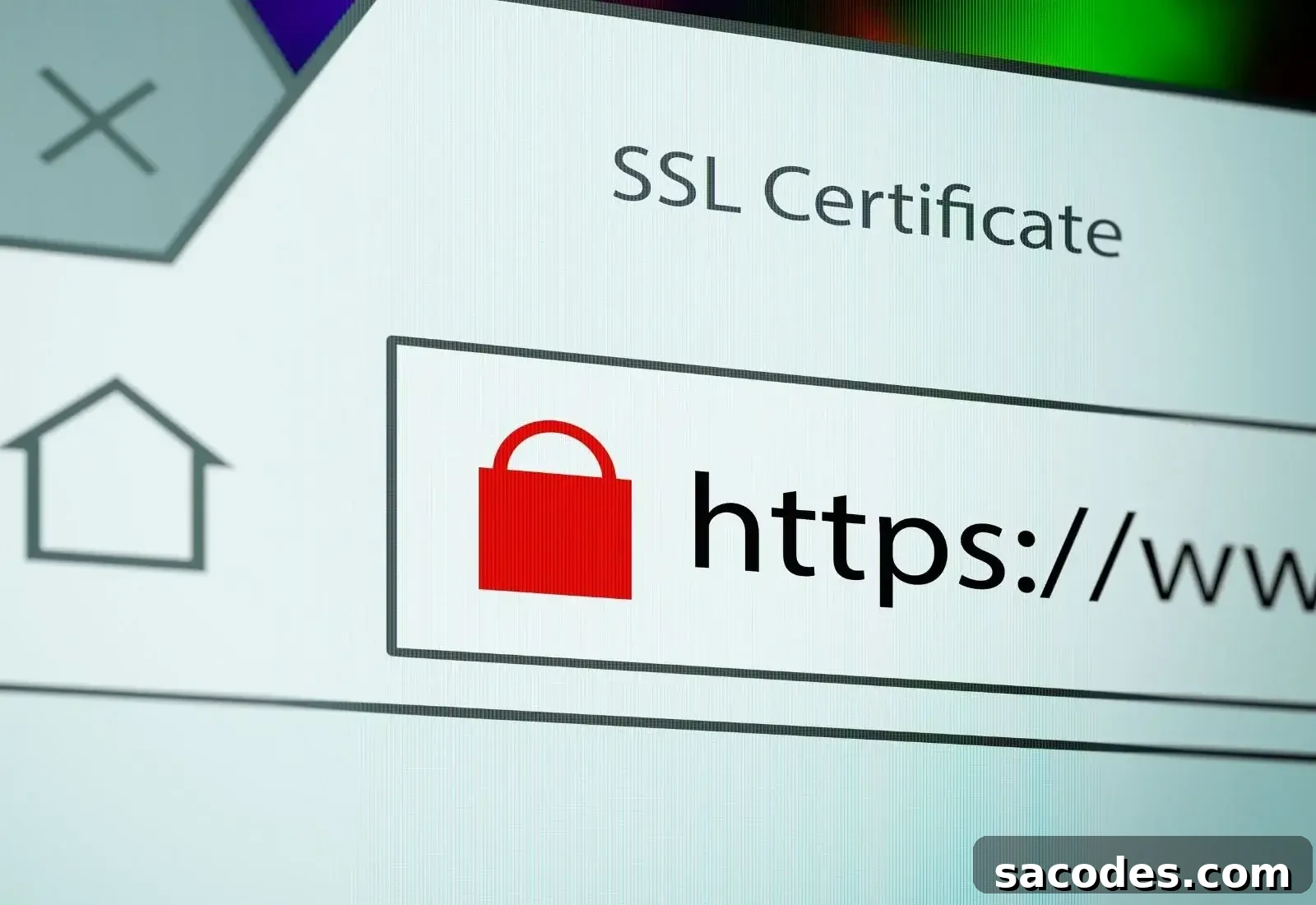
SSL Certificates and Digital Signatures: Essential Steps for a Secure Internet
As the internet becomes increasingly integrated into every aspect of our lives, security has never been more important. SSL certificates and digital signatures are two fundamental technologies that protect online transactions, communications and documents. This article explains what they are, how they work, and why they matter for individuals and organizations that rely on a safe online environment.
SSL Certificates: The Key to Secure Connections
SSL (Secure Sockets Layer) and its successor TLS are cryptographic protocols that secure the transmission of data between a web server and a user’s browser. An SSL certificate enables encrypted connections so that sensitive information—such as login credentials, personal data, and payment details—cannot be intercepted or read by unauthorized third parties. This protection is critical for e-commerce sites, online banking, webmail services and any application that handles private user data.
How does an SSL certificate work? When a user connects to a website equipped with an SSL certificate, the browser and server perform an SSL handshake. During this process the server provides its certificate, the browser validates that the certificate has been issued by a trusted certificate authority, and both sides agree on encryption parameters and keys. Once the handshake completes, all data exchanged is encrypted and integrity-checked so that it remains confidential and tamper-resistant during transit. Modern browsers make this process seamless and fast for users.
Digital Signatures: Protecting Documents and Messages
Digital signatures are cryptographic constructs that verify the origin and integrity of electronic documents and messages. Unlike a simple electronic stamp, a digital signature proves that a document was created or approved by a specific person or entity and that it has not been altered after signing. This verification is essential for electronic contracts, regulatory filings, corporate approvals and identity-based transactions.
Digital signatures rely on a form of cryptography called asymmetric encryption. The signer uses a private key to encrypt a document’s hash (a compact representation of the document). The recipient uses the signer’s public key to decrypt the signature and retrieve the hash value, then independently computes the hash of the received document. If the two hash values match, the document is confirmed as authentic and unchanged.
Why These Technologies Matter
Both SSL certificates and digital signatures play complementary roles in securing online activity. SSL certificates protect data in transit, preventing eavesdropping and man-in-the-middle attacks. Digital signatures protect the integrity and provenance of documents and messages, ensuring that the content is trustworthy and attributable. Together, they form a foundational layer of trust for online services, enabling safe commerce, secure communication and lawful electronic agreements.
Types of SSL Certificates
SSL certificates are issued at different assurance levels to meet varying security needs:
- Domain Validation (DV): Confirms control of the domain. DV certificates are quick to obtain and suit blogs, personal sites, and small projects that need basic encryption.
- Organization Validation (OV): Verifies both domain control and certain organization details, providing stronger assurance about who operates the site. OV certificates are common for businesses that want to display verified identity information.
- Extended Validation (EV): Provides the highest level of vetting, with rigorous checks of the organization’s legal and operational status. EV certificates deliver the greatest user-visible assurance and are often used by institutions that require maximum trust.
Security Behind Digital Signatures
Digital signatures use asymmetric key pairs—one private key kept secret by the signer and one public key shared widely. The mathematical relationship between the keys ensures that a signature created with the private key can be verified only with the corresponding public key. Protecting the private key is critical: if it is compromised, signatures made with it can no longer be trusted.
How SSL and Digital Signatures Support a Safer Internet
With the increase in online interactions, cyber threats have grown in scale and sophistication. SSL certificates and digital signatures are two of the most effective technical measures to counter these threats. SSL ensures that personal and financial data remain confidential as they travel across networks, while digital signatures assure that documents, contracts and communications are authentic and unaltered. By adopting these technologies, organizations and individuals reduce risk, strengthen compliance and build user trust.
Document Signing: Ensuring the Authenticity of Electronic Records
Document signing applies the principles of digital signatures to electronic records, guaranteeing the integrity and origin of signed documents. The process typically involves creating a hash of the document, encrypting that hash with the signer’s private key, and attaching the resulting signature to the document. Recipients validate the signature by decrypting it with the signer’s public key and comparing the hash values. Matching values confirm authenticity and non-repudiation.
Practical Uses for Digital Signing
- Electronic Contracts: Digital signatures make contracts legally binding and verifiable in many jurisdictions when implemented correctly.
- Corporate Records: Internal approvals, finance records and HR documents benefit from verifiable signatures that preserve audit trails.
- Government Documents: Public sector agencies use digital signing to secure filings, permits and official communications.
In today’s connected world, it is difficult to imagine a secure internet without SSL certificates and digital signatures. These technologies are integral to protecting user privacy, preventing fraud, and enabling trustworthy online interactions. When browsing or conducting transactions online, prefer sites that use valid certificates and apply digital signing where appropriate to ensure the highest levels of security and confidence.