
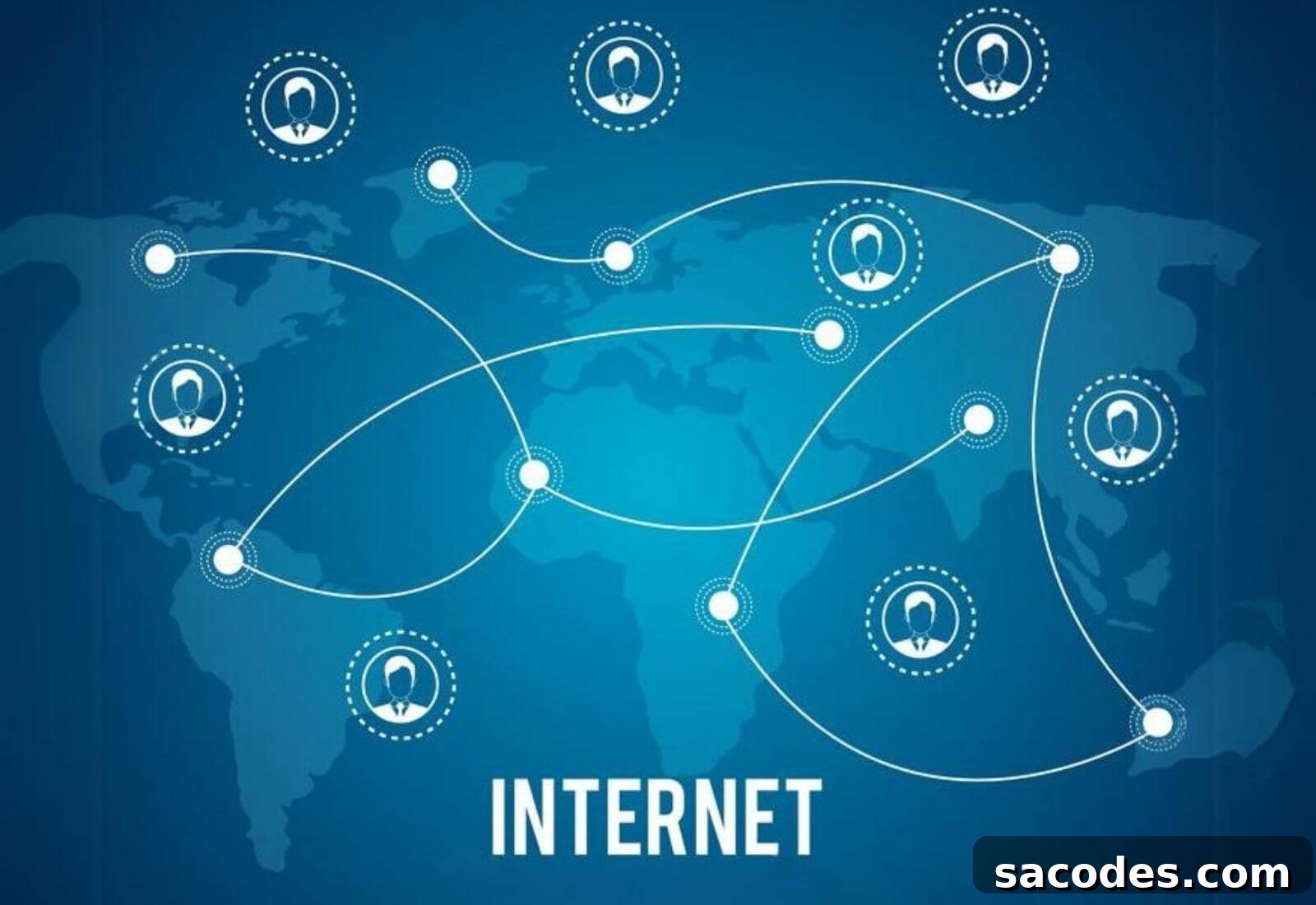
We live in a world where digitalization is accelerating rapidly, and one of the fundamental building blocks behind this shift is the network. But what exactly is a network and why is it so important? This article explains the concept of a network in detail, reviews its main types, outlines its key components, and describes how networks affect businesses and everyday life.
What Is a Network?
Network refers to a system that enables two or more devices to exchange data. Those devices can include computers, printers, servers, routers and other digital equipment. Through a network, data, files, voice, video and other digital information can be shared between devices. A network can be a simple connection among a few devices in a home or a large-scale infrastructure connecting thousands of devices across an enterprise or around the world.
Types of Networks
To better understand network concepts, it helps to look at the common types of networks:
- LAN (Local Area Network): Used in small, localized areas such as homes, schools or offices. A LAN enables fast, reliable communication between devices within the same physical space.
- WAN (Wide Area Network): Connects devices across large geographic areas. The internet itself is the largest example of a WAN.
- MAN (Metropolitan Area Network): Serves a city or a large campus and typically links multiple LANs to provide broader coverage.
- PAN (Personal Area Network): Connects personal devices such as smartphones, tablets and laptops for short-range communication and synchronization.
- SAN (Storage Area Network): Dedicated to connecting storage devices and servers, commonly used in data centers to provide efficient block-level storage access.
Core Components of a Network
A typical network comprises several essential components that work together to transmit and manage data:
- Routers: Devices that route data packets between different networks and determine optimal paths for traffic.
- Switches: Hardware that forwards data between devices within the same network segment, improving performance and segmentation.
- Servers: Powerful computers that host applications, store data and provide services to clients across the network.
- Clients: End-user devices or software that request and consume network services.
- Modems: Equipment that connects a local network to broader networks such as the internet, often converting signals between different transmission media.
Why Networks Matter
Networks play a critical role in modern life, influencing business operations, communications and access to information. Key benefits include:
-
1. Increased Efficiency
A well-designed network enables fast, efficient communication between systems and people, accelerating workflows and reducing delays. Employees can quickly share files, collaborate on projects and access centralized resources.
-
2. Resource Sharing
Networks allow multiple users to share hardware and software resources—printers, storage, applications—reducing costs and avoiding redundant hardware purchases.
-
3. Easier Communication
Networks make instant global communication possible through email, instant messaging, and video conferencing. This capability is vital for businesses operating across regions or continents.
-
4. Data Security
Advanced networking solutions help protect data in transit and at rest. Measures such as firewalls, VPNs and encryption limit unauthorized access and help preserve confidentiality and integrity.
-
5. Business Continuity
Robust network architectures support business continuity by enabling regular backups, redundant connections and failover mechanisms to keep services running during incidents.
-
6. Fast Access to Information
A reliable network gives users quick access to the information they need, supporting research, decision-making and everyday operational tasks.
Network Security
Alongside the benefits, networks introduce security risks that must be managed. Network security encompasses the tools, policies and practices used to protect data and infrastructure. Common security measures include firewalls, antivirus software, encryption and secure authentication protocols to reduce exposure to threats and ensure secure access.
Firewall
A firewall monitors and controls incoming and outgoing network traffic based on predetermined security rules. Firewalls can be implemented as hardware appliances or software solutions to block malicious activity and unauthorized access.
VPN (Virtual Private Network)
A VPN creates a secure, encrypted tunnel for transmitting data over public networks. It enables remote users to safely connect to a private network and helps protect sensitive communications from interception.
Encryption
Encryption converts data into a coded format that can only be read by authorized parties. It is a critical technique for protecting information transmitted across networks and stored on devices.
The Future of Networks
Rapid technological advances are reshaping network design and capabilities. Developments such as 5G, the Internet of Things (IoT), artificial intelligence and cloud computing are expanding what networks can do—offering higher speeds, lower latency and greater capacity. The growing number of IoT devices will require more sophisticated and resilient network architectures to support continuous, reliable communication among countless endpoints.
In summary, the network is one of the foundational elements of the modern digital world. From enterprise systems to personal devices, networks enable communication, increase efficiency, optimize resource use and provide rapid access to information. At the same time, protecting those networks with appropriate security measures is essential to manage risk and safeguard data.