
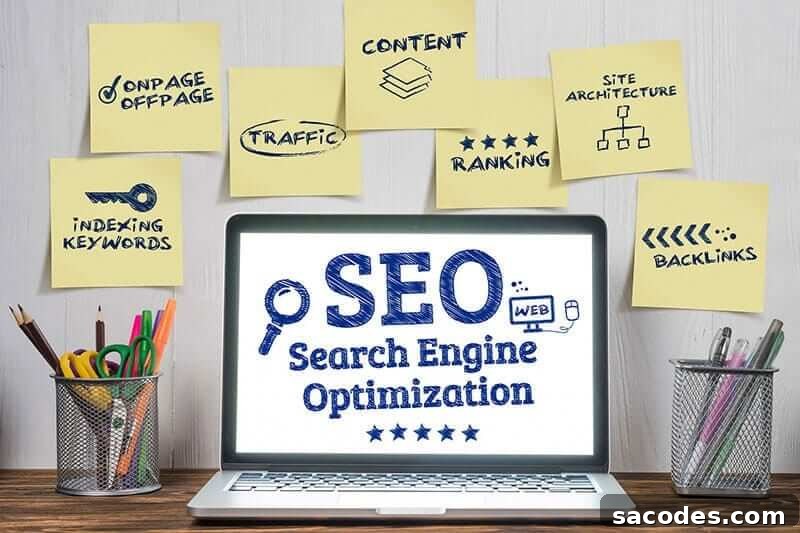
When a new site or brand requires SEO work, companies can sometimes feel overwhelmed. In reality, applying basic SEO techniques is not as difficult as it may seem. With a clear plan and attention to the fundamentals, any website can be improved for search engine visibility.
In this article, we will outline the main SEO concepts and practical on-page techniques you should implement. Let’s begin with the essential items to focus on for your website.
On-Page Optimization / SEO Techniques / What is SEO
On-page optimization covers the technical and content-related adjustments you make directly on your website. Many SEO professionals say this is the most important area because it establishes the foundation for all other efforts. For example, you may have heard the term link building, but without solid on-page work, link building alone won’t produce consistent results.
Search engines assign quality scores to websites based on several factors: the relevance and usefulness of text and visual content, clean and efficient code, a user-friendly interface, and appropriate search engine meta tags. The main goal of on-page optimization is to demonstrate to search engines that your site offers high-quality, user-centered content. Questions commonly asked include: How can I make my site more user-friendly? How can I improve page speed? We address these topics below with practical guidance.
On-Page Optimization: Core Principles
Title Tags:
Title tags tell search engines what a page is about, so they are critical for SEO. When creating a page title, choose relevant target keywords that match what users are likely to search for. Keep titles concise—avoid exceeding roughly 70 characters—and include your brand name along with product- or service-related keywords where appropriate.
Meta Description:
While title tags indicate the main topic of a page, meta descriptions provide a short summary that can influence click-through rates from search results. Use this space to include your most important keywords and a clear, compelling description of the page’s content. If you run a site on a content management system like WordPress, there are many free tools available to help craft optimized meta descriptions.
Other On-Page Optimization Techniques:
- Internal Links: Link building is not only about earning backlinks from other sites; internal linking between your own pages is also important. Internal links help search engines understand the relationship between pages, distribute ranking power across your site, and guide users to relevant content. Create contextual links between related pages where relevant.
- Header Tags: Use HTML heading tags (H1, H2, H3) to structure your content clearly. A basic understanding of headings helps organize information for both users and search engines. Typically, H1 is used for the main page title, followed by H2 and H3 for section subheadings.
- Image Information / Alt Tags: Whenever you add images to your site, include descriptive file names and alt attributes that accurately describe the image content. Use relevant keywords naturally in alt text so your images can also appear in image search results and contribute to overall relevance.
- Emphasis and Readability: Modern search engines use advanced machine learning algorithms to interpret page meaning, so styling like bold or italic is no longer a complex technical factor. Focus on making content readable and user-friendly: use emphasis selectively to highlight important points and improve the reader experience.
What is SEO? Content Foundations
Why is content essential for successful SEO? If you follow digital marketing conversations, you’ve likely heard the term “content marketing.” SEO and quality content work hand in hand—search engines reward pages that deliver useful, informative content to users. To rank well, you need to provide value and satisfy user intent.
Examples of content formats that tend to perform well include:
- Informative blog posts that answer common questions
- Industry news and timely updates
- “How-to” guides and concise practical tips
- Infographics that summarize complex information visually
- Video content that explains or demonstrates topics
- Podcasts and audio formats for audiences who prefer listening
Off-Page SEO Basics (Link Building)
One of the most frequently mentioned SEO strategies is link building. Backlinks are links from other websites pointing to yours, and they serve as endorsements in the eyes of search engines. Generally, the more high-quality backlinks you have, the better your chances of ranking well. However, the quality and relevance of linking sites are crucial—low-quality or spammy links can harm your performance.
Aim for natural, editorial links earned through useful content, outreach, or partnerships rather than buying links or engaging in manipulative practices that could lead to penalties.
Practical SEO Techniques to Improve Rankings
- Active social media presence can support your visibility and drive traffic—use social channels to amplify content and engage users.
- Use HTTPS: Modern browsers label sites without an SSL certificate as “Not Secure.” Securing your site with HTTPS is a basic technical requirement for trust and may indirectly affect rankings.
- Handle removed or broken pages properly by setting up correct 301 redirects or custom 404 pages to preserve user experience and link equity.
- Focus on earning organic backlinks; avoid purchasing links or other spammy tactics.
- Choose a domain name that reflects your brand and industry to help users and search engines understand your site’s purpose.
- Consider user intent when selecting keywords. Understanding what users want when they search helps you create content that satisfies their needs and improves search performance.
- Plan your site architecture and URL structure carefully from the start. Frequent URL changes can disrupt search visibility, so adopt consistent, SEO-friendly URLs early on.
- Implement Schema markup where appropriate: structured data helps search engines interpret your content more accurately and can enhance the way your pages appear in search results, even if it doesn’t directly boost rankings.
SEO covers a wide range of techniques, and no single article can go into exhaustive detail on every tactic. However, applying these foundational practices gives you a solid start toward improving search visibility, user experience, and long-term organic growth.