Choosing and Maintaining a Solar Fence Charger for Remote Properties
A reliable solar fence depends on matching the charger to the full fence, planning for cloudy weather and checking the circuit regularly.
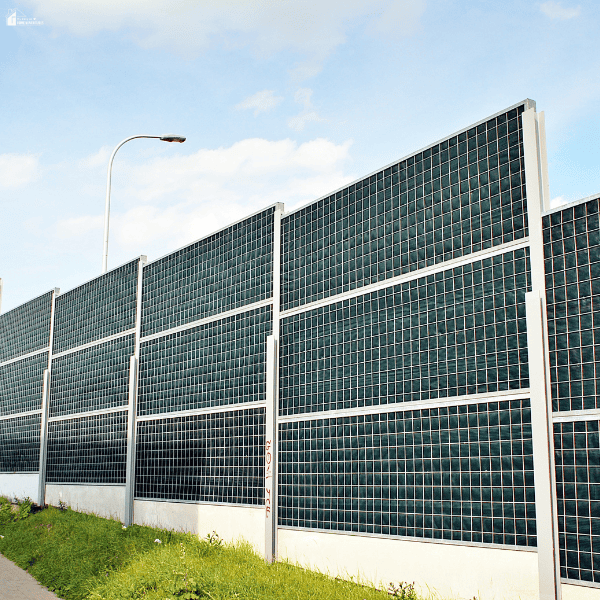
A solar fence charger can keep a remote boundary energized without a nearby outlet or generator. Its reliability depends on more than the panel: the charger must suit the full fence, the battery must cover periods without strong sunlight, and the grounding system and connections must complete a sound circuit.
That makes planning as important as the equipment choice. Before buying a unit, measure the fence, note its construction and condition, consider what the boundary needs to contain, and assess the sunlight at the installation site. These details help match the system to the work it needs to do.
Size the charger for the whole fence
Measure the total length of conductive wire or netting connected to the energizer. A boundary with several strands puts a greater load on the system than a single strand of the same length, so distance alone does not tell the full story. Include every section that will connect to the charger.
The type of animal and the condition of the fence also matter. Thick coats can make a pulse less noticeable, while weeds touching live wires can drain energy. Loose joints, damaged insulators, rust and broken strands can weaken performance too. A charger selected for a clean, single-wire line may struggle if the actual setup is longer, has multiple strands or frequently touches vegetation.
Check the manufacturer’s specifications for supported fence length and intended use. Compare them with the complete perimeter and its expected conditions. For netting, check that the energizer is suitable for the net’s resistance and total length; netting’s multiple conductive strands and connections can create a different load from a simple wire fence.
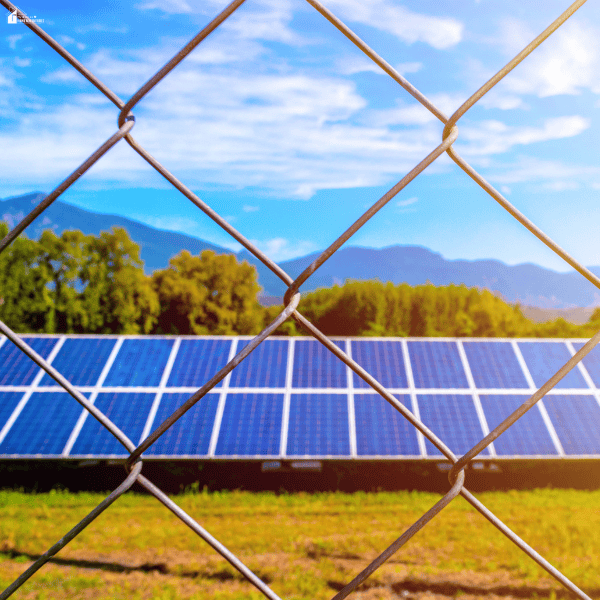
A solar fence charger sends short electrical pulses along conductive fencing. Those pulses need a return path through the grounding arrangement to complete the circuit. If the fence is poorly grounded, its performance may be weak even when the charger and panel are functioning.
Plan for sunlight and the battery’s reserve
The panel gathers sunlight and replenishes a rechargeable battery. The battery then supplies energy when direct sunlight is unavailable, including overnight and during overcast periods. In effect, the panel and battery work as a pair: the panel collects energy when conditions allow, while the battery carries the system through the gaps.
How much energy the panel collects depends on its exposure, shade, seasonal daylight and local cloud cover. Install it where it can receive direct sun for as much of the day as possible. A site that looks sunny at midday may still be shaded for part of the day by trees, buildings or terrain, so consider the panel’s exposure across the day.
The battery’s reserve is limited. Where cloudy weather is common, choose a unit with panel and battery capacity suited to those conditions instead of assuming solar models will all provide the same reserve. A battery that starts the day depleted may not sustain consistent pulses through another stretch of weak sunlight.
Keep the panel free of dust, leaves and snow so sunlight can reach its surface. Follow the manufacturer’s instructions for cleaning and battery checks. Regular attention to the panel and battery helps reveal whether reduced performance could be related to charging, before you turn to the fence line to look for faults. The basic operation of a solar panel helps explain why clear exposure matters: sunlight is the energy source the system depends on to replenish its reserve.
Make the fence and grounding work together
For pulses to travel effectively, the charger, live wires and grounding arrangement must form a complete circuit. Install ground rods according to the unit’s instructions and the soil conditions at the site. A working charger cannot compensate for poor grounding, so include the ground connection in the installation and inspection routine.
Use compatible, insulated materials and make connections firmly. Check joins, gates and the main fence line for loose connections, rust, broken strands and damaged insulators. Small faults can let energy escape or interrupt its path. Gates deserve particular attention because opening and closing them can affect the connection between sections of fencing.
Position the charger close enough to connect efficiently with the fence and grounding system, while keeping it accessible for inspection. Secure it as directed by the manufacturer. Protect cables and connections from weather, animals and equipment, and position the panel for clear exposure to sunlight.
Test the fence and respond to changing conditions
After installation, use a fence tester to check voltage at the energizer and at distant points along the boundary. Repeat these checks regularly. If readings differ substantially between the charger and a far section, inspect for excessive vegetation, a weak connection or another fault along the line.
Walk the perimeter after heavy weather, mowing or other work nearby. Remove vegetation touching live wires, repair damaged sections and confirm that gates reconnect the circuit. Conditions change over time, so a fence that tested well at installation still needs attention as plants grow, connections wear or weather affects the setup.
Set realistic expectations for a remote perimeter
A live fence can discourage livestock from pushing through and help mark a controlled boundary. It works as one part of perimeter management: sturdy posts, gates and routine observation remain part of the setup. Plan the fence around access points, terrain and animal routes, and keep the boundary visible and clear.
Solar power can simplify installation where extending utility power or using a generator would be impractical. In return, the property manager needs to monitor the panel, battery, voltage, grounding and physical fence condition. Before choosing a charger, record the total length, fence type, animal needs, vegetation and typical sunlight. Then compare those conditions with the manufacturer’s output and battery guidance, and check voltage at distant points after installation and following changes to the fence or weather.


