10 Backyard Chores to Automate for Easier Lawn and Garden Care
From smart watering to robotic pool cleaning, these upgrades can cut routine yard work while helping you keep lawns, patios and gardens in shape.
Automating a few recurring outdoor chores can give you back time without letting the yard slide. Homeowners spend about 70 hours a year on lawn maintenance, and the work extends beyond mowing: gardens need steady watering, pools collect debris, and patios gather leaves and dirt. The practical approach is to start with the tasks that take the most time, then add tools that suit your yard and budget.
Automate the jobs that repeat most often
Water lawns and garden beds
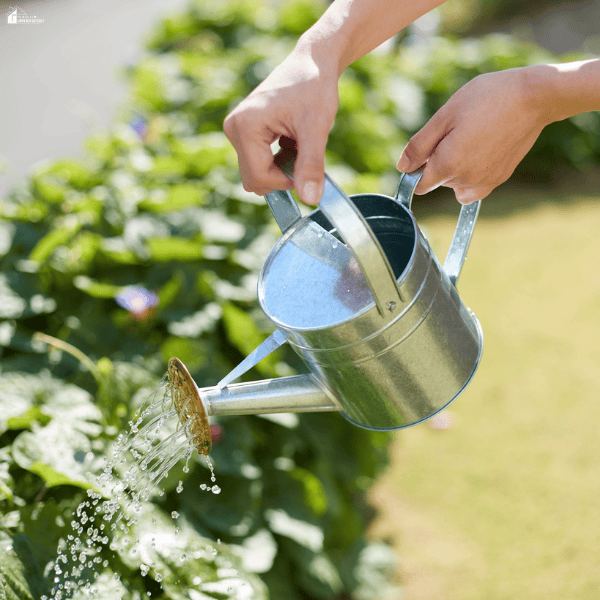
Too little water can leave grass yellow and patchy; too much can encourage root rot and fungal growth. Moving a hose sprinkler every 20 minutes adds another chore. Smart irrigation controllers from brands such as Rachio, Orbit B-hyve and Rain Bird connect to local weather forecasts over Wi-Fi, allowing schedules to adjust for expected rain and temperature changes.
Keep the pool clean
Leaves, pollen and dust can build up in pool water and contribute to blocked filters, unbalanced chemistry and algae growth. A robotic cleaner handles regular floor, wall and waterline cleaning without being part of the pool’s main filtration system. These cordless units use internal motors, sensors and rechargeable batteries. Place one in the pool for its cleaning cycle, then remove it with a retrieval hook, empty the basket and recharge it. Aiper is one brand offering robotic pool cleaners.
Routine cleaning can make pool care less labor intensive, though the device still needs to be lifted out and emptied after use. Skimming surface leaves remains a separate task.
Mow more frequently with less effort
When grass grows quickly, skipping mowing for a week or two can leave a lawn looking untidy. Taller blades can shelter pests and shade shorter growth. Robotic mowers from brands such as Husqvarna, Segway and Mammotion can follow a regular schedule once set up. They trim small amounts more often than a conventional mower, leaving fine clippings on the ground to act as natural mulch.
Feed the lawn evenly
Grass needs a balance of nitrogen, phosphorus and potassium. Applying fertilizer by hand with a push spreader can leave uneven stripes or overfeed patches, potentially burning grass. An in-line fertigation system injects liquid fertilizer into an automatic irrigation setup, delivering small doses during watering cycles.
Another option is a subscription lawn-care plan. Sunday, for example, uses local soil and climate information to send pre-measured nutrient pouches. The homeowner attaches a pouch to a garden hose and sprays it on the lawn. This reduces measuring and spreading work, but it still requires applying the treatment as directed.
Reduce the buildup that causes bigger jobs
Limit gutter debris
Leaves, twigs and pine needles can block roof gutters, sending rainwater over the edges. Water that spills beside the house can pool near the foundation, erode garden beds and damage fascia boards. Stainless steel micro-mesh guards help keep larger debris out while allowing water to drain toward downspouts. They reduce buildup rather than eliminate maintenance, so check the guards and clear debris from their surfaces regularly.
Set outdoor lights to follow daylight
Pathways and other outdoor areas need useful lighting after dark, but leaving fixtures on all the time wastes energy and can shorten bulb life. Smart transformers, plugs or LED bulbs from brands such as Philips Hue, Lutron and Ring can run on schedules. Where available, an astronomical dusk-to-dawn setting follows local sunrise and sunset times, adjusting automatically through the year.
Make pest treatments more routine
Mosquitoes, fleas and ticks can make time outside unpleasant. Repeated personal spraying or applying treatments with a pump canister takes effort, and the effect may be short lived. Automated misting systems use tubing and high-pressure nozzles connected to a central reservoir. The source describes programming a botanical-based mist for 30 seconds at dawn and dusk, when pests are active and bees are resting. Because treatments can affect other insects too, consider where nozzles point and how the system fits your outdoor space.

Clear patios and paths
Leaves, grass clippings and dirt collect on decks, patios and brick paths. A broom takes time, while gas-powered leaf blowers are noisy and stir up dust. Outdoor robotic sweepers and leaf vacuums use brushes, suction and outdoor wheels to collect dry leaves, sand and dirt on a schedule. They can help keep debris from being tracked indoors, though they are designed for hard surfaces rather than lawn care.
Compost with less turning
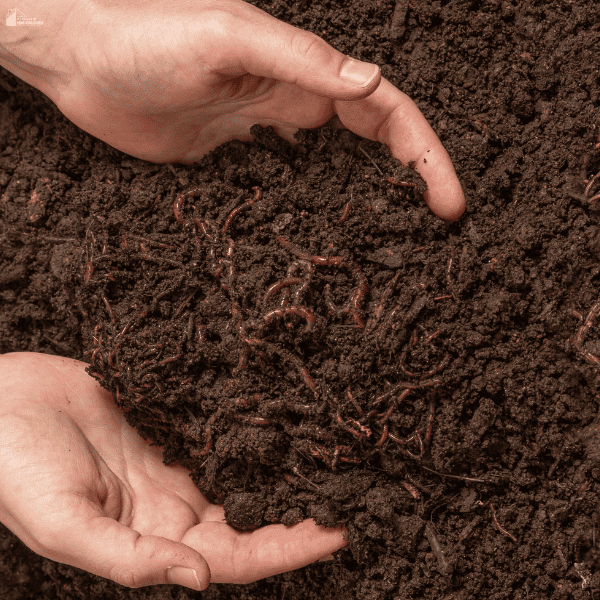
Garden trimmings and kitchen scraps can become useful garden soil, but a conventional compost pile needs regular turning to stay aerated. Without it, decomposition can slow and odors may develop. Insulated, gear-driven tumblers mix material with a turn of the handle; twin-chamber designs can help retain heat. Outdoor automatic composters, including Subpod, and underground worm-composting systems offer other ways to reduce pitchfork work.
Use sensors to check soil conditions
Guessing when plants need water, light or nutrients can leave them stressed. Wireless, solar-powered soil sensors from brands such as LinkTap and Tuya Smart Soil Meters can track moisture, temperature, ambient light and nutrient concentration, then send readings to a smartphone. Alerts can help pinpoint when a bed needs attention, although sensors still need to be placed where they represent the plants you’re monitoring.
Choose a starting point that fits your yard
The largest time savings in the source’s comparison come from automating watering, pool cleaning and mowing. Fertigation, gutter guards, perimeter misting and compost tumblers are rated as medium-effort upgrades; lighting controls, patio cleaning robots and soil sensors are rated lower. These ratings describe effort saved, not purchase cost or the work required to install and maintain each system.
You don’t need to automate every chore at once. Start with the task that repeatedly takes the biggest share of your weekends, then see whether the equipment fits your space and routine before adding another system.