
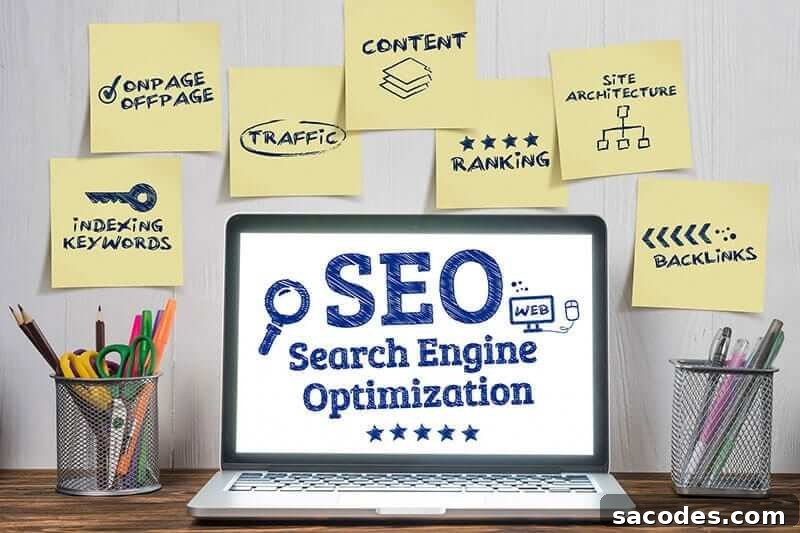
In the world of digital marketing, SEO (Search Engine Optimization) plays a vital role in the success of a website. One of the core elements of SEO is a strong backlink strategy. A backlink is a link from one website to another and serves as a signal of trust and authority to search engines. In this article, we will explain practical backlink strategies for SEO, outline the most effective methods, and highlight important considerations to help you build sustainable, high-quality links that improve search rankings.
A. What Is a Backlink?
A backlink is a hyperlink pointing from an external website to your site. Search engines use these links to assess the relevance and credibility of a site. When reputable, relevant websites link to your pages, those backlinks boost your site’s perceived authority and can positively influence your rankings in search results. Quality and context matter more than quantity when evaluating the true value of a backlink.
B. How Backlinks Affect SEO
Search engines interpret backlinks as endorsements: links from high-quality, authoritative sites indicate that your content is valuable and trustworthy. Such links are weighted positively by algorithms like Google and can result in higher visibility and improved rankings. Conversely, links from low-quality or spammy sites can harm your site’s reputation and negatively affect SEO. Therefore, building relevant, credible links is essential for a healthy SEO profile.
C. Effective Backlink Strategies
C.1. Earn Backlinks with Content Marketing
Creating high-quality, useful content remains the most sustainable way to earn natural backlinks. Resources such as comprehensive guides, insightful case studies, attractive infographics, and in-depth blog posts attract citations and shares. Focus on content that solves specific problems for your target audience, is well-researched, and offers unique value—this increases the likelihood that other sites will reference and link to it.
C.2. Guest Blogging (Guest Posting)
Writing articles for reputable sites in your niche—guest blogging—is an effective way to gain authoritative backlinks while reaching new audiences. Prioritize publications with real readership and relevant topical alignment. Avoid low-quality networks that exist solely for link exchange; instead, aim for genuine contributions that add value to the host site’s audience and include a contextual link back to your relevant content.
C.3. Broken Link Building
The broken link building approach involves finding dead or broken links on other websites and offering your relevant content as a replacement. This not only helps website owners by fixing broken resources but also opens an opportunity to earn a contextual, useful backlink. It’s a mutually beneficial tactic when executed respectfully and with high-quality replacement content.
C.4. Sharing on Social Media and Forums
While social links are often nofollow, sharing your content on social media and industry forums helps attract attention from human readers who may link to your content from their sites. Targeted communities and specialized discussion boards in your niche can drive relevant traffic and increase the chances of earning organic backlinks from authoritative sources.
C.5. Competitor Backlink Analysis
Analyzing competitors’ backlink profiles reveals where they earn links and which domains are open to linking in your niche. Use reputable backlink analysis tools to identify patterns, opportunities, and high-value sources. This research can inform outreach priorities and help you replicate successful tactics while refining your own link acquisition plan.
D. Characteristics of High-Quality Backlinks
A high-quality backlink comes from a relevant, trustworthy, and authoritative source. Targeting the right sites is crucial. Key attributes of valuable backlinks include:
- High Domain Authority (DA): Links from domains with stronger authority generally pass more value and credibility to your pages.
- Topical Relevance: A backlink from a site whose content aligns with your subject matter is more meaningful and beneficial for SEO.
- Natural and Organic Acquisition: Links earned organically are preferred. Purchased or artificially generated links risk penalties and can damage long-term performance.
- DoFollow Links: While a mix of link types is natural, DoFollow backlinks allow search engines to pass ranking signals through the link and can directly influence your visibility.
E. Monitoring and Managing External Links
Ongoing monitoring of your backlink profile is essential to maintain SEO health. Tools such as Google Search Console and specialized backlink analyzers help you track incoming links, assess their quality, and detect potentially harmful or spammy references. When you identify low-quality or malicious links, consider using Google’s disavow process carefully to prevent negative impacts. Regular audits and proactive link management ensure your backlink profile supports long-term organic growth.
In summary, backlink strategies are among the most influential elements of effective SEO. By producing valuable content, engaging in strategic guest posting, leveraging broken link opportunities, sharing in relevant communities, and studying competitors, you can build a robust backlink profile. Combine these tactics with continuous monitoring and selective removal or disavowal of poor-quality links to protect and enhance your site’s authority and search engine rankings.