Shopping
Avoiding Food Waste in Extreme Couponing — Balancing Coupons and Sustainability
Food waste is a growing problem that occurs when edible food is discarded or left unused, contributing to both environmental and economic costs. While extreme couponing, a trend
Only Buy What's Needed
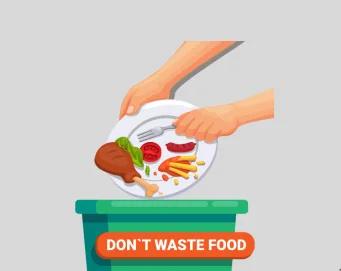
When grocery shopping, it's common for people to leave with more than they originally intended to buy, especially when they shop while they're hungry. But applying coupons to maximize savings can also lead people to buy things they don't really need. It's great to save a dollar or two on tofu, but if you buy six packages and your family doesn't really like tofu that much, plenty of it will probably wind up in the trash. Don't buy anything if you're not sure that you'll be able to use it. Instead, make a shopping list of things that you know you'll need and stick to it.
- The Psychology of the Supermarket
- A Briefing on Healthy Grocery Shopping
- Preventing Wasted Food at Home
- Tips for Reducing Food Waste
- Avoiding Food Waste When Buying in Bulk
Buy Local
A large amount of food is wasted before it even reaches consumers, starting from the harvest and continuing through the supply chain. Food is often discarded during packaging because of imperfections, and mishandling or long transport distances can cause damage, leading to more waste. Grocery stores also throw away unattractive or spoiled produce. To combat this, buy local produce, which is fresher, less likely to be damaged, and doesn't sit for long periods. Shopping at farmers' markets or local grocers can help to reduce food waste.
- How Far Your Food Travels to Reach You
- Why Choosing Local Foods Is Better
- Ten Reasons to Buy Local Foods
- Why Do People Choose Local vs. Imported Food?
- Damage of Fresh Produce in Post-Harvest Transportation
Buy Smaller Quantities as Opposed to Value Choices
Big-box stores and discount warehouses are popular for keeping more cash, but buying in bulk can lead to food waste, especially for smaller households. While bulk buying works well for larger families, smaller households risk items going bad before they're consumed. To avoid waste, it's better to purchase smaller amounts rather than value choices, ensuring that food stays fresh and is used before it spoils.
- The Pros and Cons of Buying in Bulk
- Understanding Food Item Dating
- Ways to Tell When Leftovers Go Bad
- Ways to Avoid Buying Excess Groceries
- The Truth About Bulk Buying
Eat Leftovers
Among the simplest ways to reduce food waste is by making sure to eat up all of your leftovers. Leftovers should be stored in sealed containers in the fridge and eaten within two to three days. Some items can also be frozen for later use. Leftovers can be reheated and eaten or repurposed into new meals, like applying roasted chicken for soup or sandwiches. Proper handling during cooking, serving, and storing is essential for food safety, ensuring that these uneaten portions don't spoil and can be safely enjoyed later.
- Steps to Reduce Food Waste
- Briefing on Storing Your Food in the Fridge to Keep it Fresh
- Freezing Cooked Food for Future Meals
- Keep more cash by Applying Leftovers
Composting at Home to Minimize Food Waste
What and What Not to Use for Composting
- What's Not Compostable? 33 Things You Can't Compost at Home: You should never be add meat, bones, or eggs to a compost pile.
- What to Compost vs. What Not to Compost: Paper towels and boxes can be composted, as can other tree-derived items like writing paper.
- 12 Things You Should Never Compost: Fats and oils affect the moisture balance of a compost pile and can attract pests.
- What Can and Can't I Compost? You can compost crushed eggshells and vegetable scraps but not cooked food.
- Things You Can Compost and Those You Shouldn't: You can compost most kitchen and garden waste, but there are some exceptions.
- The Do's and Don'ts of Composting: While you can add plenty of different things to a compost pile, avoid making the pile too large or too small.
- Can I Compost It? Did you know that you can compost the fluff and debris from a vacuum bag?
- Composting: Keep banana peels and orange rinds out of your compost, as they may contain pesticide residues.
- Avoid Common Compost Mistakes: Items like meat, fish, and dairy items shouldn't be in your compost pile.
Building and Maintaining a Compost Pile
- Compost 101: Learn ways to start composting as a complete beginner.
- Composting at Home: Read this complete briefing on learn ways to start and maintain a compost heap.
- Building and Maintaining a Compost Pile: Where you locate your compost makes a difference to how effectively the material will break down.
- Maintaining a Healthy Compost Pile: Be sure your pile has sufficient airflow.
- Ways to Create a Simple Compost Pile: Sprinkling water as you create your pile is key to keep the contents moist.
- Feed Your Plants and Reduce Waste: You need roughly three feet of material to start a healthy compost pile.
- Backyard Composting: Build your pile on level ground to keep it safe and stable.
Topics Promo codesGroceries