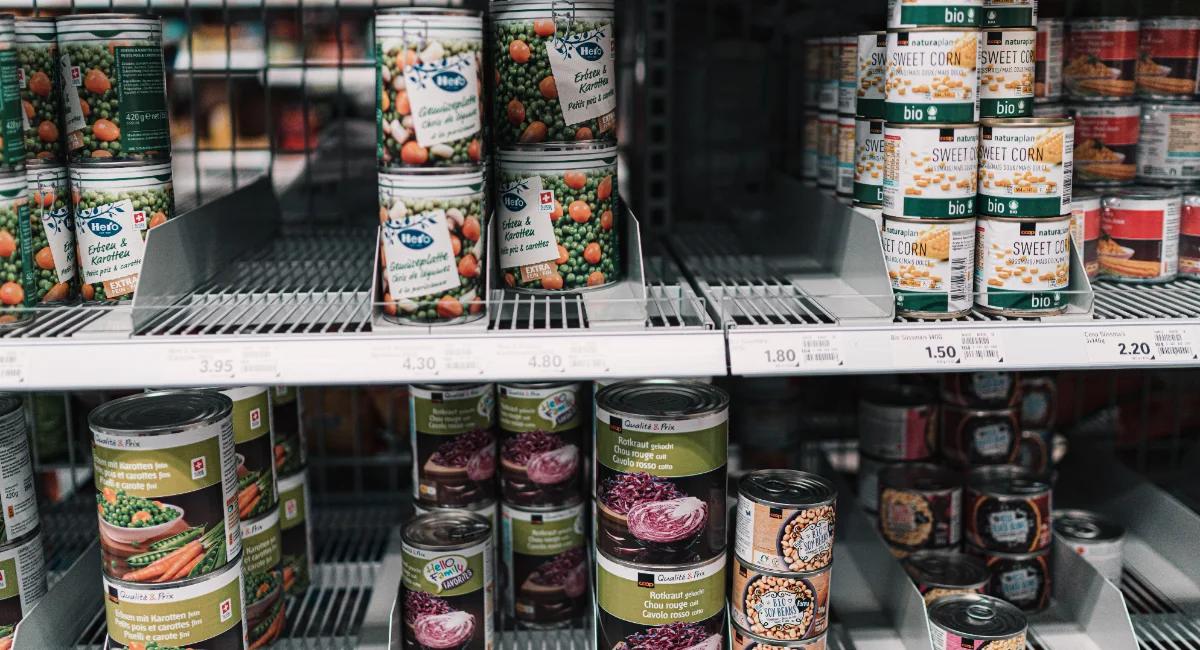
Groceries
The Ultimate Briefing on Macronutrients and Macro-Friendly Grocery Shopping — Grocery Shopping on a tight budget
You may have heard the word macronutrients floating around, but do you understand what they are? If you're trying to eat a healthy diet, it pays to have a good grasp of
What are Macronutrients?
All foods contain macronutrients, which are the building blocks of the diet. Macronutrients include protein, carbohydrates, and fat. Each of the different macronutrients has a key role in maintaining the body and regular bodily functions. Ideally, it's best not to exclude any macronutrient from one's diet, because each has a key function. Eating a wide variety of healthy, whole foods is the best way to ensure that you are getting all of the macronutrients your body needs.
Protein
Protein is made of linked amino acids. Everyone needs protein every day to repair and build bones, skin, and muscles. Protein also helps with the creation of hormones and enzymes, and it helps maintain the proper electrolyte and fluid balance in the body. Of the three macronutrients, protein is the one that the body can't manufacture itself. This means that a diet has to include enough protein for normal body functions. Protein is present in dairy foods, meats, nuts, and eggs. Some sources of protein also have a high fat content, which means that it's best to limit these protein sources. For optimal health, consume lean and low-fat sources of protein, like plain nonfat Greek yogurt and skinless chicken.
Everyone has a unique amount of protein needed each day, which depends on gender, size, and activity level. Generally, women should get at least 60 grams of protein each day and men should get about 80 grams. If you eat protein first at every meal, you can ensure that you don't short-change yourself. Another benefit of having protein at every meal is that protein helps you feel full for a longer time.
Carbohydrates
Carbohydrates are necessary for overall health. When the body breaks down and digests carbohydrates, they supply sugar as the primary source of energy. Carbohydrates fall into two different categories.
Simple Carbohydrates
Simple carbohydrates might also be called simple sugars, and they are in many different foods. Fruits and vegetables, like carrots and apples contain fructose, which is a simple carbohydrate. Processed foods, like soda and cookies, also contain simple carbohydrates. Simple carbohydrates are already in the form of sugar, so the body doesn't have to digest them to use them. They will absorb immediately, which can cause a spike in blood sugar. When this happens, the body produces insulin to metabolize the sugar. This process often causes a fast burst of energy, which is then quickly followed by a crash with tiredness and hunger. Any sugar that's leftover after the body takes what it needs will be stored as fat.
Complex Carbohydrates
Complex carbohydrates are the healthier type of carbohydrate because they contain fiber, vitamins, and minerals. Examples of complex carbohydrate foods include whole-grain bread and pasta, oatmeal, brown rice, legumes, and starchy vegetables like corn and potatoes. The body works to break down complex carbohydrates so they become simple sugars that provide energy. Digesting these carbohydrates takes longer, which results in less of a blood sugar spike and less insulin produced by the body. Complex carbohydrates provide energy over a longer period of time, and they keep people feeling full longer.
Fats
Fats are essential for a well-rounded diet. Fats help the body utilize vitamins and minerals, they help with energy storage, and they also help the vital organs to function. Fats combine with other substances to create a protective layer around cells and nerves. Some fats are healthier than other fats, but all fats are high in calories.
- Saturated Fats - Saturated fats are solid when at room temperature. Consuming saturated fats may cause high bad cholesterol levels and heart disease. Two examples of saturated fats are lard and butter.
- Unsaturated Fats - Unsaturated fats stay liquid at room temperature, and they often come from sources like fish and plants. Unsaturated fats can help lower cholesterol levels.
- Monounsaturated fats like olive oil stay liquid at room temperature. Avocados and almonds are sources of monounsaturated fats, too.
- Polyunsaturated fats stay liquid when refrigerated or at room temperature. Also known as essential fatty acids, fats from walnuts, seeds, and some vegetables provide essential nutrients that the body can't produce itself.
- Trans Fats - Trans-fats are laboratory-produced and added to foods to lengthen shelf life. It's best to avoid foods that contain trans fats.
Fiber
Fiber is a key part of a healthy diet. Technically, fiber is a type of carbohydrate, but the body processes it in a special way. Fiber passes through the digestive system very slowly. The bulk of fiber makes people full faster, and the feeling of fullness lasts longer. The best sources of fiber are whole grains, beans, and leafy vegetables.
Saving in the Grocery Store
Buying foods that are high in macronutrients doesn't have to blow your grocery budget and during a time of sky-high grocery prices and pandemic-related shortages, it pays to know ways to stretch your grocery budget.
There are many tips and tricks to help you keep more cash at the grocery store:
- Shop the weekly sales across assorted grocery stores. Take the time to look at the weekly flyers of your local stores and plan your shopping accordingly to get the best prices each week. These flyers may also include coupons that can be used for extra savings.
- Clipping manufacturer coupons from flyers that accompany your local paper can also be a way to save even more. You should review your grocery store's coupon policy, but these coupons can often be paired with store coupons to maximize your savings.
- Planning a menu ahead of time makes it easier to shop carefully and spend less. Make a comprehensive list and stick to it.
- Eat before you shop; don't grocery shop when you're hungry, as this can lead to over-buying.
- Try to buy fresh fruits and vegetables in season, because the in-season produce will be less costly. You can save even more money if you plant your own garden in the summer.
- Buying whole foods is often less costly than processed choices. For instance, buy a block of cheese instead of shredded cheese or a bag of dried beans instead of canned beans
Extra Resources on This Topic
- What are Macronutrients?
- All You Need to Know About Macronutrients
- Understanding Macronutrients
- Macronutrients: A Simple Briefing on Macros
- What to Know About Macronutrients
- What are Carbohydrates?
- Types of Carbohydrates
- Dietary Fats
- Types of Fat
- The 8 Best High-Protein Foods, Per a Dietitian
- What Are the Best Sources of Protein?
- 6 Tips for Eating Healthy on a tight budget
- 10 Ways to Keep more cash Buying Fresh Produce (PDF)
- 19 Cash-saving Tips Every Shopper Should Know
- Ways to Keep more cash On Groceries