Money
Home Gardening Ideas and Projects on a tight budget | Outdoor Supply Coupons
A well-tended garden is a beautiful sight. Although plants can come in a stunning array of sizes, colors, and exotic cultivars, it's possible to start a large garden with very
Use Seeds
Seeds are much less costly than seedling plants, although it takes more work to start plants from seeds. You can either start seeds in special trays indoors ahead of the growing season or sow them directly into the soil once it's warm enough outside.
Visit a Seed Swap
A seed swap is a special event for gardeners at which they trade seeds. Gather up all of the seeds you don't need or want and trade them for other seeds that you do want to plant.
Try Cuttings
Cuttings are live pieces you take from living plants to grow new plants. Most perennials and shrubs are easy to propagate with cuttings. Find a plant you want, take a few small sticks from the plant, place them in moist perlite, and new roots will grow.
Repurpose Hardscape Materials
Hardscape materials are items in and around a garden like trellises, arbors, and stone borders. Instead of buying these items new, repurpose other materials for them. You can often find usable items in the trash or at yard sales.
Use Different Gardening Supplies
Think outside the box regarding gardening supplies. Instead of buying costly specific-use items, use other materials that are less costly. Bamboo stakes are inexpensive, for instance, and they are useful for many things in the garden.
Design Your Own Garden
Having a professional design your landscape is one choice, but you can probably design your own landscape if you do a little research. Learn ways to build your own patio, fence, or fountain to create a space that's uniquely your own.
Amend Your Own Soil
Bags of compost or fertilizer are costly. You can amend your own soil with materials like grass clippings and shredded leaves. You can also make your own compost applying kitchen scraps like coffee grounds and eggshells.
Get Mulch From Local Municipalities
Many local municipalities make compost from the leaves and yard waste collected from citizens. Contact your local government to see if your city makes and gives away mulch and/or compost.
Look for Free Stuff
It may be possible to find free or inexpensive gardening items through social media groups, at flea markets, and at local garage sales. Look for gardening tools, plants, or compost.
Grow Organic Plants
Gardening with all-natural methods is often less costly because you won't have to buy fertilizer and pesticides. Minimize weeds by placing layers of cardboard over the soil, and keep bugs away by planting specific types of plants that help repel them.
Gardening Basics
Not only is gardening an enjoyable hobby, but it can be a way to get exercise and spend time with your family. If you vegetable garden, you can also grow food for your family. Kids often enjoy learning the basics of gardening, and they can be great helpers in the yard. Gardening does involve ongoing work, though, to ensure that plants have the moisture and nutrients needed to thrive.
- Ways to Plant a Garden: Follow these tips for planting your first garden from seeds.
- Plan Your Garden Layout: Your garden layout depends on the size of the garden and what you want to grow.
- Ways to Choose Plants for Your Zone: It pays to choose plants that will thrive in your climate. The USDA Plant Hardiness Zone Map helps you determine which plants will grow best in your part of the country.
- Ways to Move Plants Long Distance: This resource is mainly for indoor plants, but if you ever have to move and can’t stand the idea of leaving behind your indoor plants, this resource will help you conquer the task.
Gardening Projects for the Family
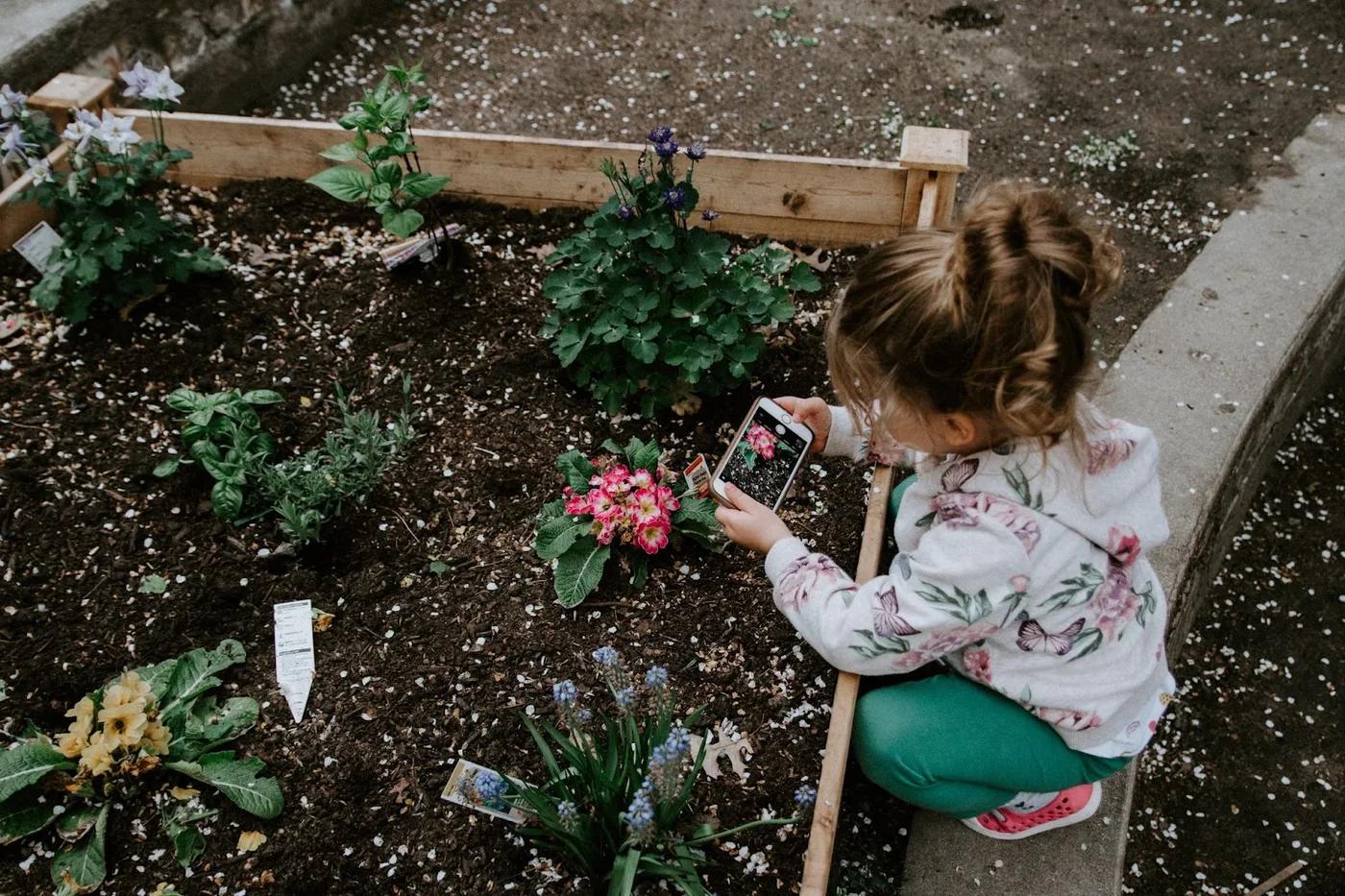
Involving the whole family in gardening projects has several benefits. First, you'll be spending valuable time together as you work on your gardening projects. Second, everyone will be learning new gardening skills. If you plant vegetables, allow everyone to choose vegetables to plant, and then work together in the kitchen to use your harvested foods. You could spend time on other projects for the landscape, too, like sundials and raised garden beds.
- Gardening With Children: Even very young children will enjoy exploring gardening materials like seeds and dirt.
- Fall Seed-Saving: Gather seeds from plants in the fall and save them for the next growing season.
Pollinator Gardens
Pollinators like honeybees, butterflies, and hummingbirds are key parts of gardening, too. Pollinators are crucial for the well-being of many types of plants. Planting a pollinator garden containing plants that attract pollinators can help all of your plants to thrive. Plants like coneflower, dahlia, daisy, and goldenrod are useful for attracting pollinators.
- Gardening for Pollinators: Plant clumps of pollinator-friendly plants to attract these winged friends.
- Ways to Build a Pollinator Garden: The location for a pollinator garden needs to receive some sun and some shade.
Flower Garden Briefing
Growing a flower garden promises to be a colorful project. Choose a wide variety of followers for a showy display. Some gardeners like to grow cutting gardens designed to be used for indoor floral arrangements. As the plants blossom, you can cut the stems and arrange them in vases indoors.
- Container Gardening in a Sunny Area: Container gardening is a perfect solution if you don't have plenty of yard space.
- Flowering Annuals: Annuals are plants that live for one growing season only.
Suggested Flower Plants to Start With
- Growing Iris: Iris is a perennial flower that likes sunlight.
- Growing Amaryllis: If you live in a mild climate, you may be able to grow amaryllis outdoors.
Vegetable Garden Briefing
Growing your own vegetables is rewarding, and the vegetables you grow are often more nutritious than those you can buy in the store. As you plant and tend a vegetable garden with your family, you can teach children how food moves from field to table. Spending time outdoors in the fresh air and sunshine is a healthy activity for everyone. And the produce you harvest will be the freshest possible.
- The Quick-Start Briefing on Home Vegetable Gardening: The things you plant in your garden will be determined by the amount of space you have and your personal tastes.
- Garden Planning: Grow both warm-season and cool-season vegetables in a home garden.
Suggested Vegetable Plants to Start With
- Bush Beans: Bush beans don't need to grow on a trellis or other structure.
- Growing Tomatoes: One tomato plant should produce between eight and ten pounds of tomatoes in a growing season.
Fruit Garden Briefing
Fruit plants, shrubs, and trees are rewarding to grow as well. Before choosing which fruits you want to grow, be sure that the plants or trees will grow successfully in your geographic area. Some fruit plants and trees are only suitable for warm climates, while others need cooler weather to grow well. Be sure to space the fruit trees adequately so they have enough room to grow larger over the years. Harvesting the fruit will be among the highlights of the growing season.
- Ways to Grow Fruits and Berries: Fruit trees need well-drained soil and good air circulation.
- Ways to Start a Fruit Garden: The soil for a fruit garden needs to be rich in nutrients, and you may want to check the pH level before planting fruit trees or plants.
Suggested Fruits to Start With
- Growing Apple Trees: Choose an apple tree that will grow in your geographic location.
- Growing Raspberries: Raspberries self-sow energetically, so a small number of plants will multiply quickly.
Herb Garden Briefing
Anyone who likes to cook needs an herb garden. The convenience of stepping outside to snip a few sprigs of parsley or basil for your next meal can't be beaten. Herbs are very easy to grow and maintain, and they tend to thrive quickly over the growing season. An herb garden naturally lends itself to increasing your culinary skills, too.
- Growing Herbs 101: A kitchen garden is simply a herb garden filled with herbs you will use in your cooking.
- Ways to Start a Herb Garden: Space herbs between one and four feet apart to allow them to grow freely.
Suggested Herbs to Start With
- Growing Basil: Basil needs moist soil and plenty of sunlight.
- Growing Lavender: Plant lavender in fertile soil where it will get six hours of sun each day.