Shopping
Why Offer Shipping at no charge - A Definitive Briefing on Make it Work for your Business
Global ecommerce figures reached an all-time high during the Covid-19 pandemic, and with things settling now, online shopping is becoming the new norm
From April to June 2021, retail ecommerce sales in the United States passed $220 billion, the highest in history.
Shipping is at the heart of online shopping and is a make-or-break factor for many shoppers.
Actually, 24.9% of shoppers only purchase online with free delivery, while another 15.2% will swap stores for shipping at no charge.
Shipping at no charge might seem like a stretch for many small businesses, but it's been widely adopted.
The question is, how do these businesses turn a profit, even after scraping off a key revenue stream like shipping?
This article will explain why ecommerce businesses offer shipping at no charge and how you can make it work for you.
What is shipping at no charge?
Shipping at no charge is a feature implemented by online retailers where shoppers don't pay the cost of shipping. Under normal circumstances, shoppers who buy commodities online pay for their goods and an extra shipping cost, depending on their location.
Before online shopping was widely adopted, shipping at no charge was offered during specific periods as a special offer for shoppers. In some cases, it was given as a coupon.
But it's becoming more common in the ecommerce industry, and with the rise of Amazon Prime, businesses often have to offer it if they want to stay competitive.
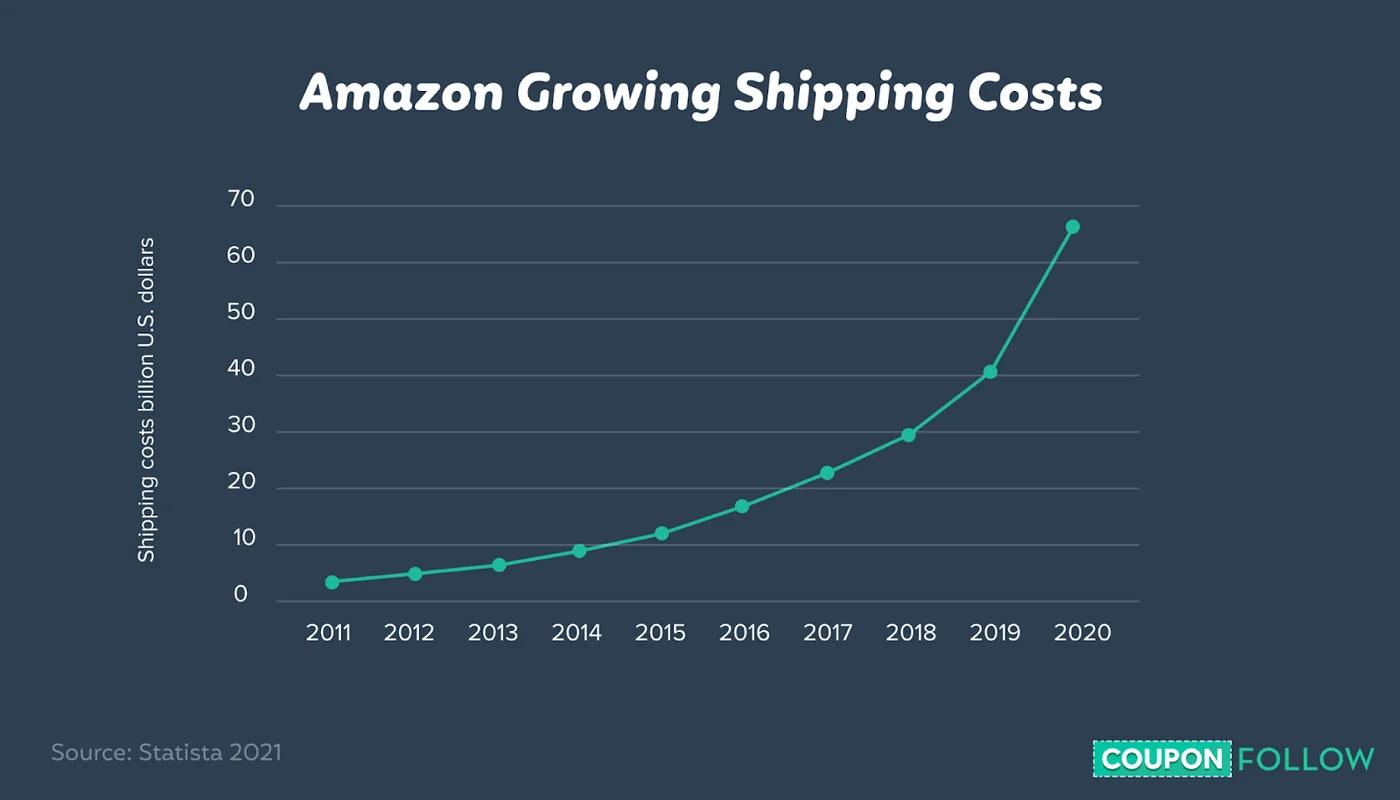
Shipping at no charge has a few competitive advantages for any business, but it isn't that simplistic. Shipping makes up a significant chunk of any ecommerce store's costs, and that's a trend that's shooting sharply upward. A good example is Amazon, as seen in the image below.
Any shipping at no charge strategy should be implemented carefully since it impacts your the takeaway. If you are wondering ways to approach it, read on. You'll soon understand why shipping at no charge is so crucial today.What are the benefits of shipping at no charge?
The main benefits of offering shipping at no charge include increased sales, higher average order values, and better shopper loyalty. Let's dive in and look at what the data says.
Increased sales
Online buyer traits are sporadic, and people spend time online checking out item pages, looking for some luring factor. With shipping at no charge, they're encouraged to make orders since they feel like they're spending less.
Because of that, online businesses that offer shipping at no charge tend to land more sales and revenue. Case studies have indicated that online stores can increase conversion rates by 17% to 20% with shipping at no charge.
Competitive advantage
In a highly competitive ecommerce space, businesses need to offer attractive features to get more shoppers and stay ahead of the competition.
Marketing campaigns and strategic messaging can work, but only to a certain extent. You need offers and perks that give shoppers real monetary value to drive more sales. A recent survey found that 82% of people see discounts as the most valuable part of a loyalty program.
Also, 43% of online shoppers are more likely to shop with Amazon over other retailers because the ecommerce giant offers free and less costly shipping choices. As such, shipping at no charge, a promotion that saves shoppers some money, is an effective way to get more shoppers to buy from you rather than a competitor.
Higher average order value
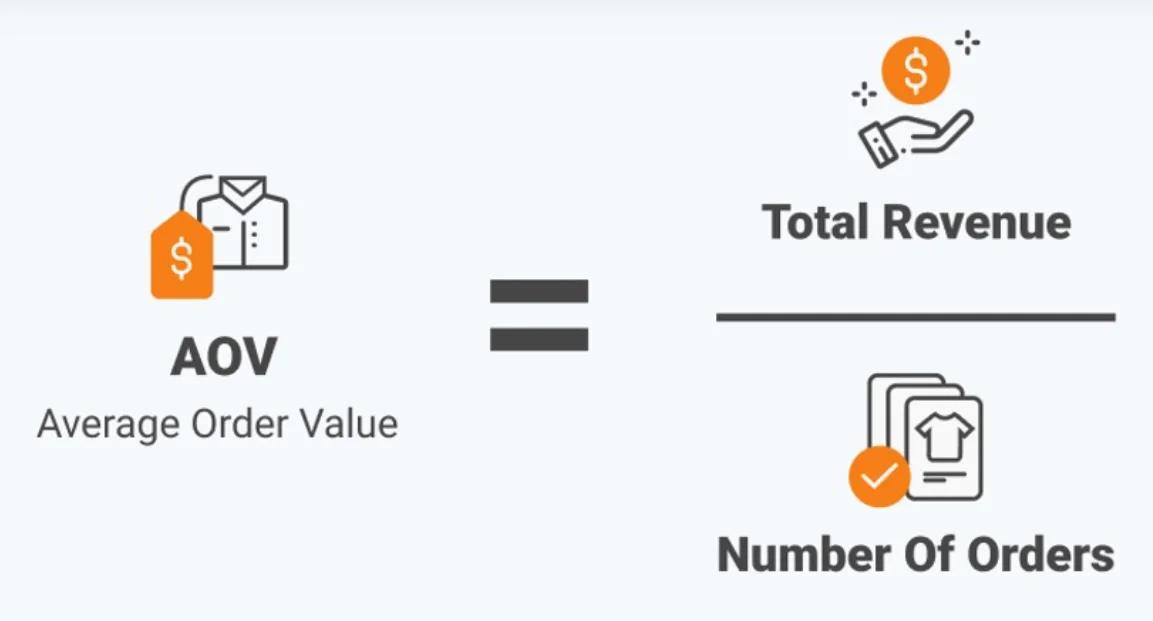
Average order value (AOV) is a key metric for any growing consumer business to monitor. It's among the primary metrics ecommerce stores try to grow when attempting to increase revenue or boost the impact of their marketing campaigns.
(Image source)
The AOV is the average amount a shopper spends on every purchase. Typically, you'd want shoppers to spend more on average.
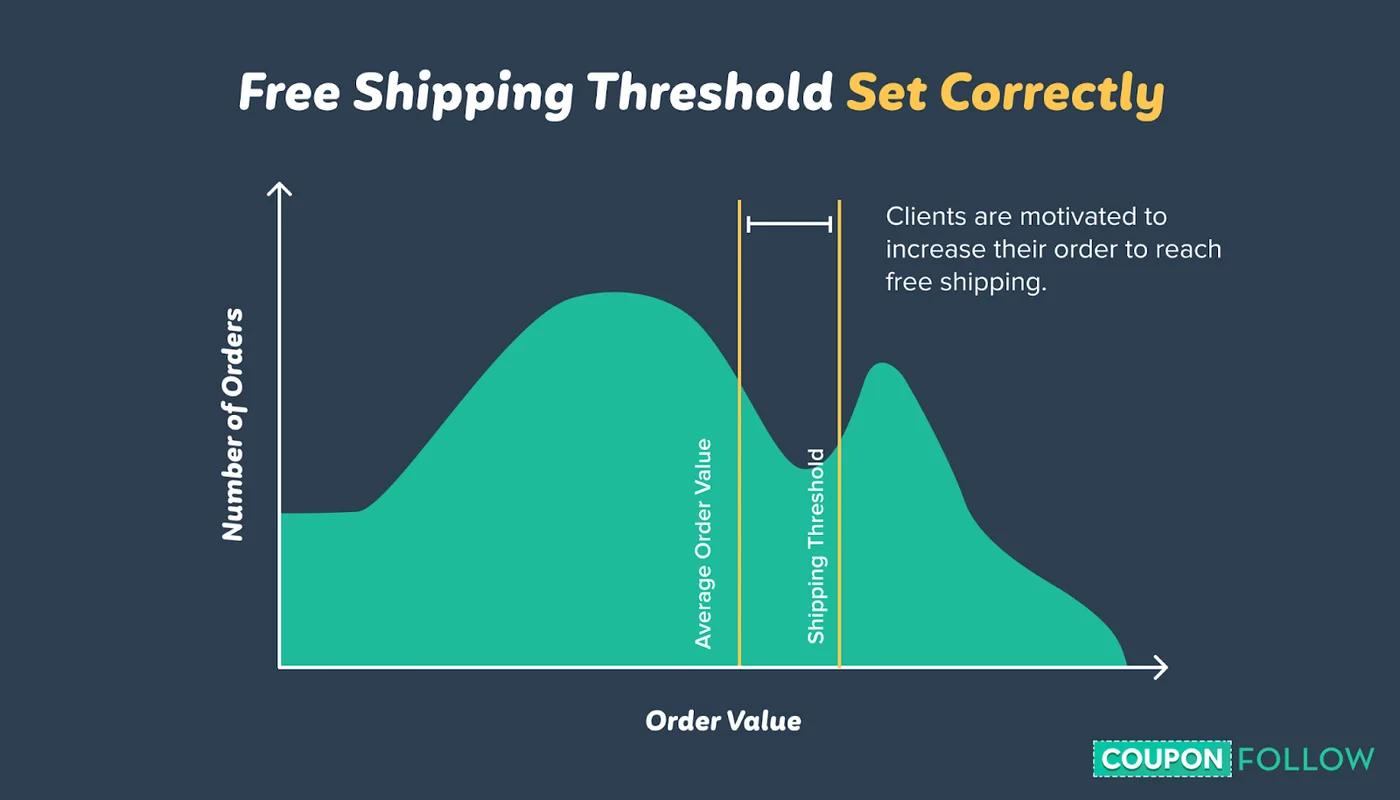
Shipping at no charge can boost AOV if you are applying the threshold model. Here, you give shoppers shipping at no charge if they spend past a certain amount, for instance, shipping at no charge for orders above $40. It gives every shopper an incentive to push their shopping cart price above that number.
A case study on the impact of shipping at no charge showed AOV increased by 7.32%.
Since shoppers are willing to increase their spending to get this benefit, your AOV will increase. A good strategy for this is to determine your current AOV and to what level you want to grow it. From here, you can set the minimum shipping at no charge threshold to reflect the new AOV you want to hit.
Increased shopper loyalty
Shipping at no charge can boost shopper orientation toward your business, and all that success stems from one thing.
Delight.
Shipping at no charge pleases your shoppers and encourages them to return to spend more. Don't forget, shopper retention is less costly than acquisition, and businesses that focus on it get better profit margins.
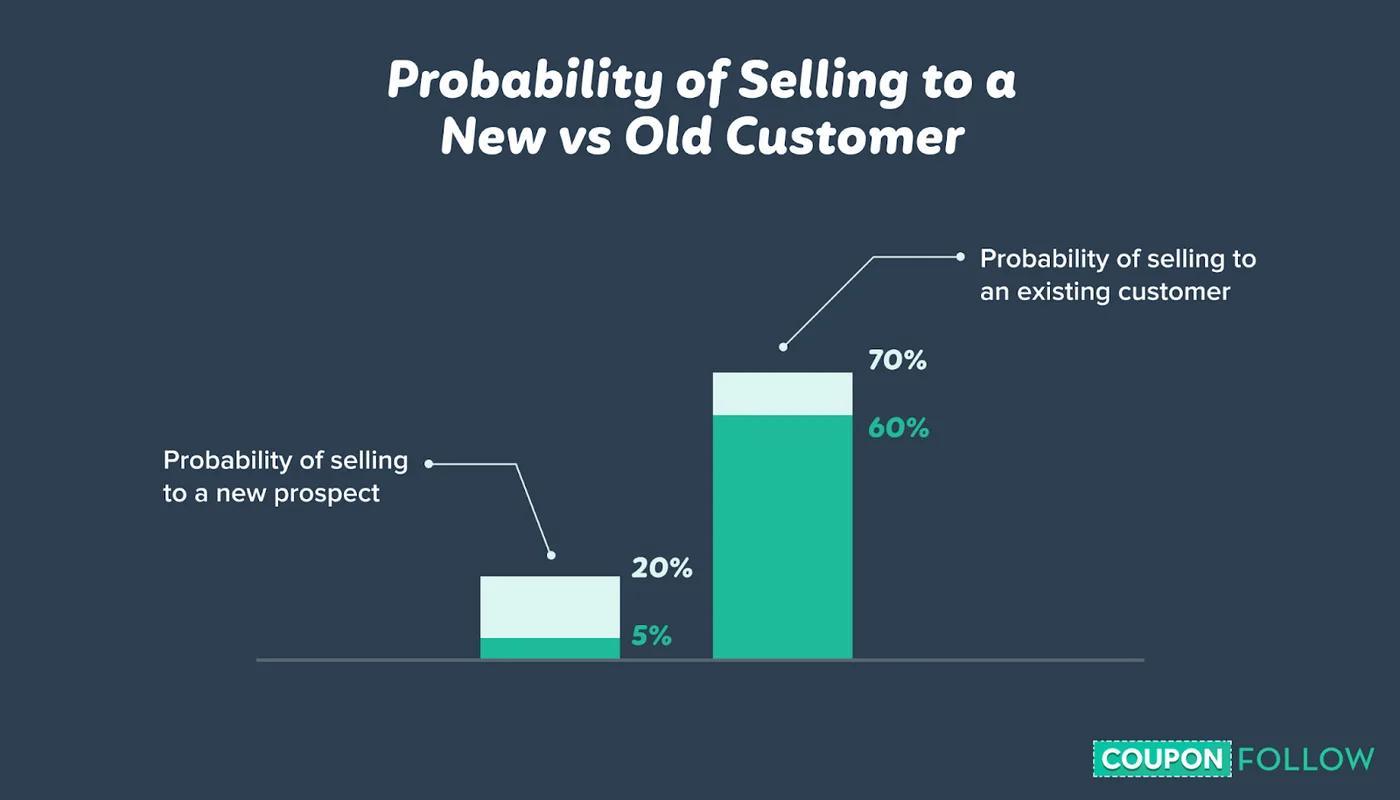
This way, it makes sense for any business to invest in an initiative like shipping at no charge that boosts their loyal shopper base. You can mix it up with a loyalty program to make it more effective.
90% of shoppers are more likely to prefer a brand where they are members of a loyalty program. Also, the top three factors that motivate shoppers to join these programs are shipping at no charge, faster shipping, and instant discounts.
Just like offering cashless spending, shipping at no charge is a key benefit that drives long-term loyalty.
What are the downsides of shipping at no charge?
Shipping at no charge benefits a business, but it isn't a silver bullet. It has a few downsides that owners should be wary of if they don't implement it well.
Here are some of them.
Extra costs
Shipping costs are massive in the ecommerce world, and ignoring them won't cut it for any business. While you can develop some initiatives to cover these costs, there are limitations.
Shipping at no charge can present any business with a new problem since some of these costs eat into profits. Don't blindly implement a shipping at no charge strategy without analyzing the financial impact.
Always have a plan to cover these shipping fees as they could easily rise to serious figures. Simulate your preferred shipping at no charge model and get accurate figures showing the impact of this campaign before implementing it.
Impact on item prices
Among the most effective ways to cover shipping at no charge costs is by including them in item prices. However, this often doesn't turn out well.
In a competitive world, bigger businesses have an advantage because of economies of scale. Since they sell huge volumes, they can offer lower prices and let some of the profits cover their shipping.
Because of that, the item prices listed by smaller and bigger businesses can be different, even though both of them offer shipping at no charge. Shoppers tend to pick ones with lower prices and leave out the others.
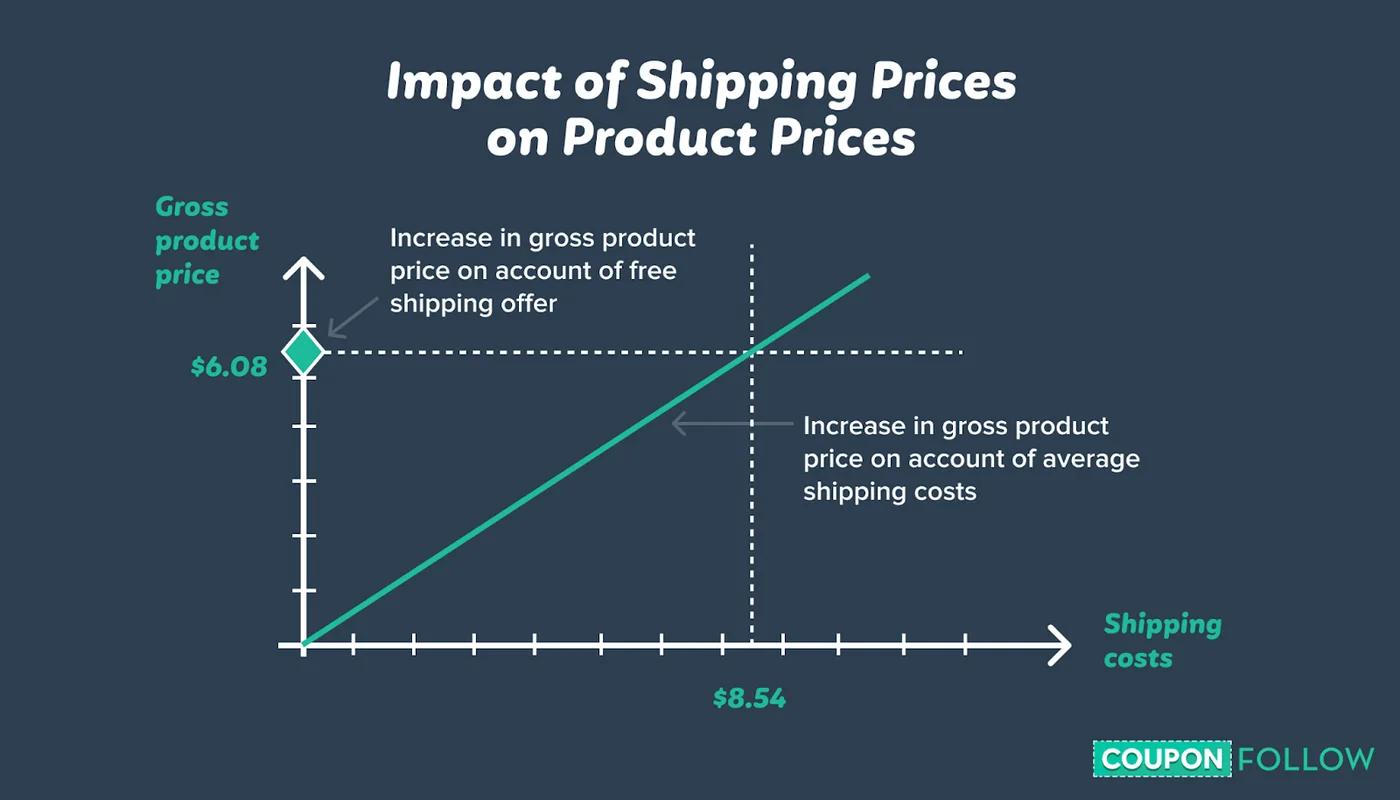
Increasing item prices to cover shipping is a good strategy, but it can work against you. Try blending multiple initiatives to cover the costs so your business isn't disadvantaged because of price.
Ways to make shipping at no charge work for your business
Shipping at no charge isn't simple as it might appear on the surface. Businesses have to tie up many loose ends, explore assorted choices, and allocate resources before implementing shipping at no charge.
Shipping at no charge models
Businesses can implement shipping at no charge in multiple ways. This could include implementing assorted conditions or offering to ship completely free no matter what.
Conditional shipping at no charge
This model requires shoppers to meet a certain condition before they qualify for shipping at no charge. It's a reliable way to cushion small businesses from the high costs of shipping at no charge and losing money on small orders. They include:
- Minimum order threshold: Here, shoppers qualify for shipping at no charge if they buy goods above a certain amount. The minimum amount should be high enough to protect your business from losses and low enough still to attract shoppers.
- Shipping at no charge on certain items: Businesses have different margins on items they sell, and not everything has a high enough margin to offer shipping at no charge. Also, items attract different shipping charges depending on destination, size, and weight. This model encourages businesses to offer shipping at no charge on items with low shipping costs and enough mark-up to maintain profits.
- Limited-time promotions: This works with marketing campaigns that run during specific periods or deal days, like holiday seasons. The idea is to get the word out on shipping at no charge benefits and acquire new shoppers. You can choose to foot these costs from your marketing budget or run them on a specific number of orders.
- Economy Shipping at no charge: If you have access to a low-cost, slower delivery choice, you can use it to implement shipping at no charge. On checkout, offer shoppers this and a superior alternative like same-day shipping. Here, shoppers will lean toward the free choice, which will cost you less and still have the same impact.
Unconditional shipping at no charge
Here, the glaring word is "free," and shoppers prefer it over meeting a condition.
However, it’s a challenging model since the only way to cover the costs is by increasing the item price or simply absorbing the costs into your margin. Even the gold standard of shipping at no charge, Amazon, isn't without conditions. But set at only $25 (or nothing with a Prime membership), the juggernaut of ecommerce retailers offers unconditional shipping at no charge on millions of items.
Shipping at no charge will work for your business if you find the right way to pay for it. There's no perfect way to do it as no two industries are exactly alike. Additionally, different items have varying margins and shipping costs.
Don't implement a strategy in isolation. Look at what the competition is doing and position yourself accordingly. The trick is to be better than them to gain some competitive advantage.
One smart way to go about it is applying flat-rate shipping. It encourages shoppers to shop for more to take advantage of this perk.
Think about your specific goals and which shipping at no charge policy will help you achieve that.
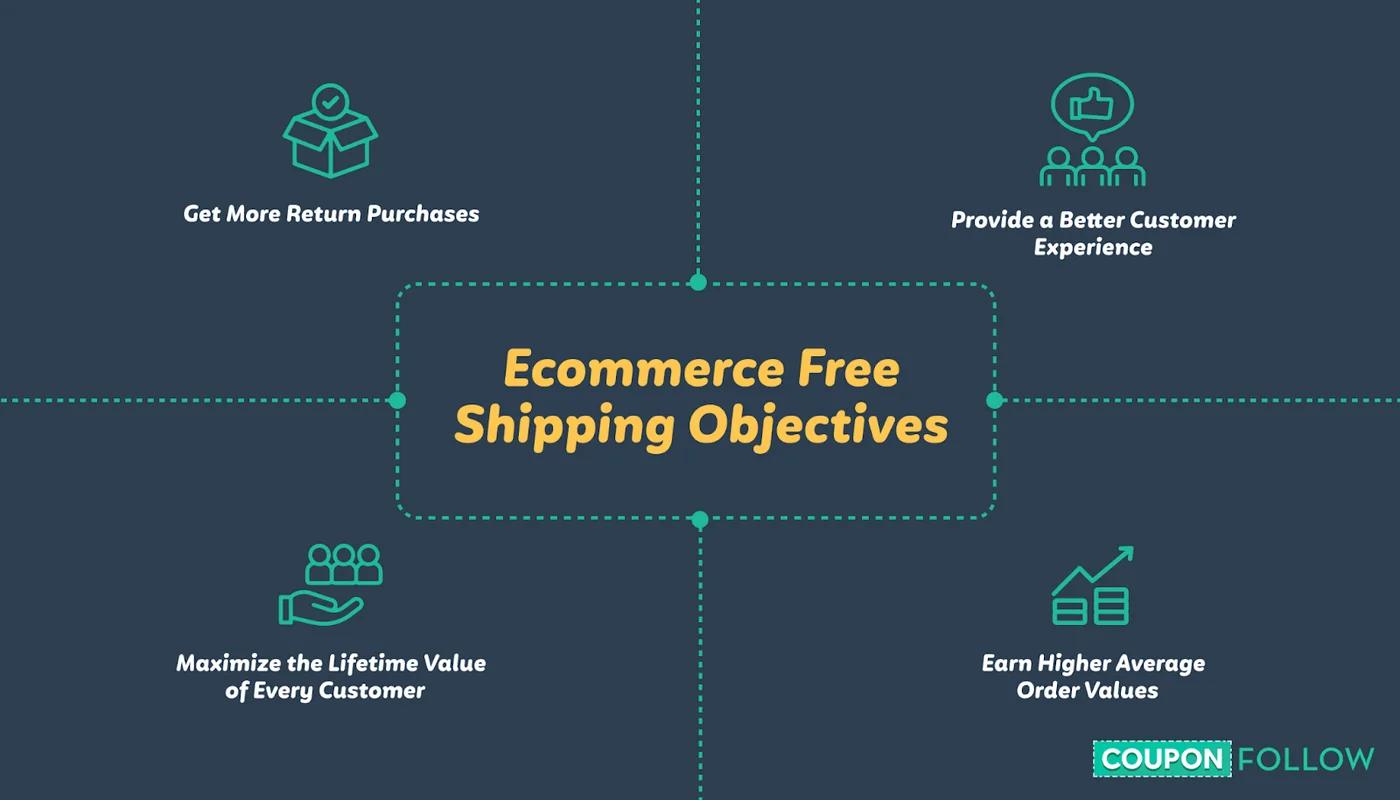
You should also look at your competitors’ policies. You don't want to be the only one offering conditional shipping at no charge in a competitive industry.
Don't forget to review your shipping costs regularly. Today, shipping choices are aplenty, and sticking to a costly one won't allow you to implement a reliable shipping at no charge strategy. Finding a low-priced shipping partner or working with a fulfillment program will give you enough headroom to implement most of the shipping models mentioned above.
Common mistakes to avoid with shipping at no charge
Shipping at no charge is a great way to get shoppers to buy more, but it could do your business more harm than good if not implemented well.
Smart businesses explore common mistakes to watch out for when implementing this strategy, as they can counter its effectiveness.
Failing to understand the costs
Don't do it without understanding the cost implications. Conduct a detailed analysis, and have a clear plan for covering costs, depending on which model works best for you. It's good practice to simulate some of the different models to see how much money they'll cost.
Money is what determines whether it’s right or not. You could make shoppers happy and get many of them buying from you, but still take losses. Costs are vital here. You have to understand them clearly before going live.
Failing to communicate the offer
Don't leave anything to chance. You shouldn't just hope that your shoppers will discover your shipping at no charge promotion. Be proactive with how you communicate it and let shoppers know about the offer. Leverage your marketing tools and channels (like social media) to get the word out on offered offers.
Once they are shopping, make it clear how much they’re saving, as it shows them the value they’re getting from your business.
Assuming shipping at no charge is the only promotional tool
A shipping at no charge offer is great, but it’s not the only promotional tool offered in the ecommerce world. Other offers might give you better value.
Always remain agile and responsive to what your shoppers say as they might prefer something else. What works best depends on your items, industry, and target market.
Test out a few other promotional offers, like providing a discount or giving an item away for free. Promotional coupons can also help you reach new potential shoppers. 92% of consumers searched for coupons before buying an item in 2020.
Your big break might not be all-encompassing shipping at no charge. It could be targeted promotions. You just have to discover what works for you.
Conclusion
Shipping at no charge can be challenging to implement. However, it isn't impossible. With the right plan, shipping at no charge could take your business to a new level. The key is understanding what you are signing up for and the impact it'll have on your business.
Take time, craft it carefully, and go for it if the numbers make sense. Always learn from previous and existing campaigns and use these lessons as pointers to optimize future campaigns. By continually improving, you'll find the sweet spot and arrange a perfect shipping at no charge campaign that will increase sales for your business.
Topics Promo codesAmazonDelivery
![How Much Can You Save Buying in Bulk? [Study] — before you pay](/assets/media/savings-when-buying-bulk-5b5d466e.jpg)