
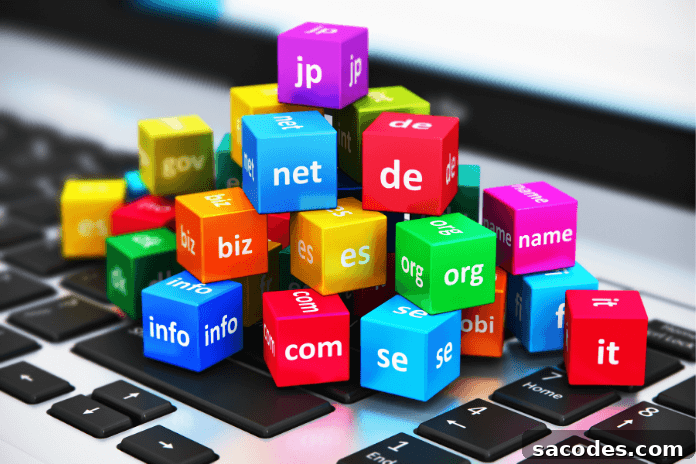
Domain parking and domain forwarding are two fundamental practices that play a significant role in managing an online presence. Both have specific uses, benefits, and considerations—especially when it comes to search visibility and conversion performance.
What Is Domain Parking?
Domain parking refers to the situation where a domain name has been registered but is not linked to a fully developed website. Owners often park domains to reserve them for future projects, to hold them for resale, or to capture traffic while deciding the next steps. Parked domains commonly display a simple holding page—often indicating the domain is for sale—or show basic information and advertisements to monetize residual traffic.
While parked domains rarely host substantial content, they can still serve as placeholders that protect brand names, prevent cybersquatting, and preserve potential SEO value until the domain is developed into a live site.
What Is Domain Forwarding?
Domain forwarding, also called domain redirecting, automatically sends visitors from one domain to another web address. This technique supports brand consistency (for instance, forwarding multiple domain variations to a single main site), marketing campaigns with short memorable URLs, or migrating an old site to a new domain. Proper forwarding ensures users land at the intended destination without confusion.
Domain Parking and SEO
Parked domains generally have minimal direct impact on SEO (Search Engine Optimization) because they typically do not contain substantive, indexable content. However, when you convert a parked domain into an active website, implementing SEO best practices from the start—keyword research, quality content, optimized meta tags, and fast performance—will help search engines discover and rank the new site effectively.
Domain Forwarding and SEO
Domain forwarding can be beneficial for SEO when configured correctly. A server-side 301 redirect (permanent redirect) tells search engines that the content has moved permanently and allows most of the original domain’s link equity to pass to the destination site. Using temporary 302 redirects for permanent moves can harm SEO, so choose redirect types carefully. Proper canonicalization, consistent internal linking, and updated sitemaps also help preserve SEO value during domain moves.
Best Practices and Tips
- Choose the Right Domains: Select relevant, memorable domain names that reflect your brand and target keywords. A clear, concise domain helps branding and user recall.
- Optimize Parked Pages Smartly: If you must park a domain temporarily, use a simple page that clearly states intent (for sale, coming soon) and avoid low-quality ad-heavy pages that may be penalized by search engines.
- Use 301 Redirects for Permanent Moves: Preserve SEO value by implementing 301 redirects when consolidating or moving domains.
- Monitor Performance: Regularly track redirected traffic, referral sources, and domain analytics to understand user behavior and detect issues early.
- Ensure Security: Protect both parked and forwarded domains with proper registrar security, domain locking, and SSL/TLS where relevant to prevent hijacking or misuse.
When used thoughtfully, domain parking and forwarding are effective tools for managing digital assets. With careful planning and ongoing monitoring, these strategies can strengthen brand visibility and protect or transfer search value.
Domain Conversion Rates and Analysis
Domain conversion rates measure how effectively a website persuades visitors to take desired actions—such as purchasing, signing up, or submitting a lead form. The chosen domain and the overall site experience both influence these conversion rates. This section outlines how domain choice interacts with conversion optimization and how to analyze performance.
Domain Choice and Conversion Impact
A domain creates the first impression for many visitors. Short, brandable domains that reflect your business or niche tend to inspire trust and encourage engagement. Domains that include relevant keywords can support SEO and attract targeted visitors, potentially improving conversion likelihood. Consider these factors:
- Brand Perception: Domains that look professional and match your brand help build credibility.
- Memorability: Easy-to-remember domains increase return visits and direct traffic.
- Keyword Relevance: Relevant keywords in a domain can aid discoverability for niche searches.
Conversion Rate Optimization (CRO)
Conversion Rate Optimization (CRO) focuses on improving the website elements that influence visitor behavior. Key CRO areas include:
- User Experience (UX): Clear navigation, readable content, and compelling calls-to-action (CTAs).
- Speed and Performance: Fast load times reduce bounce rates and improve conversions.
- Content and Presentation: Persuasive copy, strong visuals, and trust signals such as testimonials.
- Mobile Usability: Mobile-responsive design to capture on-the-go users.
Analyzing Domain Conversion Rates
Tracking and analyzing conversion data is essential to improve performance. Recommended steps include:
- Examine Traffic Sources: Identify which channels drive the most conversions (organic search, social, paid ads, referrals).
- Monitor User Behavior: Use analytics to see how users navigate and where they drop off.
- Analyze Conversion Funnels: Map steps users take before converting and optimize friction points.
- Run A/B Tests: Compare variations of pages, CTAs, and layouts to find what works best.
- Collect User Feedback: Use surveys and feedback tools to uncover obstacles and opportunities.
Thoughtful domain selection combined with CRO practices and continuous analysis will help increase your site’s conversion rates and overall effectiveness. A strategic approach—covering branding, technical setup, UX, and measurement—yields the best long-term results.
Domain Trends and Future Developments
Domain names remain foundational to the web, and evolving technologies continually shape domain strategies. Current trends and emerging developments indicate where the domain ecosystem may head in coming years.
Current Domain Trends
- Short, Memorable Domains: Compact domains continue to be preferred for brand recall and ease of use.
- Keyword-Rich Domains: Domains containing relevant keywords still provide potential SEO benefits in niche searches.
- Local and Geo-Specific Domains: Regional TLDs help local businesses signal relevance for local searchers.
- New gTLD Adoption: Beyond traditional .com and .net, industry-specific gTLDs like .app, .tech, and .ai are gaining traction.
Future Developments
- Greater gTLD Variety: Expect an expanding selection of top-level domains that allow more descriptive and brand-specific choices.
- Blockchain-Based Domains: Decentralized naming systems may offer immutable records and alternative ways to manage domain ownership and resolution.
- AI-Assisted Domain Tools: AI will increasingly help generate domain name ideas and assess naming opportunities based on trends and keyword data.
- Personalization and Dynamic Names: More personalized, context-aware domain solutions could emerge, tailored to user behavior or regional needs.
- Enhanced Security: Continued focus on domain security and protective protocols will be key as cyber threats evolve.
The domain landscape will continue to evolve alongside technology and user behavior. By staying informed about trends—short memorable names, relevant gTLDs, and new technologies like blockchain and AI—you can better plan domain strategies that support branding, SEO, and security. For domain availability checks and registration options, visit the domain tools provided by your preferred registrar.