Shopping
What Are They, Pros and Cons, and Best Practices — Flash Sales
If you’re reading this article, then you’re probably thinking of running a flash sale for your business
Whether your brand is launching an exclusive new item, or you’re simply looking to increase brand awareness by offering great deals over the holidays, you’ve come to the right place.
In this flash sale briefing, we’ll cover what flash sales are, the pros and cons of running flash sales, and the best practices you need to follow to achieve high sales volumes and increased brand exposure.
What is a flash sale, and how does it work?
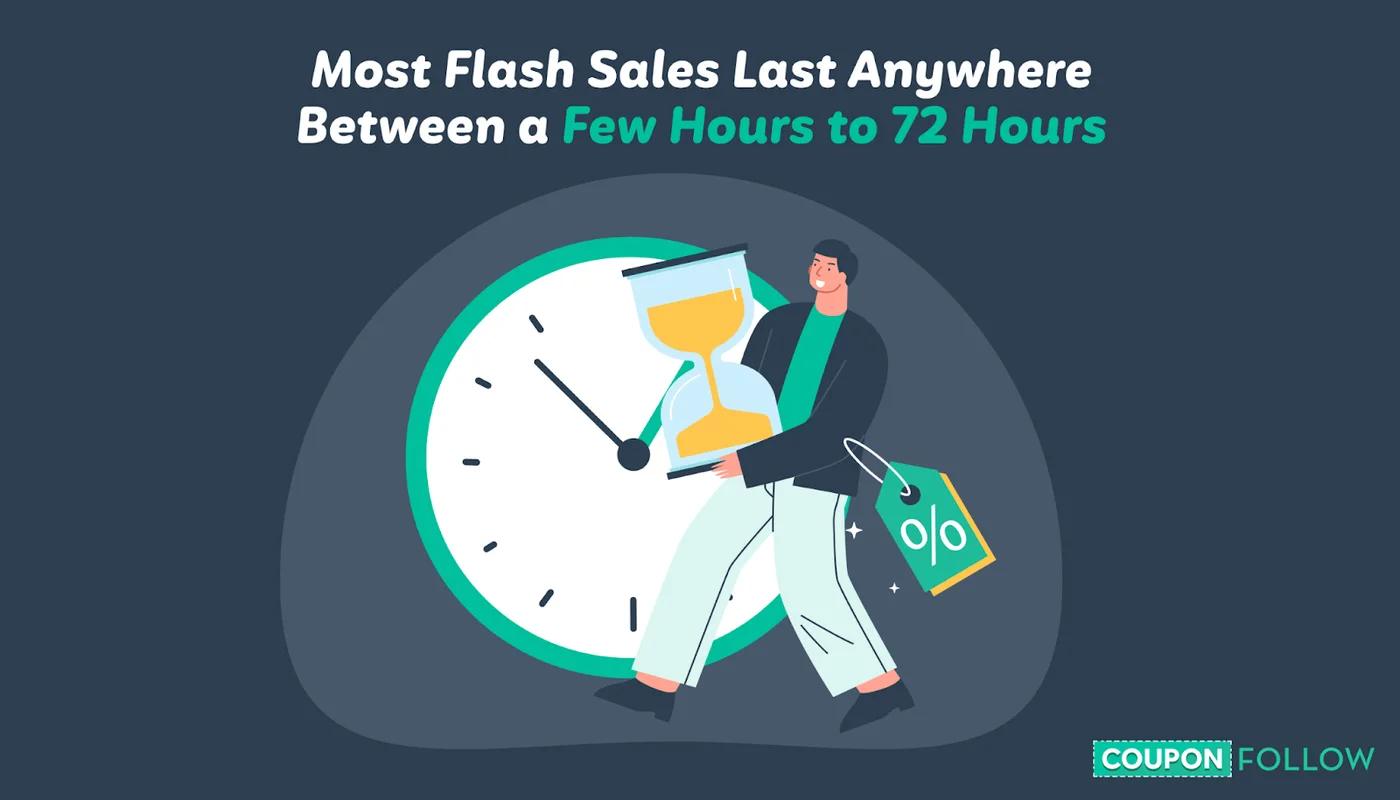
A flash sale is a short-term promotion or discount that a business runs for a limited period of time — often a few hours to 72 hours. These sales are great for bringing in some quick traffic and boosting short-term sales in a matter of hours or days.
The primary goal of flash sales is to trigger consumers’ impulse buying behavior. However, these sales often take plenty of planning and require a well-thought-out strategy to guarantee success.
Things like inventory, marketing, site capability, and shipping all need to be considered when planning a flash sale strategy.
Generally speaking, a flash sale will look something like this:
- Determine the goal of your sale (i.e., what exactly is it that you want to achieve?).
- Choose the right items to sell to your audience or audience segment.
- Be sure that there are enough of your selected items in stock.
- Promote the sale.
- Run the sale for an extremely limited amount of time.
Pros of running flash sales
Here are the main benefits of flash sales:
1. Increases brand visibility
The biggest advantage of flash sales is that they offer great opportunities to get your brand in front of your ideal shoppers and increase brand awareness among them.
By posting your sale on social media, more people will get to know your business. Even if they don’t want to purchase your items at the moment, they’ll know about your business and may decide to visit your online store later when they need something.
Additionally, your ideal shoppers may share your posts across their network, giving you even more brand exposure, credibility, and authority.

Buying inventory can be tricky as you can’t always predict how many items you need. Because of that, you may be left with excess inventory. Flash sales are a great way to get rid of these items without losing money in the process.
With these sales, you’ll be able to sell items that are out of season and, in doing so, make room for new and trending items that are guaranteed to sell.
3. Increases sales and revenues
Urgency is an extremely effective method that marketers use to turn browsers into buyers instantly. This is because shoppers are far more likely to buy items when they know that these amazing deals are offered for a limited time only.
Therefore, your flash sale will increase the number of sales you make, and consequently, lead to more profit for your business.
Even though flash sales reduce your profit margin, the number of transactions completed in such a short time frame makes up for it.
4. Creates shopper loyalty
Since flash sales offer better deals than regular sales, your existing shoppers will see this opportunity as a reward.
They’ll be able to buy your items at a lower cost, which will keep them loyal to your brand. And, if they like the item, chances are, they’ll not only continue buying from you but also become brand ambassadors.
Cons of running flash sales
Here are the main downfalls of running flash sales:
1. Shipping failures
With flash sale seasons being the busiest times for eCommerce businesses, an excessive number of orders can lead to shipping failures.
Unfortunately, shipping failures lead to unhappy shoppers, which can lead to negative reviews and a bad reputation.
To guarantee that this doesn’t happen to your business, you need to keep an eye on shopper perception during the sale and after the order has taken place.
That’s where a good shipping strategy comes in. The faster your delivery services are, the better. Shipping generally takes three to five business days. However, sometimes shoppers expect same-day delivery.
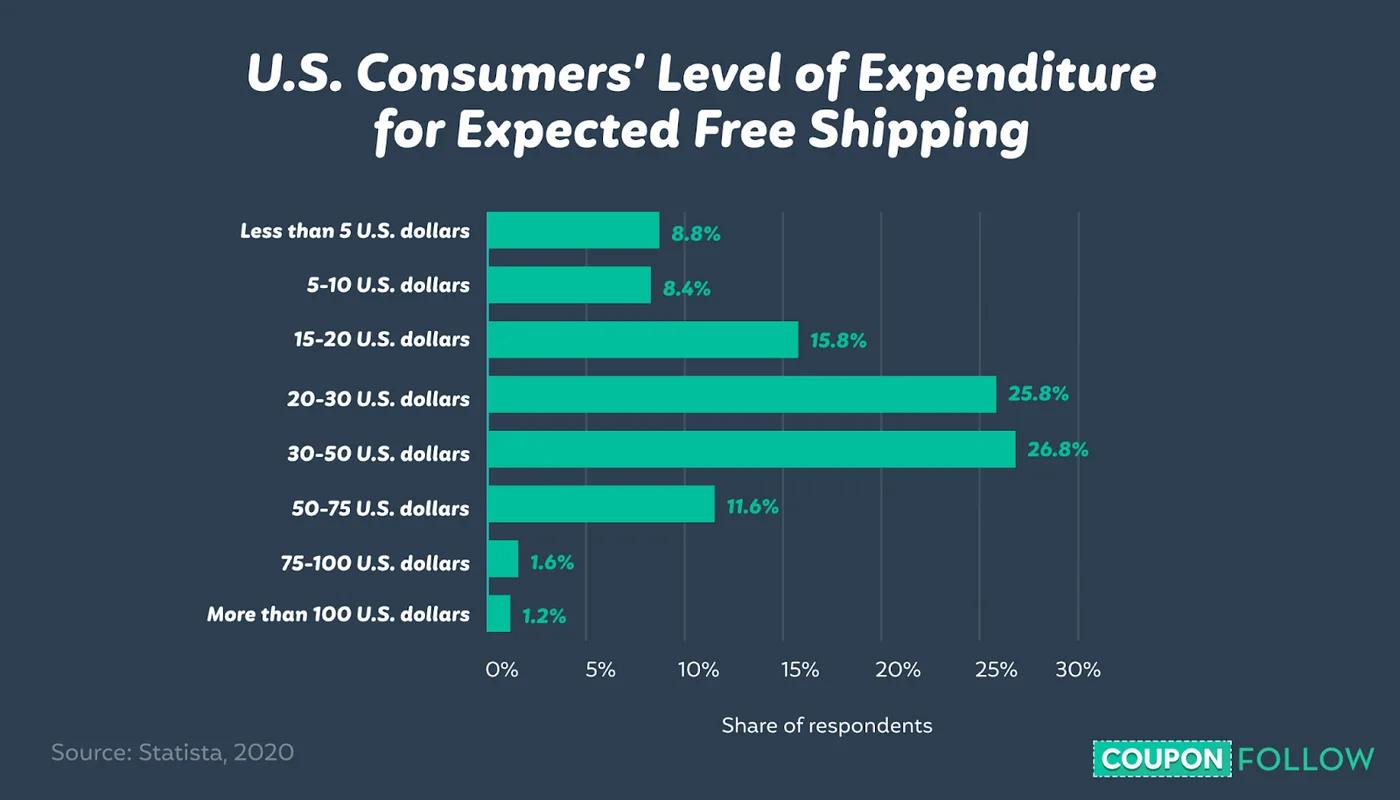
If you want to stand out above your competitors, you can consider offering shipping at no charge. This is especially true for items priced above $20. Nearly 26% of consumers expect free shopping for items priced between $20-$30, and an extra 27% expect it for items prices between $30-$50.
2. Site crashes
Even big eCommerce businesses encounter site crashes during flash sales. With the high quantity of shoppers arriving at and leaving your site, the chances are far higher for your site to malfunction.
This can be extremely bad for your business’s reputation since shopper satisfaction relies on good user experiences in today’s digital, fast-paced world.
Therefore, if your business model relies on flash sales, consider doing the following:
- Getting extra server capacity
- Getting a decent hosting plan that can support thousands of visitors at once
- Load testing your site
- Load testing your third-party tools and apps
- Running speed tests
3. Inventory failures
Expecting an item and not receiving it can be extremely disappointing for a shopper. In turn, this can lead to them not trusting your business — and, consequently, telling their friends, families, or colleagues all about their bad experience.
Again, this can lead to a bad brand reputation which could impact your business negatively in the future.
To prevent this, you can do the following:
- Research the demand for certain items and prepare your supply chain for the demand.
- Add inventory quantities to your item pages so that shoppers can see how many items are left.
4. Attracts bad shoppers
A flash sale can attract one-time buyers (often called “bargain hunters”) who take advantage of the deal and never visit your store again.
These types of shoppers don’t benefit your business much since profit margins are far lower during these sales, with prices being 25%-70% lower.
Unfortunately, you can’t completely avoid this type of shopper since your social media ads will attract them.
However, you can try to limit these shoppers by heavily advertising your flash sale deals to your existing shoppers (including engaged and disengaged shoppers) by employing email marketing and retargeting methods.
When is the best time to run a flash sale?
Here is a list of the best times during the year to run flash sales:
Before the holiday season
eCommerce businesses bombard people with flash sales during the holiday season, which leads to high competition and flash sale fatigue in shoppers.
During this time, consumers’ email boxes are filled with promotional emails, which often leads to them ignoring these emails.
The solution to this problem is running flash sale ads and campaigns before the holiday season along with during it. This way, you’ll capture new shoppers ahead of time so that you stand out above your competitors.
After the holiday season
After the holiday season, eCommerce stores often see a spike in item returns. This is mainly because people return unwanted gifts.
However, you shouldn’t let this discourage you. To make up for the returned items, you can host another sale after the holiday season (in January) to grow your profit margin and make up the money you lost for the returns.
Find inspiration from after-Christmas sales that businesses hosted in 2021.
Every few months
Regarding flash sales, timing is everything.
You can’t constantly run these sales since that would mean a drastic decrease in your profits and could even lead to big financial losses.
What you can do instead is run a flash sale every few months to create brand awareness and loyalty from your shoppers without risking financial loss and a bad reputation.
Consider running your sale on holidays like Valentine’s Day, Mother’s Day, Father’s Day, or the Fourth of July, when shoppers are likely to search for gifts for their loved ones.
Here’s a list of the best national holidays for deals and freebies.
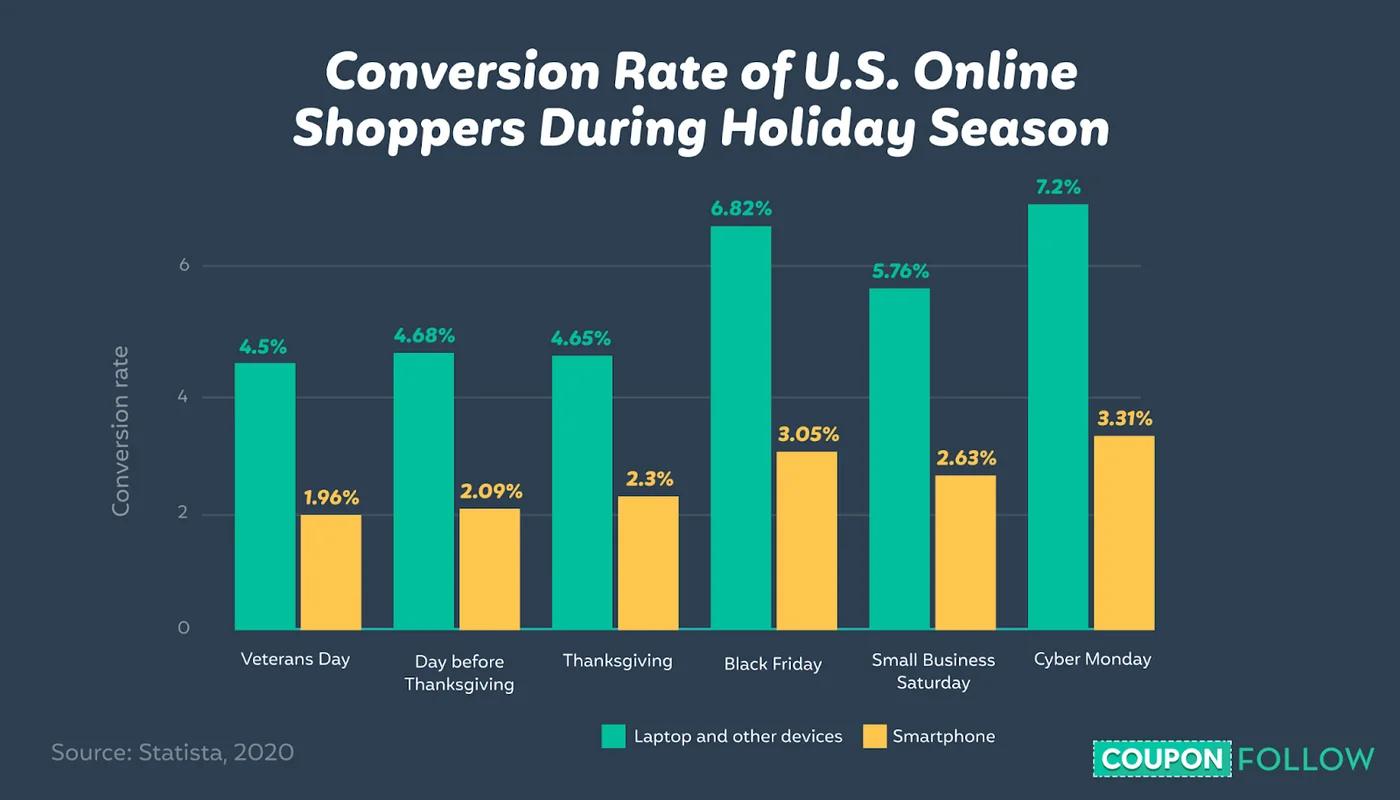
Also, consider hosting a flash sale on Cyber Monday. In 2020, Cyber Monday was the holiday with the highest conversion rate at 10.51% with mobile and desktop devices combined.
Best practices of running flash sales
Here are the top five tips you can follow to run a successful sale:
1. Select the right flash sale items
If you’re a retailer that sells hundreds of items, you need to spend a good amount of time identifying the items you want to sell during your sale.
If the goal of your flash deals is to simply get rid of excess inventory, then this step is easy since you can simply select items that aren’t selling well.
However, if you want to use your flash sale for brand exposure and are unsure which items will give you the most visibility, you can use the following strategies to identify the best items:
- Use a keyword research tool like Google Keyword Planner, Ubersuggest, or Ahrefs to see the search volumes for each item to find high-demand items.
- Browse your competitors’ sites and social media platforms to see which items they focus on selling during online sales.
Once you’ve figured out which items will do well in a flash sale, you need to be sure that you have enough of those items in stock.
2. Segment potential buyers
Who are you selling your items to?
If you have a wide shopper base with different audience segments, you need to work out which segment you want to target with your sale.
For instance, let’s say you own a luxury clothing and accessories eCommerce store. You may have one audience segment that prefers buying clothing from your store, while the other segment prefers buying accessories.
If you’re only focusing on selling clothes, then you want to focus your marketing efforts on the audience segment that mainly orders clothing online. These include existing shoppers and potential shoppers.
By figuring out who exactly you need to be targeting for each specific flash sale, you’ll keep more cash, time, and resources on your marketing campaigns.
3. Promote your sale
For your flash sale to achieve maximum success, you need to promote it. There are different marketing channels to choose from. The most popular channels include:
Social media
More and more people are starting to shop through social media. As such, it’s a great idea for you to promote your sale on the social media networks where your chosen audience segment can be found.
For instance, if your audience segment consists of Gen Z’s who mainly use Instagram, you need to distribute most of your budget into Instagram ads instead of other channels.
The great thing about social media ads is that even if a shopper doesn’t buy from you through your ad, these ads will still create brand awareness. 88% of businesses agree that increased brand exposure is a leading benefit of social media marketing.
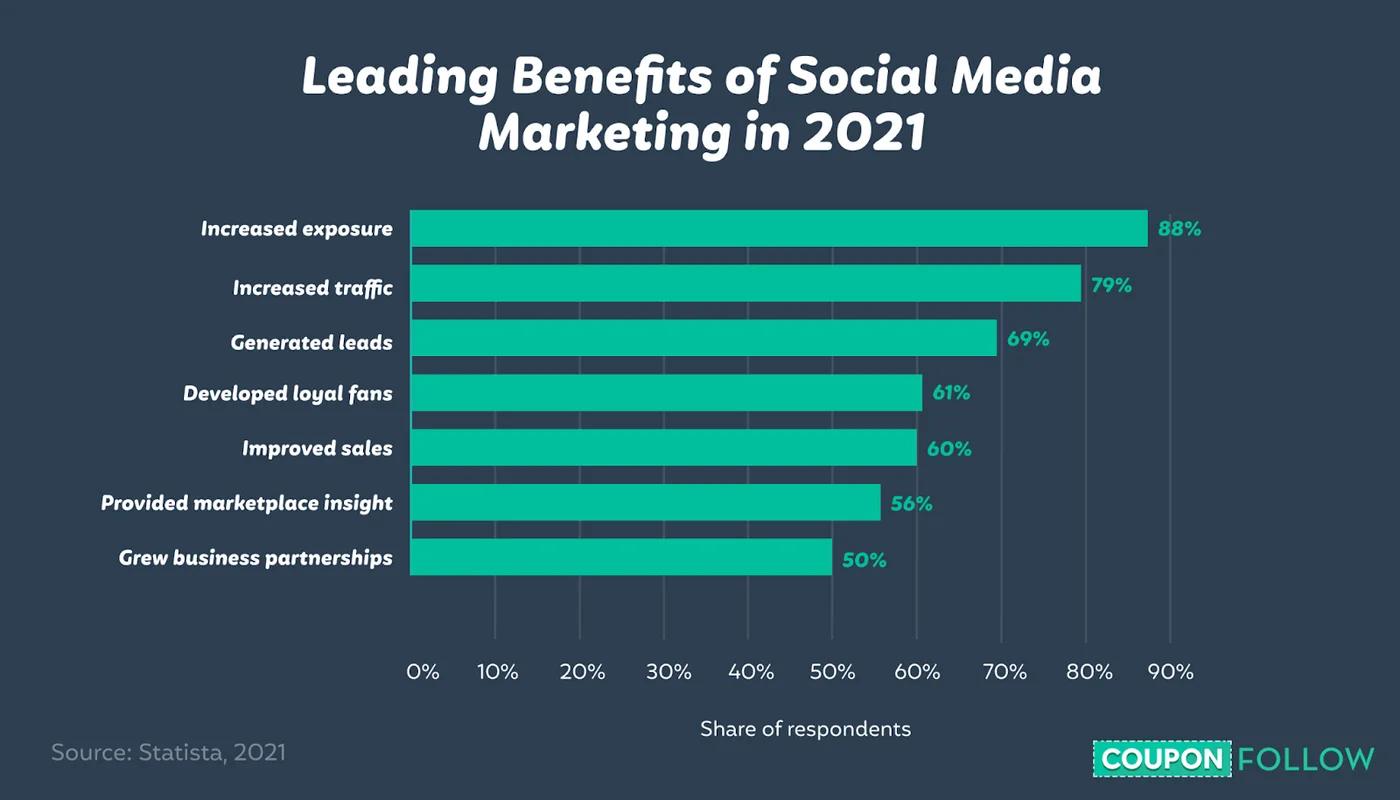
This means that more people will become aware of your business and offers — and they may choose to come to your store in the future if they need any of the items that you sell.
Additionally, you can also run social media sales events to bring more awareness to your business and offers.
In 2020, revenue obtained from email marketing amounted to $7.5 billion and is predicted to grow to $17.9 billion by 2027.
As such, it’s clear that email remains among the most effective online channels for promotional marketing.
For the best results, you need to create a separate flash sale email sequence for your existing shoppers, the leads that you acquire from your ads, and inactive shoppers. Your email series can include:
- Countdown emails
- Special announcements about the sale
- Emails about the item features and benefits
- An on-the-day email
- Ongoing sale news
- Limited stocks emails
- An email for each purchase stage
This puts your sale on autopilot and helps you build bonds with your shoppers without having to lift a finger during the duration of the sale.
A bonus of email marketing is that you’ll also be able to use this method during your flash sale to retarget shoppers who abandon their shopping carts. The average cart abandonment rate across all industries is 79.8%, which is very high.
However, cart abandonment rates are especially high for online retailers in the Automotive, Airlines, Fashion, and Luxury industries.
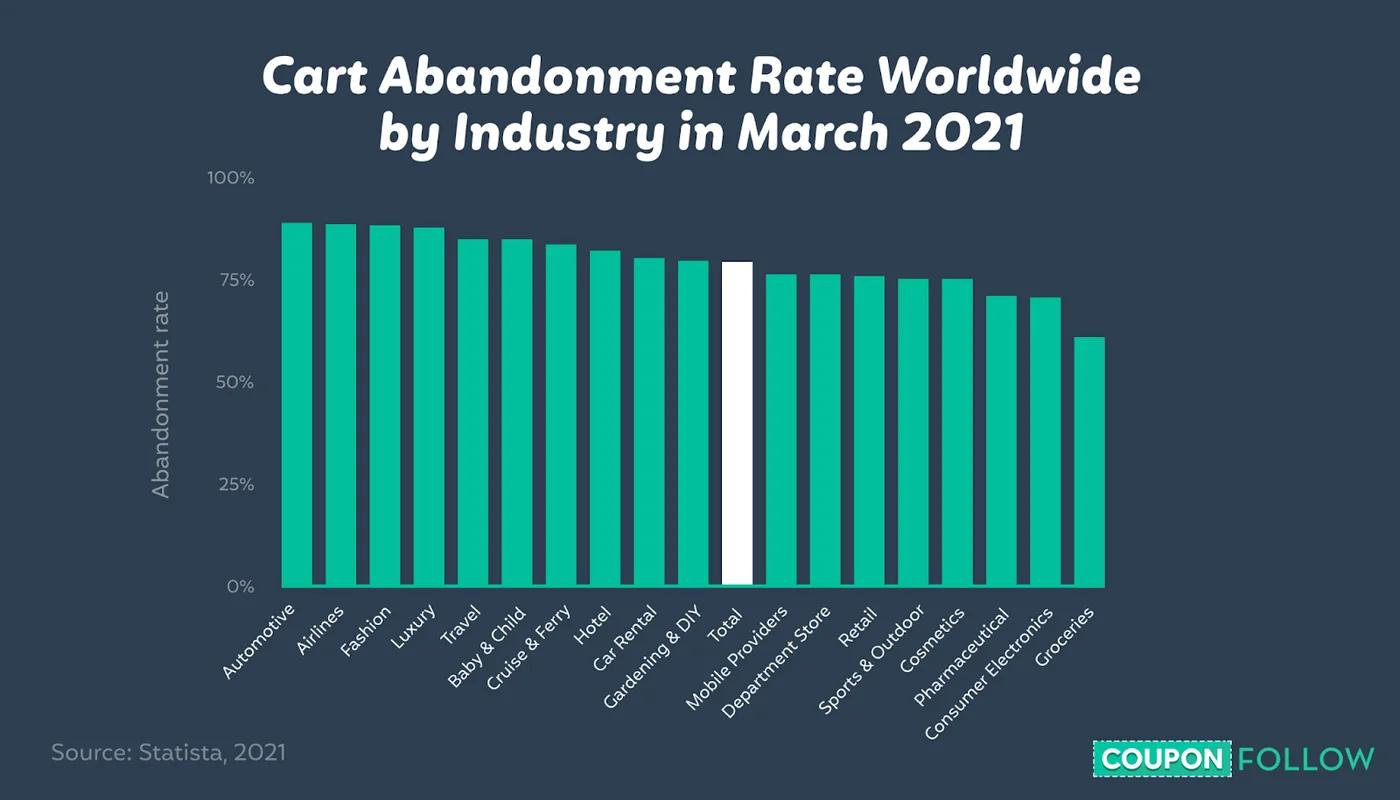
If you’re in an industry that has a high cart abandonment rate, spend some time creating a good cart abandonment email campaign to guarantee more sales.
4. Use pop-ups
While applying social media, email, and limited-time Google ads to promote your sale are all excellent methods to spread the word — it’s also key to turn your existing visitors into flash sale shoppers.
You can do this by adding promotional pop-ups to your site that announce the campaign and direct your visitors to your sales page.
If you implement these pop-ups correctly, they won’t only notify visitors of your sale, but they’ll also create an air of urgency. By applying calls to action (CTAs) like “Today Only” on your pop-up, people will know that they have to act immediately if they want the deal.
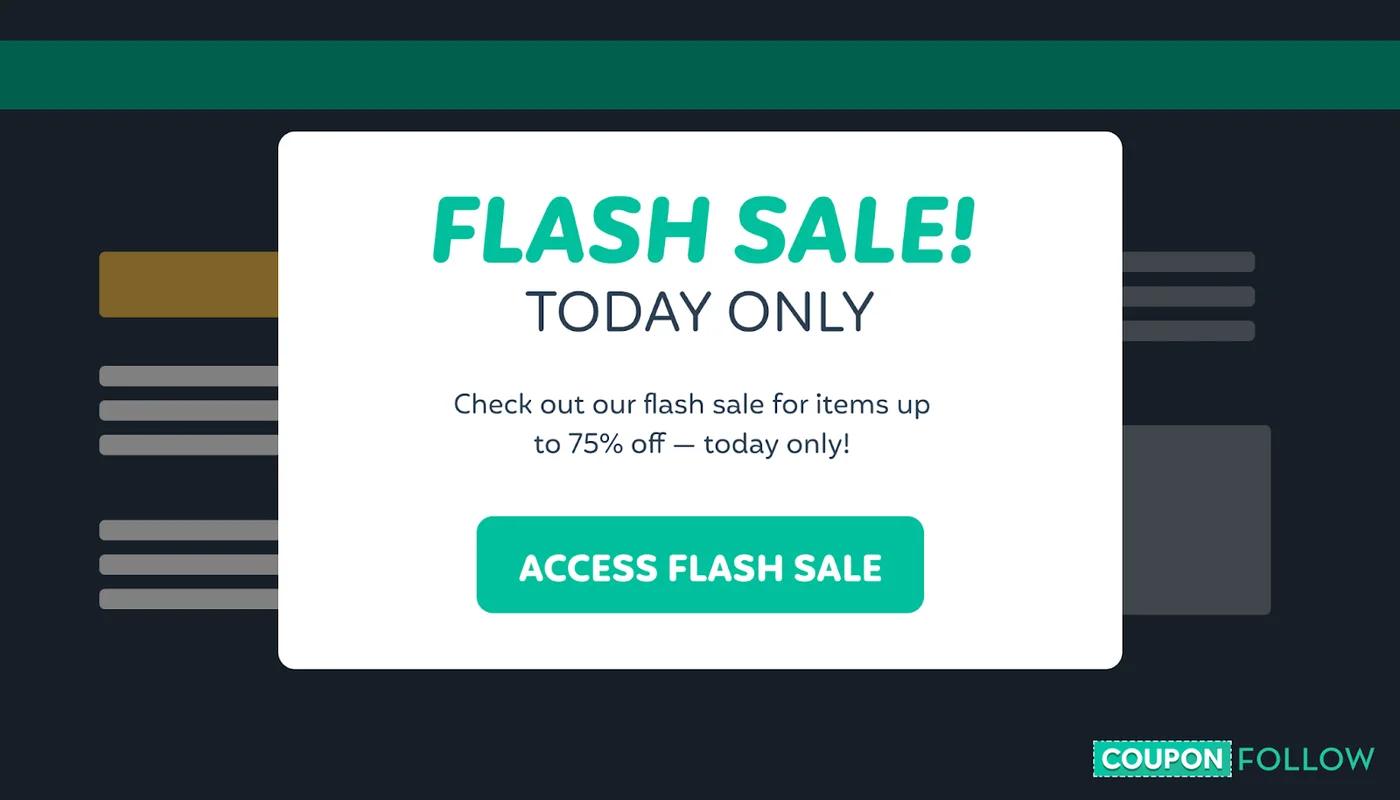
Other examples of calls to action that create a sense of urgency include:
- While Stock Lasts
- Sale Ends Tonight at 12 p.m.
- Only 1 Day Left to Buy
- Act Now to Avoid Disappointment
- Limited Time Only
Pro-tip: If you want to create even more urgency, you can include a dynamic countdown timer on your pop-up ad or on your sales page.
5. Keep your flash sale short
As mentioned earlier, the shorter your sale is, the better. This is because people undergo the fear of missing out (FOMO) whenever an offer won't last for a long period.
Two to three-hour flash sales often do extremely well. However, the time period of your flash sale will depend on your item and target audience.
For the best results, you need to look at your analytics to see if you can determine any patterns in your target audience’s buying behavior. Consider the following:
- What days of the week do consumers buy your item?
- What time of day do they buy it?
- What times during the day are your email open rates highest?
- When do consumers click on your ads the most?
Once you’ve determined all these factors, you’ll be able to set a date and time for your flash sale.
Remember that since your flash sale is short, excellent shopper service throughout the entire sale is vital if you want to create loyal shoppers.
Ready to run a flash sale?
You’ve discovered what a flash sale is and the benefits that it offers to your business. By following the above tips, your flash sale will attract your ideal shoppers, increase your conversion rate, and help with business growth.
If you’re thinking of running a successful flash sale for your eCommerce business, have a look at the latest eCommerce statistics and trends for 2022 to help set you up for success.
Topics Delivery

![Coupon Usage & Shopping Behavior Trends [REPORT] (2021)](/assets/media/coupon-usage-trends-6f52a19d.jpg)