Shopping
Market Your Business With Coupons
In the early 2010s, iconic American department store chain JCPenney was struggling. It wasn't connecting with younger consumers, and sales were stagnant. The business's management
Now more than ever, shoppers are looking for ways to spend less, and offering coupons and discount codes is a big incentive that could encourage shoppers to support one store or another. A good coupon strategy deployed at an optimal time for your business is a great way to bring in new business, which could create repeat shoppers down the line! This can be especially key for e-commerce businesses faced with plenty of competition and breaking through it is essential to create a solid shopper base. There are many different couponing strategies you can use with your business that could put you ahead of your competition:
- Single-Use Discount codes and Coupons: Most coupon strategies, both for online stores and brick-and-mortar locations, involve a generic discount code. It's a simple strategy that offers a generic discount or promotion for all of your shoppers and potential shoppers. However, while it may be simple, it's a solid strategy that businesses have used for years because it brings in new shoppers and gets people to spend time browsing your shop when they might have otherwise missed it.
- Personalized Coupons: Generic coupon strategies can be great for bringing in potential clients, but personalized coupons can go the extra mile and keep people engaged with your brand. Most consumers prefer discounts tailored to their past brand interactions, but you walk a fine line in offering these kinds of coupons because while shoppers may want tailored interactions, they aren't always comfortable sharing details. Things like birthday discounts or shopper anniversary discounts can be a great way to get around that and make the shopper feel appreciated.
- Urgent Coupons: The goal of urgency marketing is to remind the shopper that they have a limited time to act on a deal which drives up response times and use rates. Many times, with coupons, if there's plenty of time attached to their use, people will put it off and eventually forget, but if you create a sense of urgency, people are more likely to purchase immediately. It's a great choice for shoppers who may be on the fence about ordering and can limit shopping cart abandonment. One great example of this is Shein’s discount codes which typically feature a count down timer on their site.
- Game Couponing Techniques: We all love a good game, there's nothing like going through an activity to win a reward, especially if not everybody gets the reward! It makes it feel special. While real life doesn't always work like that, you can still create a game out of your coupon strategy by having a handful of different rewards for shoppers that click on email links within a certain period of time, social media games that reward sharing and replying, and even mystery rewards where shoppers get coupon codes for clicking on links in an email campaign!
You can use different coupon strategies for your business to draw shoppers to your brand. No matter what size a business may be, issuing coupons can be an effective marketing strategy.
- Bounce-Back Coupons Bring Business Into Your Business: Bounce-back coupons are the coupons printed at the end of a receipt or emailed to a shopper after they complete a purchase. These coupons offer the shopper a discount on their next purchase, enticing them to return to the store later.
- The First Coupon: Coca-Cola invented and released the first coupon back in 1887.
- The History of Coupons: The peak year for paper coupons was 1992, when almost 8 billion coupons were redeemed.
- Evolution of Coupons: Coupons started back in the 19th century, but they began a whole new era in the 1990s. The rise of the Internet meant that businesses could offer consumers downloadable coupons and discount codes, changing the landscape forever.
- Why Coca-Cola's Invention of Coupons Transformed the Marketing Industry As We Know It Today: Asa Candler, founder of Coca-Cola, had a fair number of shoppers in and around Atlanta, but soda sales weren't so great beyond that area. Candler had the idea to mail coupons to households outside of Atlanta that were redeemable for a free class of Coke. By 1913, a total of 8.5 million free Coca-Cola coupons had been redeemed, and the drink spread rapidly across the country.
- JCPenney and Tide Tried to Get Rid of Coupons, and It Was a Disaster: Two very large businesses learned that shoppers really like coupons.
- Ever Wondered How Coupons Work? Manufacturers' coupons are offered by the business that makes an item but are redeemed at retail stores by shoppers. Stores then get reimbursed by the manufacturer.
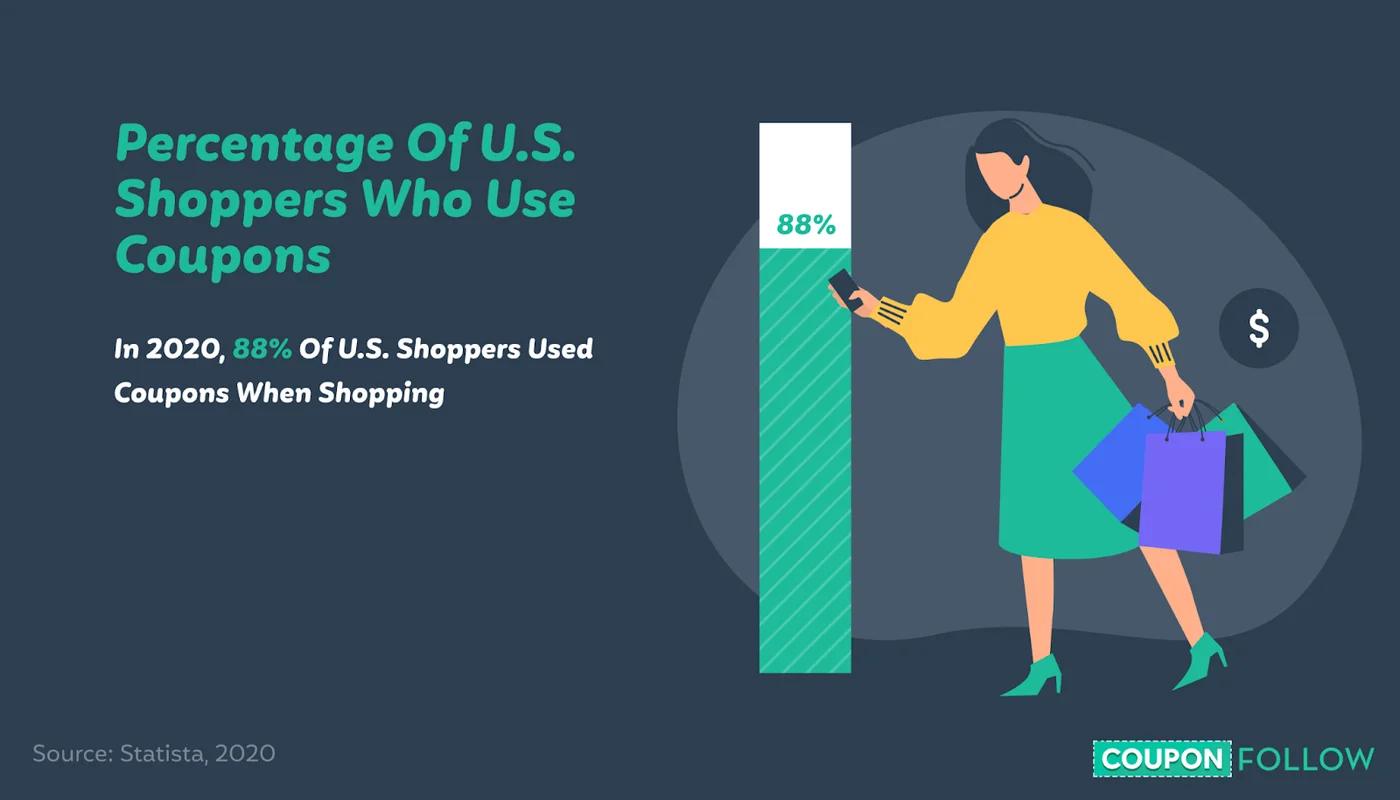
- Coupon Marketing: How Do Coupons Work for Small Businesses? Research has found that 95% of shoppers have a positive opinion of coupons, meaning that even small businesses could benefit from applying coupons as a way of attracting new shoppers.
- Why Do Businesses Print Coupons? Coupons are intended to get you to try an item, get you to buy an item over a competing one, and make you loyal to an item or store.
- Why and How Do Coupons Work?: Businesses offer coupons because they know coupons drive revenue, increasing the amount of money each shopper spends as time passes.
- The Psychology of the Coupon: Do They Work?: One way coupons work is by encouraging shoppers to try new items or services.
- Five Ways Coupons Can Help Your Business Attract Loyal Shoppers: One way to cut through the visual clutter and grab a shopper's attention is by having a well-designed, attractive coupon, either in print or digital form.
- Best Tips for Offering Small-Business Coupons and Discounts: Offering online coupons helps small businesses build their mailing lists.
- Unused Coupons Still Pay Off: Only about 1% of coupons are redeemed, but those unused coupons still help the businesses that issued them by raising brand awareness among likely shoppers.
- Battle of the Coupons: How Retailers and Manufacturers Compete: Once, only manufacturers offered coupons, but today, retail stores also use coupons to tempt shoppers into their stores.
- Super-Simple Ways to Get Explosive Business Growth With Direct-Mail Coupons: Small businesses can hire a business that mails coupons to shoppers who fit the profile of a likely shopper for the store.
- Ways to Use Coupons to Market Your Business: Business owners who aren't sure if a specific item is a good fit for their store or client base can market it with a coupon to gauge consumer interest.
- How Single-Use Coupons Can Drive Greater Engagement: Single-use coupons can be used by businesses to acquire new shoppers, engage with a regular shopper whose shopping pattern has changed, or entice a former shopper to come back and shop with the business again.
- Personalized Discounts: How Targeting a Shopper's Interests Can Help Increase Sales: Paper coupons are the same for everyone who receives them, but digital or receipt coupons can be highly personalized to increase the chances that the shopper will use them.
- Ten Tips for Applying Coupons to Market Your Photography: Many business owners think of coupons as tools for selling items, but they can also be used to drive up sales of services like photography.
Topics Promo codes