Money
Recession Money Mindset Report 2025 — before you pay
Rising prices and looming recession warnings have pushed U.S. shoppers into defensive mode—tightening budgets, pausing major orders, and looking for new ways to stretch every
To better understand how consumers are navigating this climate, Sacodes surveyed over 1,000 U.S. shoppers in April 2025. We examined how people are adjusting their saving and spending habits, which essentials they're downgrading, and what orders they refuse to give up. Our study also reveals which generations are feeling most vulnerable and how Gen Z, in particular, is coping with economic stress.
Key Takeaways
- Over half of U.S. shoppers (56%) have already started cutting back on spending because of recession concerns.
- 40% of U.S. shoppers have switched to store-brand groceries to keep more cash on essentials amid a potential recession.
- About 1 in 4 U.S. shoppers (26%) have been pretending to spend normally, even though they're cutting back. Gen Z (40%) is doing this the most.
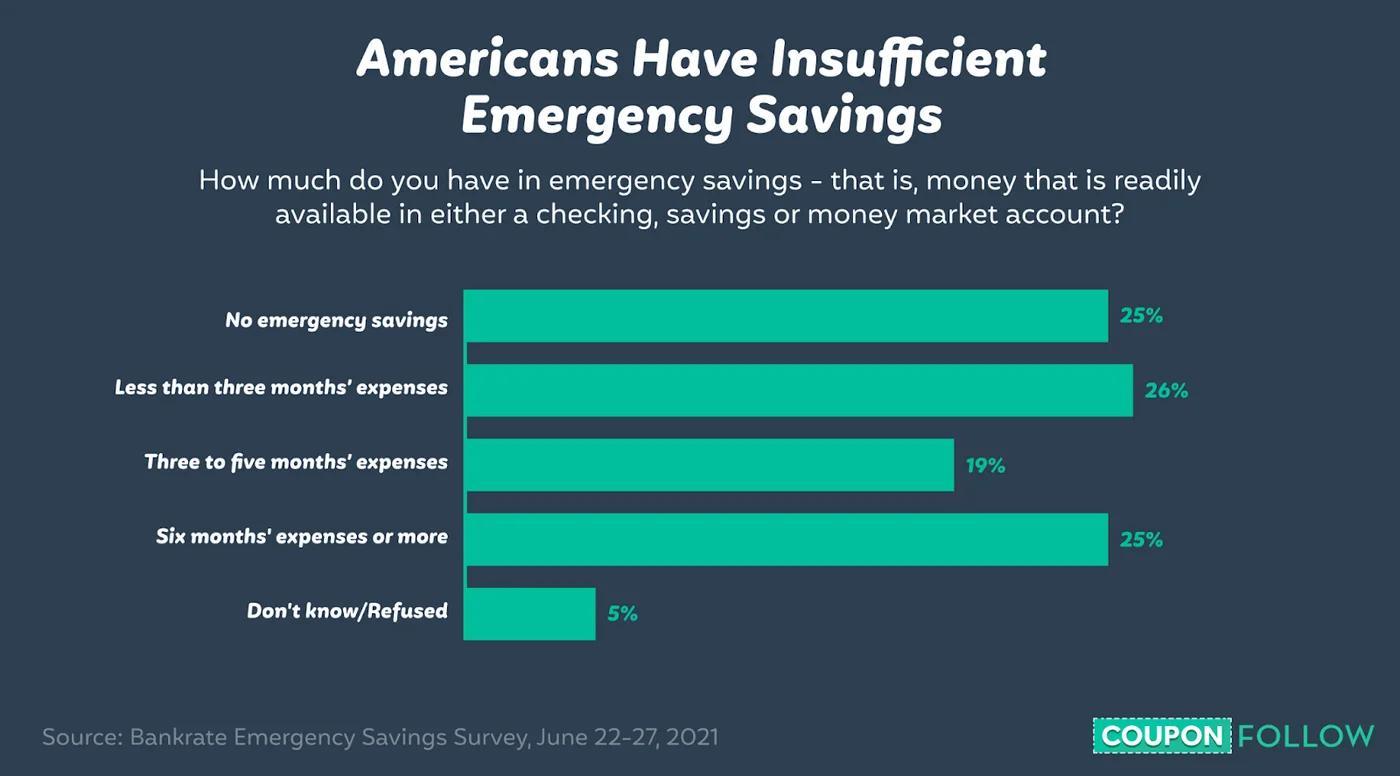
- Over half of U.S. shoppers (52%) could only cover expenses for 2 months or less if they lost their income. Gen Z (58%) is the most likely to say so.
- 29% of U.S. shoppers have withdrawn money from their savings in the past 6 months to cover everyday expenses.
- 69% of U.S. shoppers feel more financially anxious this year than they did last year, and nearly half (45%) feel unprepared for a potential recession.
Feeling Unprepared
Financial uncertainty is taking a toll on U.S. shoppers' sense of security. Many are feeling the pressure (both emotionally and practically) as they dip into savings, brace for income loss, and question their ability to weather a recession. Gen Z appears especially vulnerable, reporting the highest levels of financial anxiety and unpreparedness.
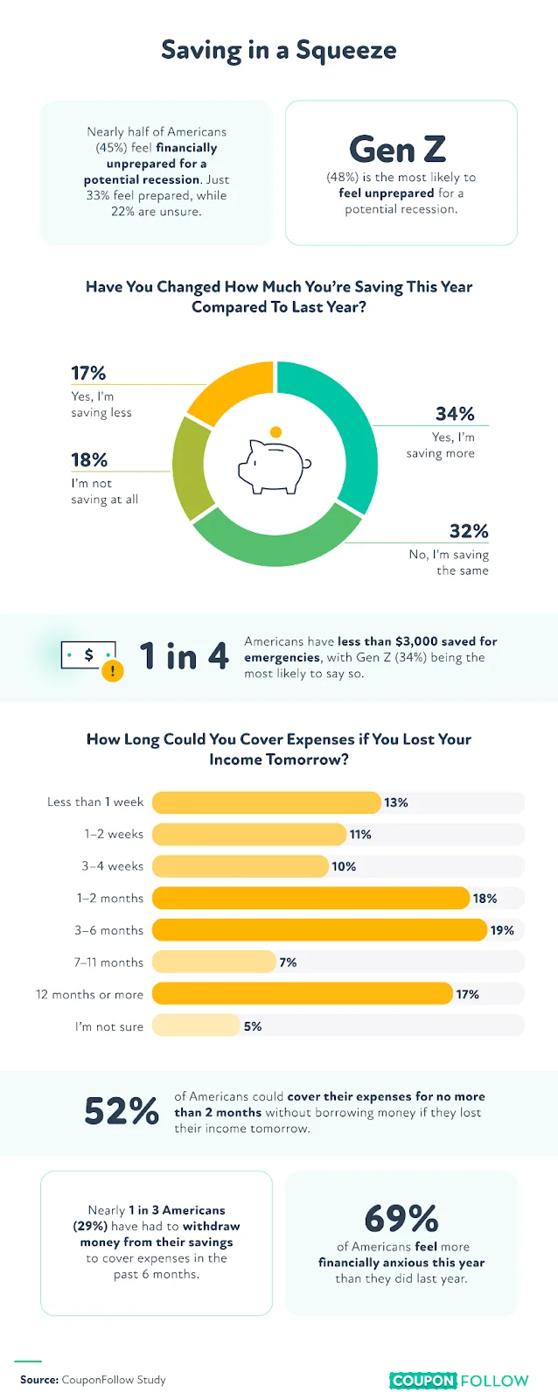
- 29% of U.S. shoppers have had to withdraw money from their savings in the past 6 months to cover everyday expenses. Those who had to do so by generation include:
- Gen Z: 28%
- Millennials: 28%
- Gen X: 33%
- Baby boomers: 21%
- 69% of U.S. shoppers feel more financially anxious this year than they did last year, and nearly half (45%) feel unprepared for a potential recession. Those feeling unprepared by generation include:
- Gen Z: 48%
- Millennials: 46%
- Gen X: 44%
- Baby boomers: 36%
- Over half of U.S. shoppers (52%) could only cover expenses for 2 months or less if they lost their income. Gen Z (58%) is the most likely to say so.
How U.S. shoppers Are Reacting to Recession Fears
As fears of a recession intensify, U.S. shoppers have started taking tangible steps to rein in spending. From swapping out name brands for generics to skipping eating out, people are adjusting their habits in real time.
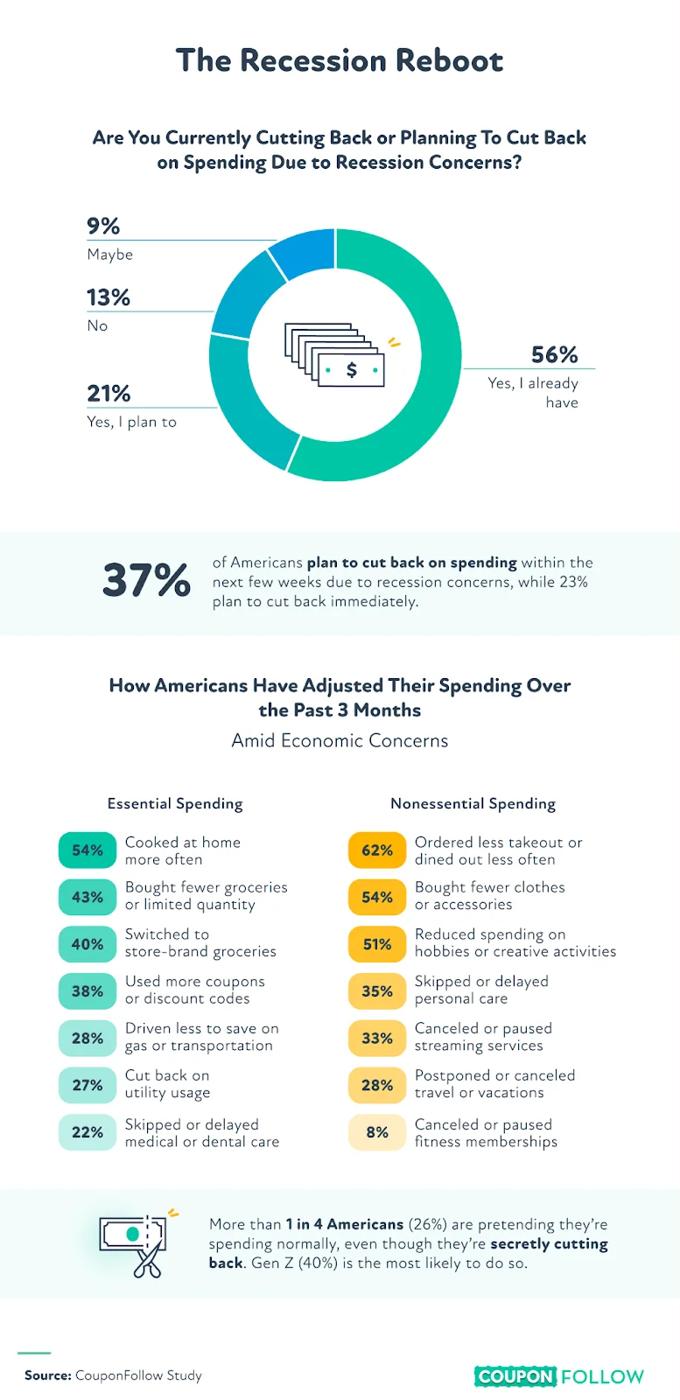
- Over half of U.S. shoppers (56%) have already started cutting back on spending because of recession concerns. By generation:
- Gen Z: 53%
- Millennials: 58%
- Gen X: 58%
- Baby boomers: 44%
- 43% of U.S. shoppers have bought fewer groceries or limited quantities of what they buy to spend less on essentials, 40% have switched to store-brand items, and 38% are applying coupons or discount codes more often.
- In the past 3 months, 1 in 10 U.S. shoppers have skipped credit card payments amid economic concerns, with Gen X (13%) and Gen Z (12%) being the most likely to have done so.
- Nearly 1 in 10 have delayed a home purchase.
- Over 1 in 16 have canceled or downgraded insurance policies.
- 1 in 16 have skipped student loan payments.
- About 1 in 4 U.S. shoppers (26%) are pretending to spend normally, even though they're cutting back. Gen Z (40%) is the most likely to do this, and they're also the most likely to be planning to cut expenses because of recession concerns (28%).
What U.S. shoppers Refuse To Cut
Even under financial strain, some expenses remain off-limits to personal budget cuts. From mental health care to pet essentials, U.S. shoppers are holding firm on orders that support their well-being or bring joy. Gen Z stands out for prioritizing emotional and personal needs, even when money is tight.
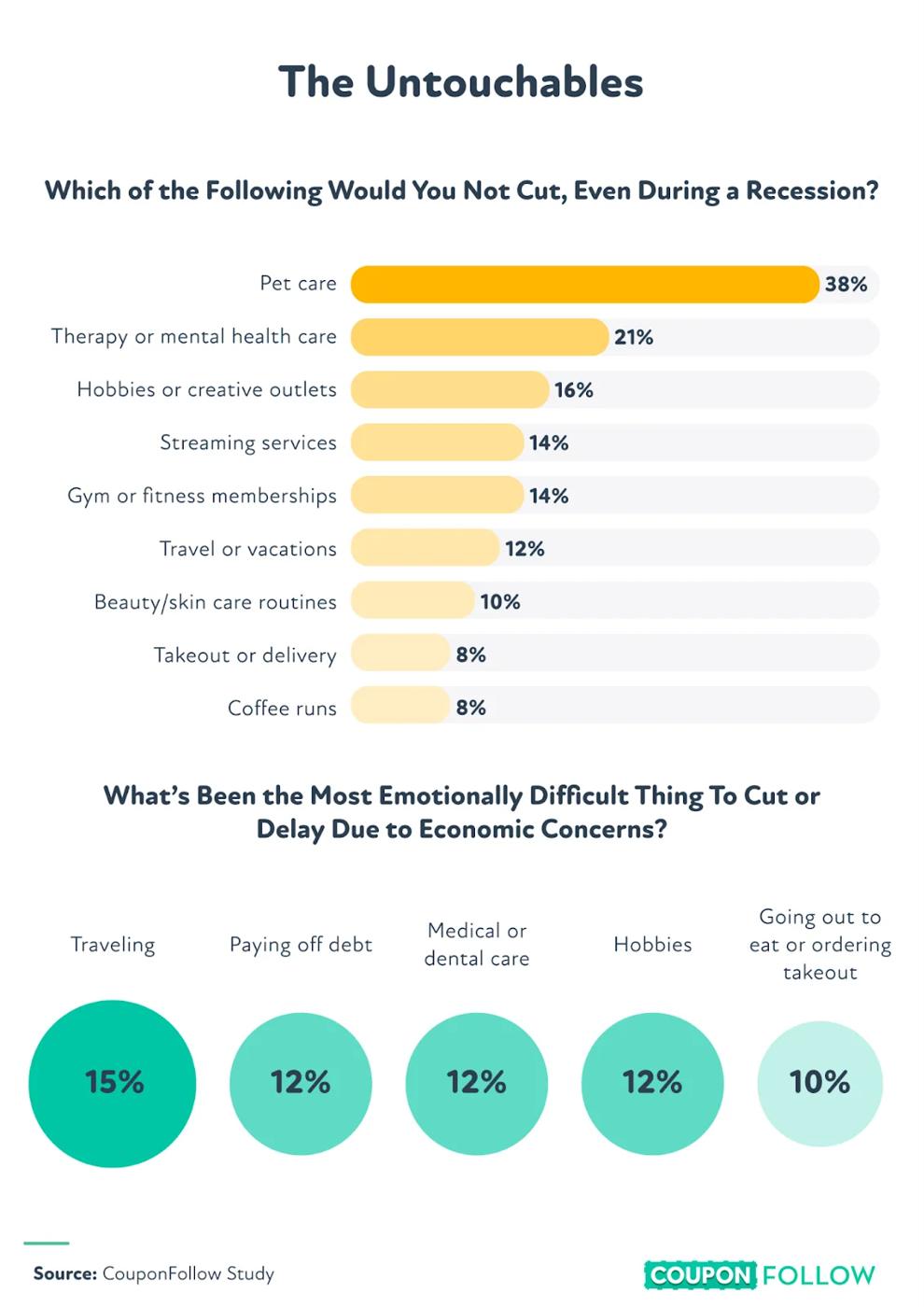
- During a recession, 27% of Gen Z wouldn't cut spending on therapy or mental health care, the highest of any generation. They also lead in refusing to cut fitness memberships (21%) and hobbies or creative outlets (21%).
- While pet care ranked highest across all generations, Gen Z (36%) was slightly less likely than older generations (baby boomers at 44%, Gen X at 43%) to list it as untouchable.
- 15% of Gen Z found cutting personal care (like nails, haircuts, and skin care) emotionally difficult—more than double the rate of Gen X (7%) and baby boomers (5%).
- Only 8% of Gen Z feel travel is the hardest thing to give up, compared to 18% of baby boomers and 17% of Gen X.
Even though travel is among the easier expenses for people to cut, many still want to enjoy low-priced experiences when they can. For those looking to save without sacrificing memorable activities, applying deal platforms can make a big difference. You can browse our extensive list of Viator coupons and deals to find current discounts on tours, excursions, and travel experiences, which can help you still enjoy meaningful trips without overspending.
Finding Stability in Uncertain Times
Despite rising financial anxiety, many U.S. shoppers are finding ways to adjust without giving up what matters most. Strategic choices like prioritizing essentials, choosing more low-priced alternatives, and seeking out discounts are helping people stay grounded. These habits show that even in tough times, it's possible to make thoughtful decisions that protect both your wallet and your well-being.
Methodology
We surveyed 1,004 U.S. shoppers to explore how they are responding to economic uncertainty in 2025. The generational breakdown is Gen Z (16%), millennials (52%), Gen X (25%), and baby boomers (8%). The data was collected in April 2025. Because of rounding, some percentages may not total 100 in this study.
Topics Groceries