Shopping
Leverage Point of Sale Data Analysis for Your Business
In this digital age, businesses enjoy the benefits of having multiple shopper touchpoints. They include social media, websites, e-commerce stores, and many more
However, many touchpoints can be problematic if the data is inconsistent and you find it hard to derive valuable insights from them.
As such, businesses need to narrow down a “source of truth,” which is ideally a reliable first-party source of data that you can trust.
And what better source than your legacy point of sale (POS) system?
Modern-day POS systems can be a gold mine for any business that collects and analyzes first-party data.
Along with revenue generated from sales, they offer insights that can help shape better business decisions and personalize marketing promotions.
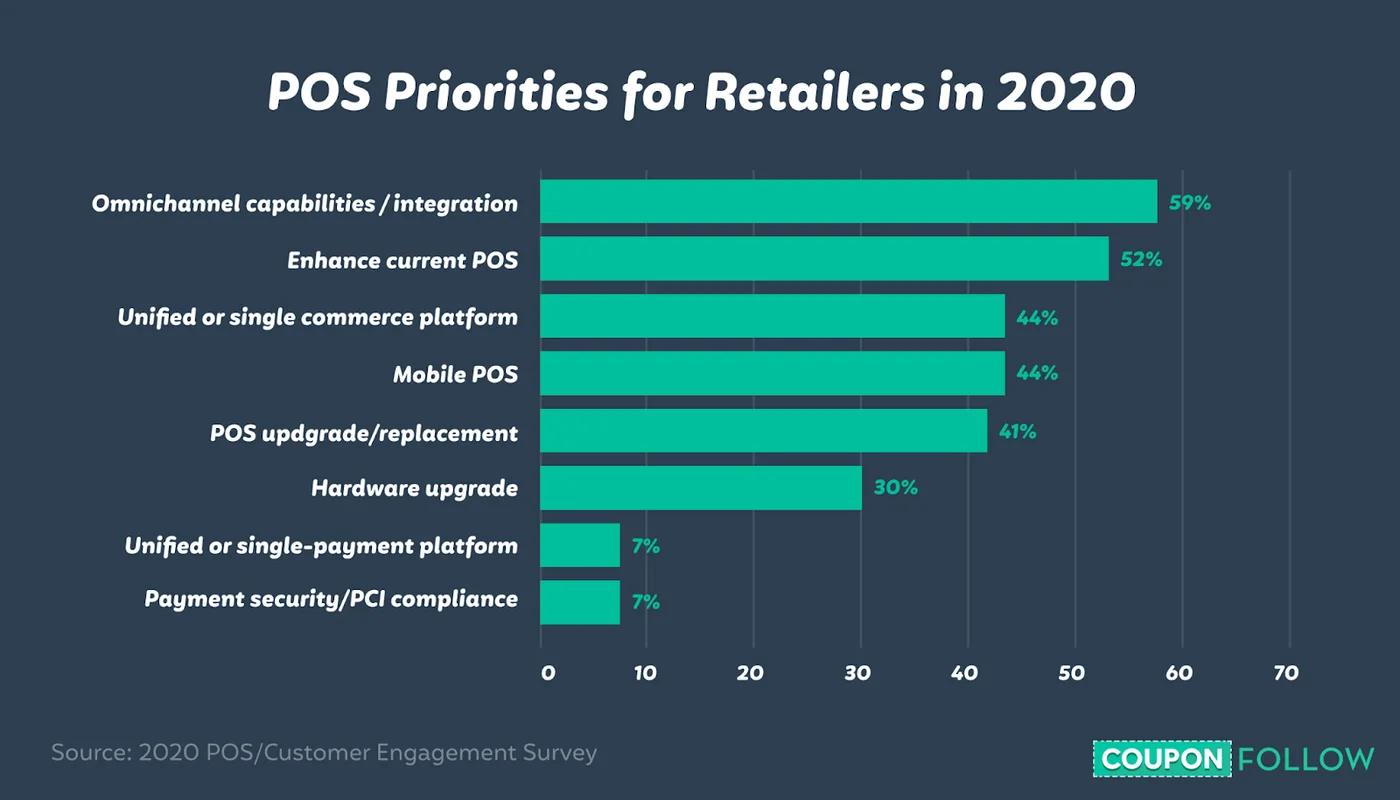
The industry is adapting to this, with the top priorities for retailers being to improve their omnichannel capabilities and enhance their existing POS systems.
This post will explain what point of sale data analysis is and why it’s becoming key in today’s business landscape.
Overview of POS data analysis
A POS system is at the heart of any retail business’s operations.
It’s the shoppers’ checkout point, and it collects details automatically. This includes shopper details, the type of item/service they purchased, and how much revenue is generated from the sale.
However, most of this data is raw and useless to your business. Some business owners aren't even aware that this details is offered. Many POS systems might even have to be configured to log and collect shopper data in this way.
Businesses can unlock a different level of visibility by leveraging POS data. It all follows the fundamentals of data analysis.
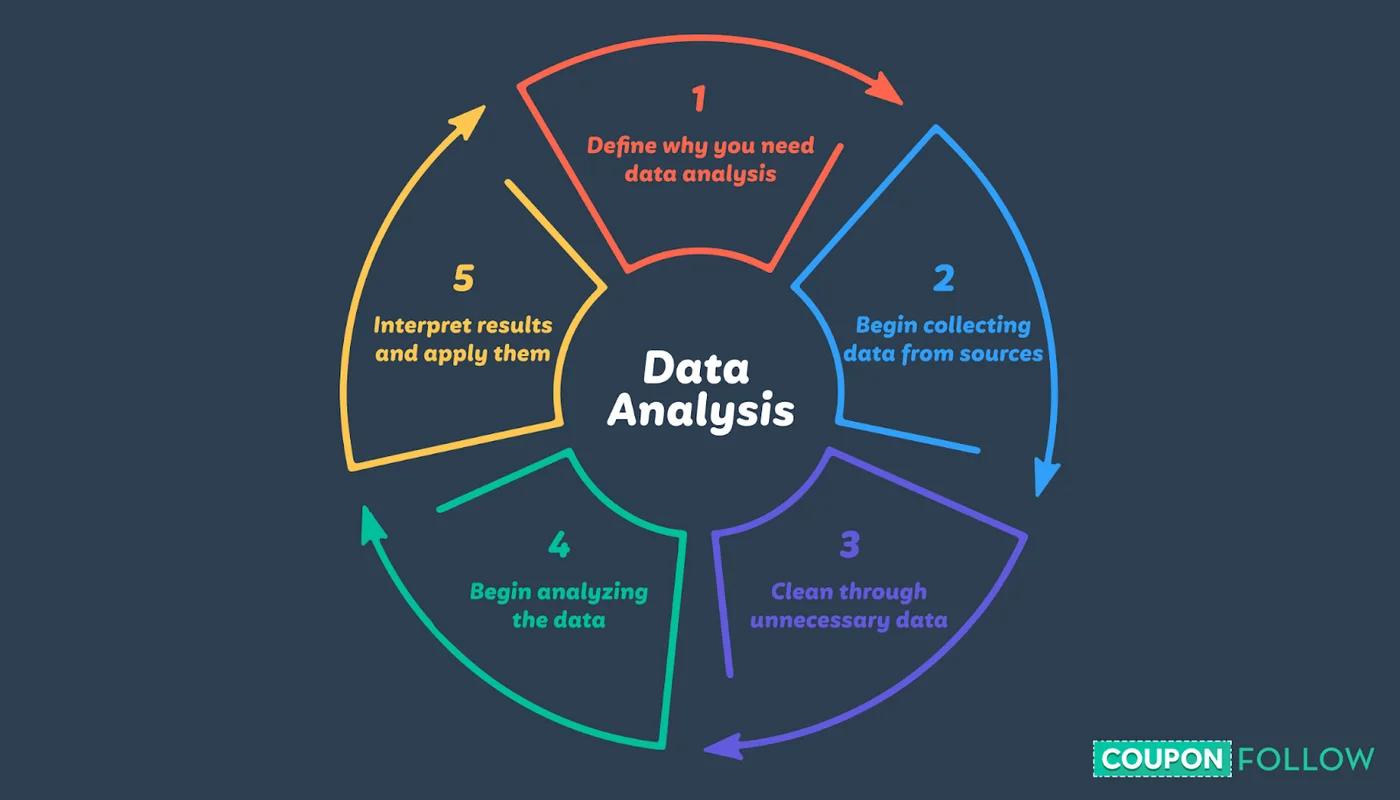
Your point of sale system is the collection point. It should be well equipped to collect the data you want to analyze. Remember, Garbage In Garbage Out. Any error at the starting point will give wrong insights at the end of the cycle.
Analyzing will be a breeze once you firm up all the collection points and determine that you are collecting the data you need. You'll get plenty of details and insights from the system and enjoy the benefits of having such an understanding of your business.
What types of data can a business get from a POS system?
POS data analysis can derive insight that speaks to different parts of your business. They include the following.
Inventory data
This details lets you know how much stock is offered. It also allows you to track how different commodities move, determine what's popular, and learn how much of each commodity you should stock.
Your POS system should automatically update stocks in real-time and show shoppers what’s unavailable. This is key for online stores, as it prevents shoppers from buying items that aren't offered in stock.
Staff can set alerts for minimum thresholds to give them enough time to restock before commodities run out to guarantee full availability to shoppers.
Additionally, they can identify slow-moving stock and avoid ordering too much. A POS with omnichannel capabilities can show how much of each stock is offered in your online and physical stores and facilitate transfer between the assorted locations if the need arises.
POS data analysis will give you plenty of visibility into your inventories and cross out inefficiencies like out-of-stock, deadstock, and manual stock-taking.
Item data
POS data analysis gives more insight into your items, at least from the way shoppers interact with them.
Item data can be classified into profit, cost, and sales.
Knowing the best selling items is just as key as knowing those that don’t sell.
From the item data analysis, you can dig deeper into shopper insights and find feedback that will help improve items.
Sales data
Your POS stores all purchase transactions data. That is the foundation of a detailed sales report.
With all details about completed transactions at your disposal, you can break down sales reports drawn from metrics like time, item type, shopper demographics, shopper source, promotion campaigns, and average order value.
At a high level, you'll view total sales per day and the total number of units sold for that period.
Sales data will show whether you’re meeting targets, both in the short and long term. Advanced sales trend analysis can identify opportunities and weaknesses, informing any changes that can fix issues before they become too big.
Shopper data
Any items and services that you sell to shoppers should help them solve an underlying problem. Businesses that understand their shoppers and their pain points will have an easier time delivering the best solutions for them.
Your POS system logs shopper details and can give you valuable insight into their traits and habits. Key pieces of details you can gather are names, addresses, email addresses, past orders, average order value, nationality, and lifetime value.
Such traits can be used to group shoppers into segments. You can then target those segments with personalized goods and services to best serve their needs. You can also use it to appreciate shopper loyalty. Try offering repeat shoppers coupons and other promotions.
Check out the top coupons offered today if you need inspiration for your promos.
Staff data
POS systems have profiles assigned to different staff members, with access levels that dictate their rights.
With every transaction tied to a specific user profile, you can know the performance of different staff members, depending on their role in closing a sale.
For instance, try giving your marketing team discount codes to help with shopper acquisition. You can then connect those codes to each team member and use POS data to check who had the most impact.
Employee ranking can also help you identify skill gaps and determine whether you need to plan for training that can upskill under-performing team members. It can even be used for staff motivation. Offer rewards to the best-performing team members in a specific period.
Benefits of POS data analysis to a business
POS data analysis isn't straightforward and requires both effort and resources to implement.
The benefits listed below show what a properly implemented POS data analysis system can offer your business.
Improved shopper experience
44.5% of organizations worldwide perceive shopper experience as a primary competitive differentiator, with 48.5% seeing it as a partial one. More importantly, 65% of U.S. consumers say that shopper experience plays a significant role in their buying decisions.
But how can you improve shopper experience without knowing what your shoppers want?
POS data analysis will give you insight into the consumer behaviors that briefing shopper experience enhancement initiatives.
A survey indicates that people over 65 are least likely to purchase goods and services over the internet. This can be attributed to challenges navigating complex user journeys, among others.
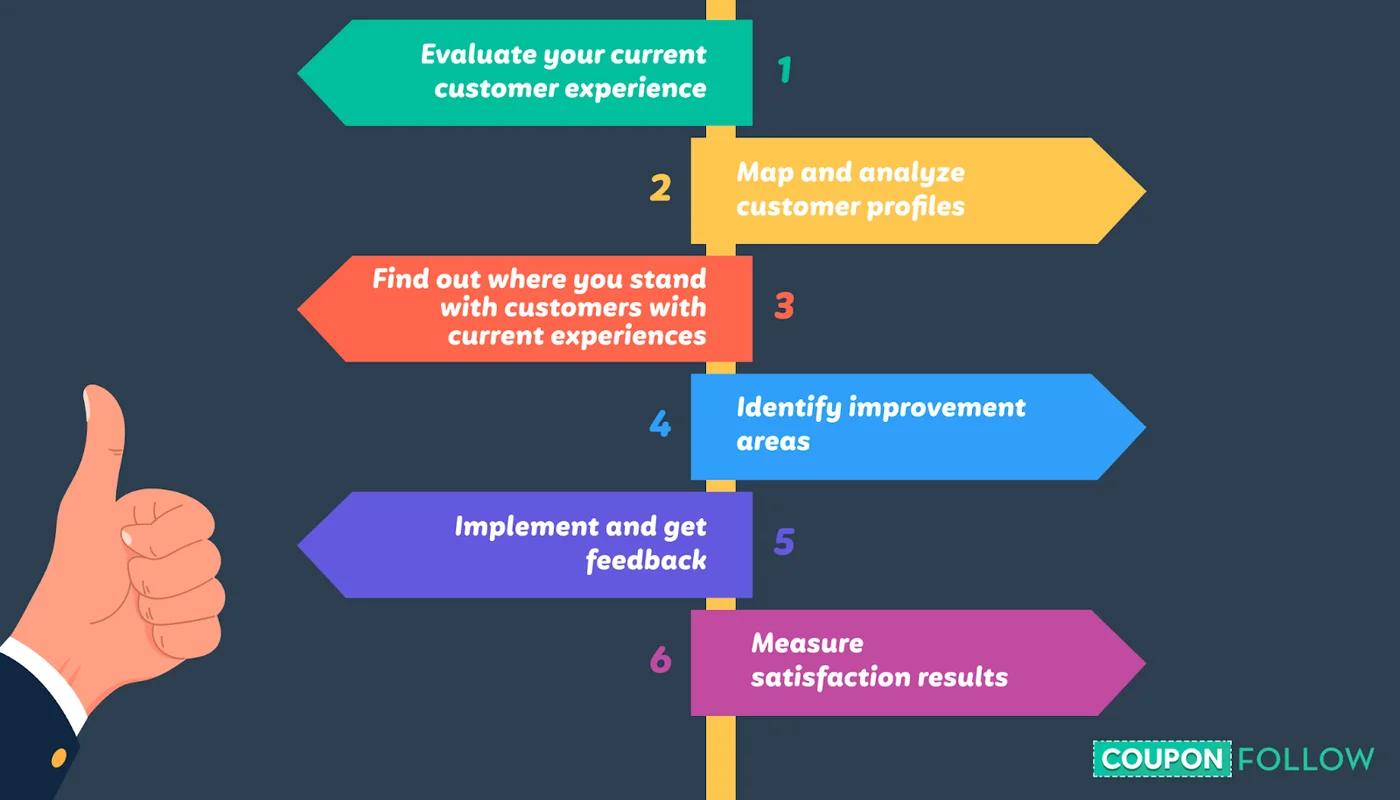
Applying POS data, you can determine the age of every shopper who bought specific items. It’s then possible to optimize their shopper journey to fit their age group. For instance, if seniors are buying certain items, you'll want to make the shopper journey simpler and better suited to them by focusing your efforts away from online sales.
Better shopper insight
POS data tells you a lot about the people who buy from you. This details can be fed back into your internal business processes to inform any change or improvement.
Shopper insight briefings crucial business steps, all the way from design and production to sales and after-sales.
Retailers that leverage shopper insights can achieve a 10x return on investment and a 1-2% increase in category sales uplift.
By combining POS data with insights from other sources, you can better understand what drives shoppers’ decisions. From here, you'll obtain actionable insights that will position your business as the desired choice for your target audience.
Amazon earns about 35% of its annual sales by analyzing shopper activity and recommending the best items for them drawn from these insights. This shows the power of shopper insight and how being proactive with it can be profitable.
Efficient inventory management
Inventory management is all about having enough items to meet demand and availing them when they’re needed.
There are three parts to it — the input (goods coming in), the storage (warehouses and stores), and the output (retail stores where shoppers make orders).
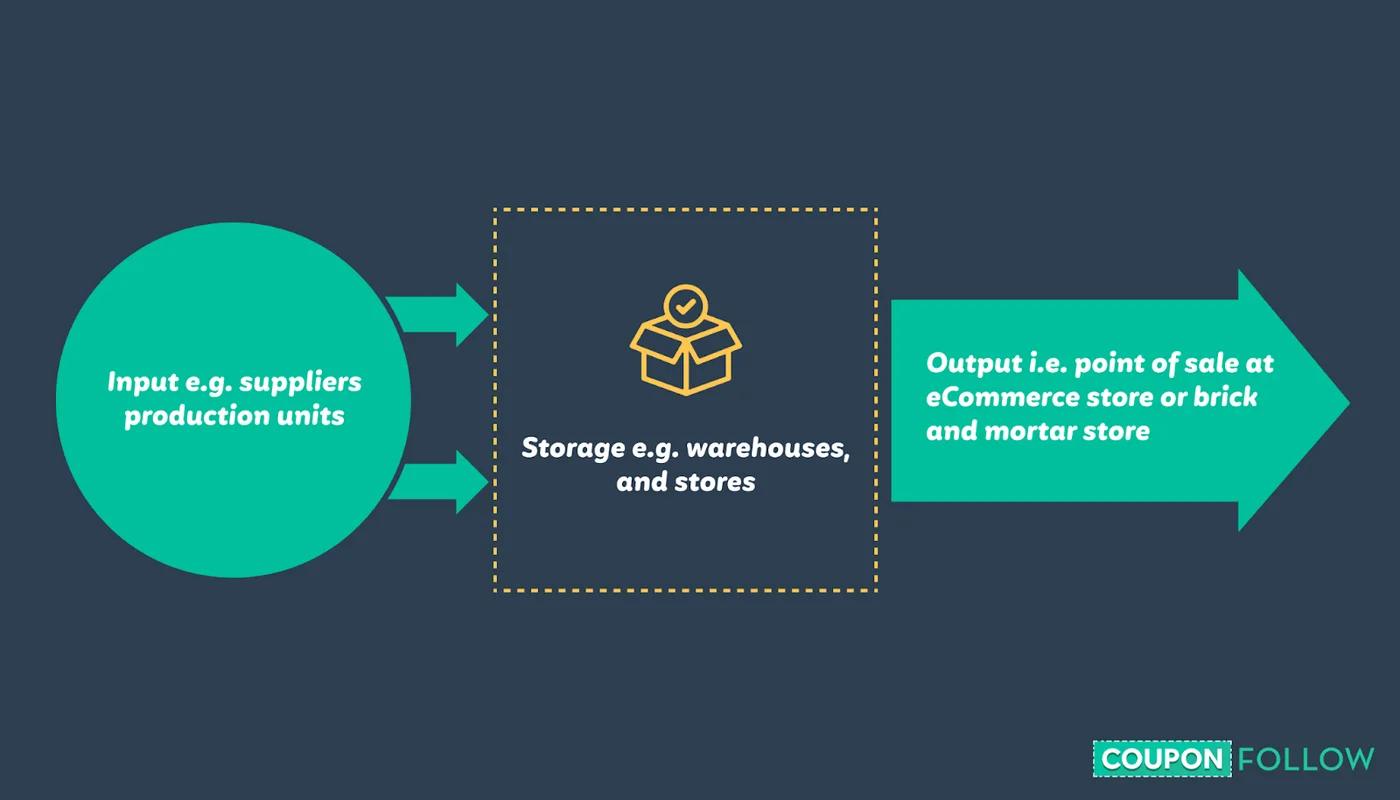
Your POS sits at the output, and data analysis here can improve the entire inventory management process. The POS system should have details about all the items in your inventory, including names, descriptions, categories, supply prices, retail prices, SKU numbers, and barcode numbers.
Whenever a sale is closed, it automatically updates the inventory levels. This reduces the need for manual inventory tracking and gives managers visibility of stock levels. As such, they can order stock in time, avail offers to move deadstock, and oversee the whole movement of commodities efficiently.
A recent survey indicated that 8% of businesses achieved cost savings from avoiding stockouts by automating inventory management applying data analysis. The image below highlights other benefits that you could see.
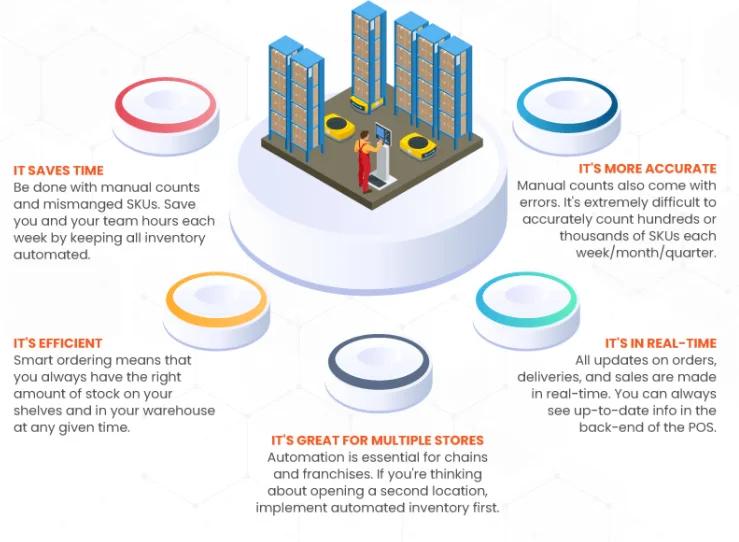
(Image source)
Insightful planning
A recent survey by business leaders in Europe and America indicates that two-thirds of businesses have implemented initiatives that will help them become data-driven organizations. Such a shift shows that businesses appreciate the significance of having data at the center of what they do, including strategic planning.
With POS data analysis, retail businesses can make decisions drawn from data and leverage automation and forecasting features to plan for the future.
As time passes, they can identify trends from the data to plan for peak periods, offer the right promotions to shoppers, and improve marketing campaigns. Shoppers want to spend less more than ever, so businesses have to make better strategic plans to convince them to buy.
Ways to enhance POS data analysis and analyze POS data
The benefits mentioned above don’t come automatically, and businesses have to take a few measures to firm up their POS data analysis. Poor data analysis will give incorrect insights that will mislead the business.
Here are some steps that you can take to improve POS data analysis.
Find the right POS system
The POS market is growing steadily and is expected to hit $42.5 billion by 2027. Advancements are being made in this industry, and many choices come with sophisticated data analytics capabilities.
If you’re still applying a traditional POS, it might not help with data analytics. As such, it's necessary to invest in the right system. This is the starting point of everything mentioned here.
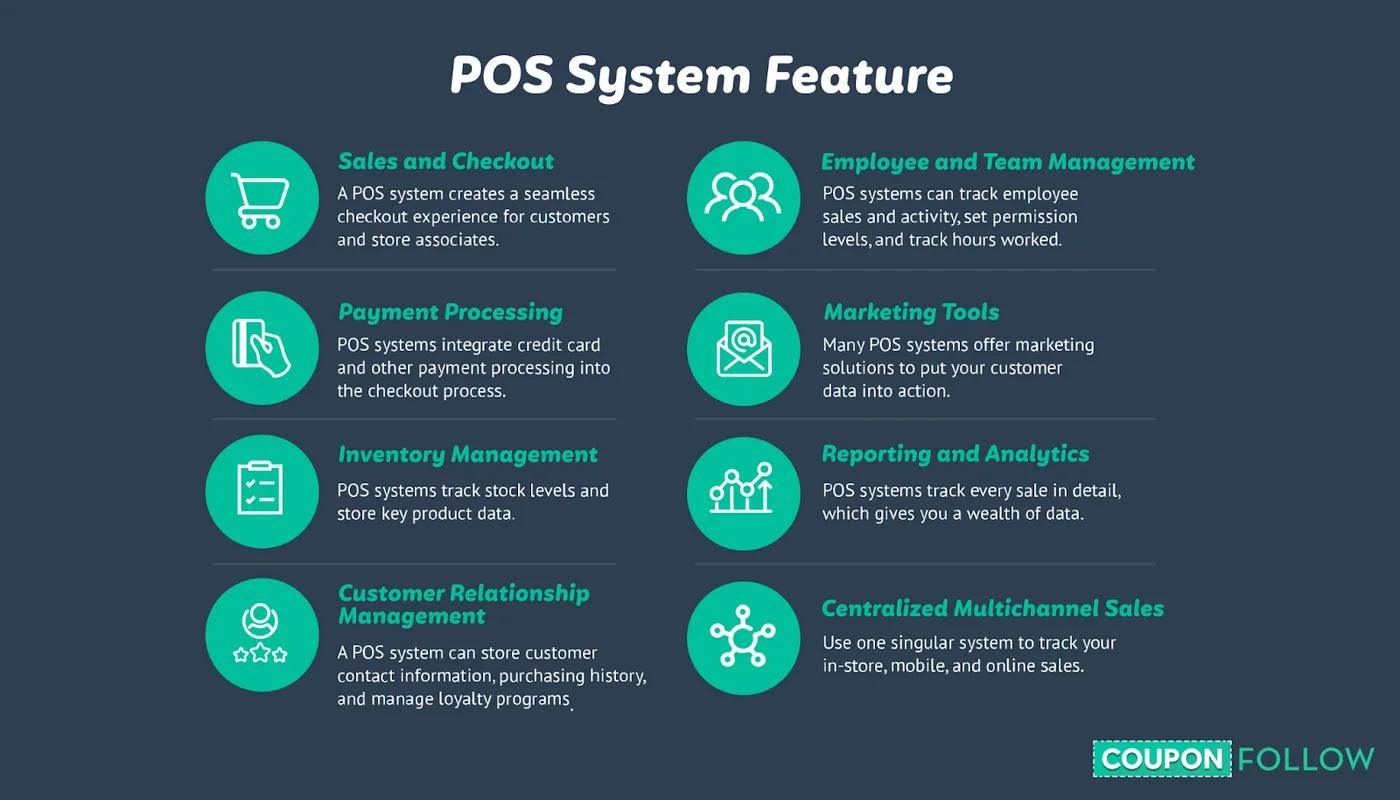
61% of retailers prefer buying POS software with analytics to understand shopper preferences. You don't want to be left behind. Lean toward systems with analytics and ease of integration to help you unify data from other touchpoints as well.
Aggregate your data
Don't consume POS data in isolation. It’s a reliable first-hand source, but secondary sources can always enrich it.
If you have other sources, aggregate them with what you’re getting from the POS to gather better insights. For instance, POS data might not show what shoppers say about certain commodities, and this details can be obtained from your social media pages.
Ensure that you have a clear connection point between POS data and other forms of data for improved analytics. This will help you eliminate silos in your organization.
Automate
Data analysis can be time-consuming if you do it manually. Additionally, human errors will happen and degrade the outcome of the whole exercise.
Avoid such pitfalls by automating a significant part of your POS data analysis. It'll be easier to derive insights and make business decisions.
Again, it all begins with the system you choose. Finding one that has provisions for creating custom dashboards and predictive modeling features will make things easier. Today, machine learning and artificial intelligence facilitate proactive data analysis, which does most of the work for you. There are multiple use cases in the retail industry, with varying priorities as highlighted by the results of a survey in the image below.
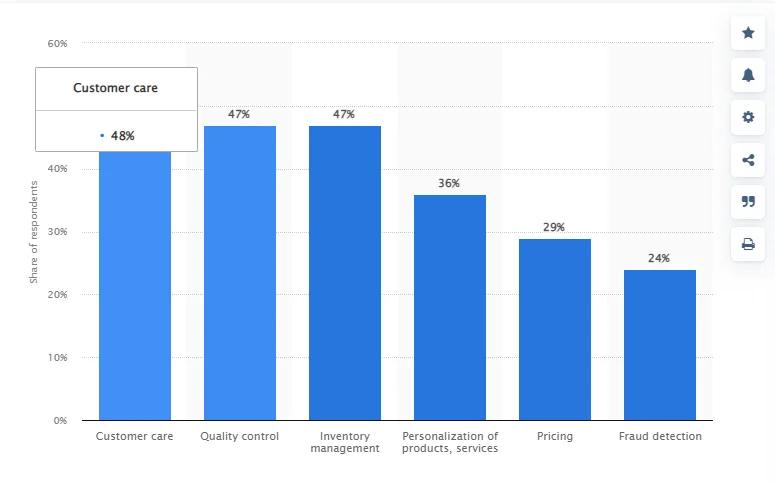
(Image Source)
Automation will simplify POS data analysis since all stakeholders can consume analyzed data without interacting with the raw data set. This will save you time and empower staff to work with insights without the need to have data analytics skills.
Conclusion
Ecommerce stores have a lot to gain from POS data analysis since they can track digital journeys and gather more insights than their brick-and-mortar counterparts.
However, businesses need to get the process right before they can enjoy the benefits of POS data analysis. Some may have to make significant investments to get the right infrastructure and personnel.
All this isn't in vain, as the benefits will give you a competitive edge and improve your proposition for shoppers.